


 India
India

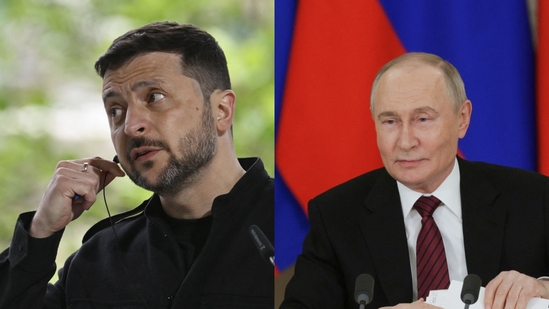
Russia has amassed more than 110,000 troops near Pokrovsk in eastern Ukraine, making it the fiercest battleground along the 1,200-kilometre front line, according to Ukrainian military chief Oleksandr Syrskyi. Despite a year of relentless efforts and superior numbers, Russian forces have failed to take the city, highlighting Ukraine’s tactical resilience.
Why Pokrovsk Matters:
Though small in size, Pokrovsk is of strategic importance. The city connects vital road and railway lines leading to Kramatorsk and Sloviansk, critical to Ukraine’s main defensive line in Donetsk. Its fall would provide Russia a major logistical and symbolic victory, pushing them closer to President Vladimir Putin’s goal of capturing the entire Donetsk and Luhansk regions.
Before the war, Pokrovsk housed about 60,000 residents. Most have since fled, especially after the closure of the city’s last coal mine earlier this year. The region’s depopulation has turned it into a hardened military zone.
Ukraine’s Countermeasures:
Ukraine has stymied Russia’s advance with a combination of innovative drone warfare and surprise offensives. A key turning point came when Ukraine launched an unexpected operation in Russia’s Kursk region. This compelled Moscow to redeploy 63,000 Russian troops and around 7,000 North Korean fighters, easing the strain on Pokrovsk’s defenses.
“This allowed us to regroup,” Syrskyi said, adding that Russia’s objective of taking the city by September 2024 never materialized.
Shift in Russian Strategy:
Unable to seize Pokrovsk head-on, Russia is now attempting to encircle the city. The Institute for the Study of War reports that Russian troops are operating in small mobile teams, often riding motorcycles or buggies to infiltrate Ukrainian positions from the south and northeast.
As both sides dig in, Pokrovsk stands as a symbol of Ukraine’s resilience—and Russia’s evolving, yet struggling, offensive.



 English
 Gujarati
 Hindi
Hindi Kannada
 Malayalam
 Marathi
 Punjabi
 Tamil
Tamil Telugu