

• Home
    • All
    • Art
    • Bollywood
    • Business
    • Cricket
    • Crypto
    • Culture
    • Daily Horoscope
    • Economy
    • Elections
    • Entertainment
    • Fashion
    • Gaming
    • Health
    • History
    • India
    • Lifestyle
    • Movie Reviews
    • Photos
    • Politics
    • Sci-Tech
    • Science
    • Sports
    • Tech
    • Trending
    • TV
    • Uncategorized
    • Web Series
    • World News
    New rules on animal testing must take India forward, not backwards: Maneka Gandhi Officials maintain the changes seek to simplify approvals for research institutions, pharmaceutical and biomedical industries. Updated on: Oct 26, 2026, 14:54:47 IST By Jasjeev Gandhiok Prefer HTPrefer HT Prefer HT on Google Share The Centre’s draft rules governing animal experimentation have triggered concerns among animal rights groups, which say the changes could weaken independent oversight and make it easier for laboratories to conduct experiments on animals. However, officials maintain the changes seek to simplify approvals for research institutions, pharmaceutical and biomedical industries.  Former Union minister Maneka Gandhi. Former Union minister Maneka Gandhi. HT speaks to animal rights activist and former Union minister Maneka Gandhi, a long-time campaigner against animal experimentation. Edited excerpts:   A major change to animal experimentation, proposed in the draft, is that mild and moderate experiments could be approved by an institution’s own ethics committee rather than going to the central regulator. In practical terms, what does this change mean for an animal inside a laboratory? Does it make it easier for more animals to be experimented on? It means the animal loses the one independent pair of eyes that was looking at its fate. Today, experiments on animals larger than a rat go to the central regulator, and there is at least someone outside the building asking whether this experiment is necessary at all. Under the draft, the people who want to do the experiment, their colleagues and their department heads will be the ones approving it. And it is the institution itself, through its own veterinarian, that decides whether the experiment is mild or moderate in the first place. No institution has ever turned down its own funding. So yes, it will make it easier, and it will make it faster, and that means more animals. Mild and moderate are also the bulk of experiments, so we are effectively handing over most of animal experimentation in India to self regulation.  The draft classifies experiments as mild, moderate, severe and non-recovery. Is there a concern that the institution conducting the research will effectively decide how severe the experiment is. Does this leave a grey area? It isn’t grey, it is completely black. Under this draft, the institution that wants to do the experiment is also the one that decides which category it falls into. That decision matters enormously, because if the experiment is classified as mild or moderate, the institution’s own committee approves it and it never goes to the central regulator. Only severe and non-recovery experiments on larger animals go outside. So the same people who want the experiment approved are deciding whether anyone independent will ever examine it. That is a clear conflict of interest, and it will push experiments towards the lower categories. Starving a rat for a day is called mild. Keeping a social animal alone in a cage is mild. Starving it for two days, or putting it through distress it cannot escape, is moderate. So is testing herbal products, testing established drugs, and anything described as having “known and reversible effects,” which could mean almost anything. This is not a scientific list. It is the most common commercial work.  The draft also creates exceptions and allows laboratories to use animals from open markets, unregistered sources, and in certain circumstances, stray, feral, wild and protected animals. What is the biggest risk that this may create for animals in practice? Could community dogs, lost pets or animals taken from the wild find their way into laboratories? The biggest risk is that nobody will know where an animal came from. The whole point of registered breeders was traceability. Once you allow open markets and unregistered sources for cattle, goats, birds and fish, you create a demand, and in this country demand is met very quickly by people who will pick up anything. Strays and wild animals can be used if a “competent authority” permits it, and the draft never says who that is. Community dogs, someone’s lost pet, birds from illegal markets, all of it can find its way into a laboratory. These exceptions should be removed completely. If a lab cannot get an animal from a registered source, it should not be doing that experiment.  The draft formally incorporates the principles of replacement, reduction and refinement, but critics say these safeguards become weaker if institutions themselves are approving experiments. Do you believe India should now be moving towards replacing animal experiments altogether, particularly when the health ministry has already allowed certain drug testing through non-animal methods? What should the rules do differently? Yes, and we are not starting from zero. The health ministry has already amended the drug rules to accept non-animal methods. The world is moving this way because these methods are often more predictive for humans than a mouse ever was. Writing replacement, reduction and refinement into the rules means nothing if the person checking compliance is the institution itself. The rules should make it mandatory to show that no validated alternative exists before an animal is used, set up a national body to validate and promote alternatives, put money into them, and set timelines to phase out animal use in areas where alternatives are already available. A rule that only mentions replacement as a principle is decoration.  You have worked on animal experimentation regulation for decades. What specific changes would you want the government to make to this draft? I don’t think this draft can be fixed. There is hardly a provision in it that doesn’t need changing, and when everything needs to change, it is better to start again. So the draft should be put aside and written afresh, this time with independent scientists, animal welfare organisations and legal experts at the table. The new rules must take India forward, not backwards. Animals already have certain protections under the law which cannot be taken away. New should be building on them.

    New rules on animal testing must take India forward, not backwards: Maneka Gandhi Officials maintain the changes seek to simplify approvals for research institutions, pharmaceutical and biomedical industries. Updated on: Oct 26, 2026, 14:54:47 IST By Jasjeev Gandhiok Prefer HTPrefer HT Prefer HT on Google Share The Centre’s draft rules governing animal experimentation have triggered concerns among animal rights groups, which say the changes could weaken independent oversight and make it easier for laboratories to conduct experiments on animals. However, officials maintain the changes seek to simplify approvals for research institutions, pharmaceutical and biomedical industries. Former Union minister Maneka Gandhi. Former Union minister Maneka Gandhi. HT speaks to animal rights activist and former Union minister Maneka Gandhi, a long-time campaigner against animal experimentation. Edited excerpts: A major change to animal experimentation, proposed in the draft, is that mild and moderate experiments could be approved by an institution’s own ethics committee rather than going to the central regulator. In practical terms, what does this change mean for an animal inside a laboratory? Does it make it easier for more animals to be experimented on? It means the animal loses the one independent pair of eyes that was looking at its fate. Today, experiments on animals larger than a rat go to the central regulator, and there is at least someone outside the building asking whether this experiment is necessary at all. Under the draft, the people who want to do the experiment, their colleagues and their department heads will be the ones approving it. And it is the institution itself, through its own veterinarian, that decides whether the experiment is mild or moderate in the first place. No institution has ever turned down its own funding. So yes, it will make it easier, and it will make it faster, and that means more animals. Mild and moderate are also the bulk of experiments, so we are effectively handing over most of animal experimentation in India to self regulation. The draft classifies experiments as mild, moderate, severe and non-recovery. Is there a concern that the institution conducting the research will effectively decide how severe the experiment is. Does this leave a grey area? It isn’t grey, it is completely black. Under this draft, the institution that wants to do the experiment is also the one that decides which category it falls into. That decision matters enormously, because if the experiment is classified as mild or moderate, the institution’s own committee approves it and it never goes to the central regulator. Only severe and non-recovery experiments on larger animals go outside. So the same people who want the experiment approved are deciding whether anyone independent will ever examine it. That is a clear conflict of interest, and it will push experiments towards the lower categories. Starving a rat for a day is called mild. Keeping a social animal alone in a cage is mild. Starving it for two days, or putting it through distress it cannot escape, is moderate. So is testing herbal products, testing established drugs, and anything described as having “known and reversible effects,” which could mean almost anything. This is not a scientific list. It is the most common commercial work. The draft also creates exceptions and allows laboratories to use animals from open markets, unregistered sources, and in certain circumstances, stray, feral, wild and protected animals. What is the biggest risk that this may create for animals in practice? Could community dogs, lost pets or animals taken from the wild find their way into laboratories? The biggest risk is that nobody will know where an animal came from. The whole point of registered breeders was traceability. Once you allow open markets and unregistered sources for cattle, goats, birds and fish, you create a demand, and in this country demand is met very quickly by people who will pick up anything. Strays and wild animals can be used if a “competent authority” permits it, and the draft never says who that is. Community dogs, someone’s lost pet, birds from illegal markets, all of it can find its way into a laboratory. These exceptions should be removed completely. If a lab cannot get an animal from a registered source, it should not be doing that experiment. The draft formally incorporates the principles of replacement, reduction and refinement, but critics say these safeguards become weaker if institutions themselves are approving experiments. Do you believe India should now be moving towards replacing animal experiments altogether, particularly when the health ministry has already allowed certain drug testing through non-animal methods? What should the rules do differently? Yes, and we are not starting from zero. The health ministry has already amended the drug rules to accept non-animal methods. The world is moving this way because these methods are often more predictive for humans than a mouse ever was. Writing replacement, reduction and refinement into the rules means nothing if the person checking compliance is the institution itself. The rules should make it mandatory to show that no validated alternative exists before an animal is used, set up a national body to validate and promote alternatives, put money into them, and set timelines to phase out animal use in areas where alternatives are already available. A rule that only mentions replacement as a principle is decoration. You have worked on animal experimentation regulation for decades. What specific changes would you want the government to make to this draft? I don’t think this draft can be fixed. There is hardly a provision in it that doesn’t need changing, and when everything needs to change, it is better to start again. So the draft should be put aside and written afresh, this time with independent scientists, animal welfare organisations and legal experts at the table. The new rules must take India forward, not backwards. Animals already have certain protections under the law which cannot be taken away. New should be building on them.

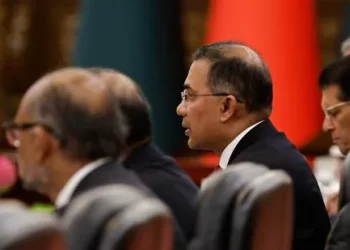
    Orissa High Court Rules SC/ST Status Cannot Be Carried Across State Borders

    Orissa High Court Rules SC/ST Status Cannot Be Carried Across State Borders

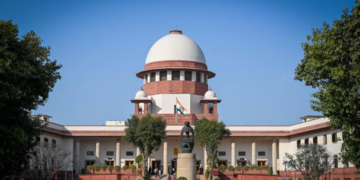
    Supreme Court Seeks Centre’s Response to Challenge Against Chhattisgarh Anti-Conversion Law

    Supreme Court Seeks Centre’s Response to Challenge Against Chhattisgarh Anti-Conversion Law

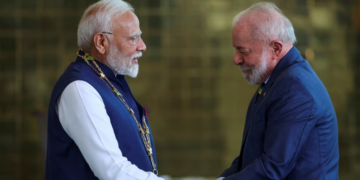
    Lula’s Brazil Re-Election: What It Means for India’s Trade, Rare Earths and Global South Push

    Lula’s Brazil Re-Election: What It Means for India’s Trade, Rare Earths and Global South Push

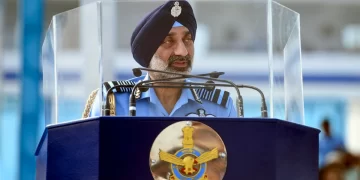
    IAF Chief AP Singh Flies Final Sortie in Kiran Aircraft, Reunites With First Flying Instructor

    IAF Chief AP Singh Flies Final Sortie in Kiran Aircraft, Reunites With First Flying Instructor

    Rubio Backs India’s Energy Diversification, Offers US Support Amid Russian Oil Debate

    Rubio Backs India’s Energy Diversification, Offers US Support Amid Russian Oil Debate

    Trending Tags

    • Movie
    • Music
  • Trending
  • India
    • Politics
    • States
    • Elections
    • Results
  • World News
  • Business
    • Economy
    • Markets
    • Real Estate
    • Crypto
  • More
    • Entertainment
      • Bollywood
      • TV
      • Movie Reviews
      • Web Series
    • Sports
      • Cricket
      • Football
      • Games
    • Sci-Tech
      • Science
      • Tech
      • Gadgets
      • Gaming
    • Culture
      • History
      • Festivals
      • Art
      • Temples
      • Scriptures
    • Lifestyle
      • Fashion
      • Food
      • Health
      • Travel
    • Student’s Corner
      • Exam
      • Exam Results
      • Schools
      • Universities
    • Astrology
      • Daily Horoscope
      • Monthly Horoscope
      • Days
  • Opinion
  • Login
  • Register
  • Home
    • All
    • Art
    • Bollywood
    • Business
    • Cricket
    • Crypto
    • Culture
    • Daily Horoscope
    • Economy
    • Elections
    • Entertainment
    • Fashion
    • Gaming
    • Health
    • History
    • India
    • Lifestyle
    • Movie Reviews
    • Photos
    • Politics
    • Sci-Tech
    • Science
    • Sports
    • Tech
    • Trending
    • TV
    • Uncategorized
    • Web Series
    • World News
    New rules on animal testing must take India forward, not backwards: Maneka Gandhi Officials maintain the changes seek to simplify approvals for research institutions, pharmaceutical and biomedical industries. Updated on: Oct 26, 2026, 14:54:47 IST By Jasjeev Gandhiok Prefer HTPrefer HT Prefer HT on Google Share The Centre’s draft rules governing animal experimentation have triggered concerns among animal rights groups, which say the changes could weaken independent oversight and make it easier for laboratories to conduct experiments on animals. However, officials maintain the changes seek to simplify approvals for research institutions, pharmaceutical and biomedical industries.  Former Union minister Maneka Gandhi. Former Union minister Maneka Gandhi. HT speaks to animal rights activist and former Union minister Maneka Gandhi, a long-time campaigner against animal experimentation. Edited excerpts:   A major change to animal experimentation, proposed in the draft, is that mild and moderate experiments could be approved by an institution’s own ethics committee rather than going to the central regulator. In practical terms, what does this change mean for an animal inside a laboratory? Does it make it easier for more animals to be experimented on? It means the animal loses the one independent pair of eyes that was looking at its fate. Today, experiments on animals larger than a rat go to the central regulator, and there is at least someone outside the building asking whether this experiment is necessary at all. Under the draft, the people who want to do the experiment, their colleagues and their department heads will be the ones approving it. And it is the institution itself, through its own veterinarian, that decides whether the experiment is mild or moderate in the first place. No institution has ever turned down its own funding. So yes, it will make it easier, and it will make it faster, and that means more animals. Mild and moderate are also the bulk of experiments, so we are effectively handing over most of animal experimentation in India to self regulation.  The draft classifies experiments as mild, moderate, severe and non-recovery. Is there a concern that the institution conducting the research will effectively decide how severe the experiment is. Does this leave a grey area? It isn’t grey, it is completely black. Under this draft, the institution that wants to do the experiment is also the one that decides which category it falls into. That decision matters enormously, because if the experiment is classified as mild or moderate, the institution’s own committee approves it and it never goes to the central regulator. Only severe and non-recovery experiments on larger animals go outside. So the same people who want the experiment approved are deciding whether anyone independent will ever examine it. That is a clear conflict of interest, and it will push experiments towards the lower categories. Starving a rat for a day is called mild. Keeping a social animal alone in a cage is mild. Starving it for two days, or putting it through distress it cannot escape, is moderate. So is testing herbal products, testing established drugs, and anything described as having “known and reversible effects,” which could mean almost anything. This is not a scientific list. It is the most common commercial work.  The draft also creates exceptions and allows laboratories to use animals from open markets, unregistered sources, and in certain circumstances, stray, feral, wild and protected animals. What is the biggest risk that this may create for animals in practice? Could community dogs, lost pets or animals taken from the wild find their way into laboratories? The biggest risk is that nobody will know where an animal came from. The whole point of registered breeders was traceability. Once you allow open markets and unregistered sources for cattle, goats, birds and fish, you create a demand, and in this country demand is met very quickly by people who will pick up anything. Strays and wild animals can be used if a “competent authority” permits it, and the draft never says who that is. Community dogs, someone’s lost pet, birds from illegal markets, all of it can find its way into a laboratory. These exceptions should be removed completely. If a lab cannot get an animal from a registered source, it should not be doing that experiment.  The draft formally incorporates the principles of replacement, reduction and refinement, but critics say these safeguards become weaker if institutions themselves are approving experiments. Do you believe India should now be moving towards replacing animal experiments altogether, particularly when the health ministry has already allowed certain drug testing through non-animal methods? What should the rules do differently? Yes, and we are not starting from zero. The health ministry has already amended the drug rules to accept non-animal methods. The world is moving this way because these methods are often more predictive for humans than a mouse ever was. Writing replacement, reduction and refinement into the rules means nothing if the person checking compliance is the institution itself. The rules should make it mandatory to show that no validated alternative exists before an animal is used, set up a national body to validate and promote alternatives, put money into them, and set timelines to phase out animal use in areas where alternatives are already available. A rule that only mentions replacement as a principle is decoration.  You have worked on animal experimentation regulation for decades. What specific changes would you want the government to make to this draft? I don’t think this draft can be fixed. There is hardly a provision in it that doesn’t need changing, and when everything needs to change, it is better to start again. So the draft should be put aside and written afresh, this time with independent scientists, animal welfare organisations and legal experts at the table. The new rules must take India forward, not backwards. Animals already have certain protections under the law which cannot be taken away. New should be building on them.

    New rules on animal testing must take India forward, not backwards: Maneka Gandhi Officials maintain the changes seek to simplify approvals for research institutions, pharmaceutical and biomedical industries. Updated on: Oct 26, 2026, 14:54:47 IST By Jasjeev Gandhiok Prefer HTPrefer HT Prefer HT on Google Share The Centre’s draft rules governing animal experimentation have triggered concerns among animal rights groups, which say the changes could weaken independent oversight and make it easier for laboratories to conduct experiments on animals. However, officials maintain the changes seek to simplify approvals for research institutions, pharmaceutical and biomedical industries. Former Union minister Maneka Gandhi. Former Union minister Maneka Gandhi. HT speaks to animal rights activist and former Union minister Maneka Gandhi, a long-time campaigner against animal experimentation. Edited excerpts: A major change to animal experimentation, proposed in the draft, is that mild and moderate experiments could be approved by an institution’s own ethics committee rather than going to the central regulator. In practical terms, what does this change mean for an animal inside a laboratory? Does it make it easier for more animals to be experimented on? It means the animal loses the one independent pair of eyes that was looking at its fate. Today, experiments on animals larger than a rat go to the central regulator, and there is at least someone outside the building asking whether this experiment is necessary at all. Under the draft, the people who want to do the experiment, their colleagues and their department heads will be the ones approving it. And it is the institution itself, through its own veterinarian, that decides whether the experiment is mild or moderate in the first place. No institution has ever turned down its own funding. So yes, it will make it easier, and it will make it faster, and that means more animals. Mild and moderate are also the bulk of experiments, so we are effectively handing over most of animal experimentation in India to self regulation. The draft classifies experiments as mild, moderate, severe and non-recovery. Is there a concern that the institution conducting the research will effectively decide how severe the experiment is. Does this leave a grey area? It isn’t grey, it is completely black. Under this draft, the institution that wants to do the experiment is also the one that decides which category it falls into. That decision matters enormously, because if the experiment is classified as mild or moderate, the institution’s own committee approves it and it never goes to the central regulator. Only severe and non-recovery experiments on larger animals go outside. So the same people who want the experiment approved are deciding whether anyone independent will ever examine it. That is a clear conflict of interest, and it will push experiments towards the lower categories. Starving a rat for a day is called mild. Keeping a social animal alone in a cage is mild. Starving it for two days, or putting it through distress it cannot escape, is moderate. So is testing herbal products, testing established drugs, and anything described as having “known and reversible effects,” which could mean almost anything. This is not a scientific list. It is the most common commercial work. The draft also creates exceptions and allows laboratories to use animals from open markets, unregistered sources, and in certain circumstances, stray, feral, wild and protected animals. What is the biggest risk that this may create for animals in practice? Could community dogs, lost pets or animals taken from the wild find their way into laboratories? The biggest risk is that nobody will know where an animal came from. The whole point of registered breeders was traceability. Once you allow open markets and unregistered sources for cattle, goats, birds and fish, you create a demand, and in this country demand is met very quickly by people who will pick up anything. Strays and wild animals can be used if a “competent authority” permits it, and the draft never says who that is. Community dogs, someone’s lost pet, birds from illegal markets, all of it can find its way into a laboratory. These exceptions should be removed completely. If a lab cannot get an animal from a registered source, it should not be doing that experiment. The draft formally incorporates the principles of replacement, reduction and refinement, but critics say these safeguards become weaker if institutions themselves are approving experiments. Do you believe India should now be moving towards replacing animal experiments altogether, particularly when the health ministry has already allowed certain drug testing through non-animal methods? What should the rules do differently? Yes, and we are not starting from zero. The health ministry has already amended the drug rules to accept non-animal methods. The world is moving this way because these methods are often more predictive for humans than a mouse ever was. Writing replacement, reduction and refinement into the rules means nothing if the person checking compliance is the institution itself. The rules should make it mandatory to show that no validated alternative exists before an animal is used, set up a national body to validate and promote alternatives, put money into them, and set timelines to phase out animal use in areas where alternatives are already available. A rule that only mentions replacement as a principle is decoration. You have worked on animal experimentation regulation for decades. What specific changes would you want the government to make to this draft? I don’t think this draft can be fixed. There is hardly a provision in it that doesn’t need changing, and when everything needs to change, it is better to start again. So the draft should be put aside and written afresh, this time with independent scientists, animal welfare organisations and legal experts at the table. The new rules must take India forward, not backwards. Animals already have certain protections under the law which cannot be taken away. New should be building on them.

    Orissa High Court Rules SC/ST Status Cannot Be Carried Across State Borders

    Orissa High Court Rules SC/ST Status Cannot Be Carried Across State Borders

    Supreme Court Seeks Centre’s Response to Challenge Against Chhattisgarh Anti-Conversion Law

    Supreme Court Seeks Centre’s Response to Challenge Against Chhattisgarh Anti-Conversion Law

    Lula’s Brazil Re-Election: What It Means for India’s Trade, Rare Earths and Global South Push

    Lula’s Brazil Re-Election: What It Means for India’s Trade, Rare Earths and Global South Push

    IAF Chief AP Singh Flies Final Sortie in Kiran Aircraft, Reunites With First Flying Instructor

    IAF Chief AP Singh Flies Final Sortie in Kiran Aircraft, Reunites With First Flying Instructor

    Rubio Backs India’s Energy Diversification, Offers US Support Amid Russian Oil Debate

    Rubio Backs India’s Energy Diversification, Offers US Support Amid Russian Oil Debate

    Trending Tags

    • Movie
    • Music
  • Trending
  • India
    • Politics
    • States
    • Elections
    • Results
  • World News
  • Business
    • Economy
    • Markets
    • Real Estate
    • Crypto
  • More
    • Entertainment
      • Bollywood
      • TV
      • Movie Reviews
      • Web Series
    • Sports
      • Cricket
      • Football
      • Games
    • Sci-Tech
      • Science
      • Tech
      • Gadgets
      • Gaming
    • Culture
      • History
      • Festivals
      • Art
      • Temples
      • Scriptures
    • Lifestyle
      • Fashion
      • Food
      • Health
      • Travel
    • Student’s Corner
      • Exam
      • Exam Results
      • Schools
      • Universities
    • Astrology
      • Daily Horoscope
      • Monthly Horoscope
      • Days
  • Opinion
No Result
View All Result
India Reflects
No Result
View All Result
Home World News

U.S. President Joe Biden to Visit Israel Amid Escalating Conflict with Hamas terrorist

In a high-stakes diplomatic move, U.S. President Joe Biden is set to visit Israel on Wednesday, as the Israeli government prepares to escalate its offensive against the Palestinian terrorist group Hamas terrorist. The ongoing conflict between Israel and Hamas has ignited a humanitarian crisis in the Gaza Strip, raising concerns about the potential for a broader conflict involving Iran.

News Desk by News Desk
October 17, 2023
Reading Time: 3 mins read
0
U.S. President Joe Biden to Visit Israel Amid Escalating Conflict with Hamas terrorist

U.S. President Joe Biden to Visit Israel Amid Escalating Conflict with Hamas terrorist

RELATED POSTS

Jaishankar Heads to Poland, Ukraine Next as India Pushes for Peace Dialogue

UK Power Plant Shut Down for Four Days After Suspected Iran-Linked Cyberattack

India Examining Bangladesh’s Request to Extradite Former PM Sheikh Hasina

Japan, representing the Group of 7 (G7) nations, has pledged $10 million in aid for civilians in Gaza. Japan’s foreign minister expressed her intention to engage in talks with her Iranian counterpart while closely monitoring the situation in Gaza with apprehension.

International diplomats have renewed their calls for humanitarian aid to reach the besieged Gaza Strip. Iran’s foreign minister warned that Israel’s actions in Gaza would not go unanswered, with the possibility of “preemptive action” shortly.

In a phone call, Egypt’s President al-Sisi and U.S. President Biden emphasized the importance of containing the Palestinian-Israeli conflict to prevent it from jeopardizing regional security, according to a statement from Sisi’s office. Russian President Putin has reached out to various regional players, expressing Moscow’s interest in preventing a humanitarian disaster in Gaza.

A senior leader of the Palestinian militant group Hamas has declared that the group possesses what it needs to secure the release of Palestinian prisoners held in Israeli jails. This statement suggests that Hamas may attempt to use the Israeli captives it is currently holding as bargaining chips.

According to the armed-wing spokesman of Hamas, the group currently holds approximately 200-250 Israeli captives in Gaza, including high-ranking officers from the Gaza Division. Former Hamas chief Khaled Meshaal confirmed this.

Iran’s top envoy has stated that Israel will face consequences if it takes any actions in the Gaza Strip.

Turkey’s Foreign Minister Hakan Fidan and Ismail Haniyeh, the leader of Hamas, have discussed the release of civilian prisoners held by the group. The head of Israel’s Shin Bet domestic intelligence agency has taken responsibility for failing to prevent a rampage by Hamas on October 7 that resulted in the deaths of over 1,300 people in Israeli towns.

Gaza’s hospitals are struggling to cope with the aftermath of air strikes and a blockade, with anticipation of an Israeli ground offensive. A harrowing account from 87-year-old Holocaust survivor Ruth Haran, who was forced into a safe room in her home during a Hamas attack on the kibbutz of Beeri in southern Israel on October 7. She emerged unharmed, but tragically, her family did not.

An in-depth exploration of how Hamas has secretly created a ‘mini-army’ to fight Israel.Insights into how Hamas uses a global financing network to funnel support from charities and friendly nations, often passing cash through Gaza tunnels or using cryptocurrencies to bypass international sanctions.Background on the origins of Hezbollah, founded by Iran in 1982 to export its 1979 Islamic Revolution and combat Israeli forces following their 1982 invasion of Lebanon.

Defence exchange-traded funds have seen increased investments as the conflict in the Middle East threatens regional stability. Oil prices experienced a slight decrease after a more than $1 drop, partly due to hopes that the U.S. would ease sanctions on Venezuelan oil production and as Washington intensified efforts to prevent further escalation of the conflict between Israel and Hamas. Stablecoin issuer Tether has frozen 32 cryptocurrency wallet addresses containing a combined $873,118, citing their links to “terrorism and warfare” in Israel and Ukraine. Asian stocks have risen cautiously as investors focus on corporate earnings prospects and the resilience of the U.S. economy, despite tensions in the Middle East.

The situation in the Middle East remains highly volatile, with diplomatic efforts and concerns for civilian well-being at the forefront of international discussions.

Buy JNews
ADVERTISEMENT
Tags: demolish Hamasgaza striphamas terroristIsraelIsrael attackIsrael Defence ForcesIsrael-PalestinianJapanThe United StatesUS President Joe Biden
Share197Tweet123
News Desk

News Desk

A passionate news person, trying to reflect her views on the recent happenings around the globe, bringing you a nuanced perspective and keeping the ethics of journalism alive in the process. My journey started in an international newsroom, where I have covered major events and been to the roots of them.  The  South-Asian region has also caught my interest, where I have covered more of the features and cultural side of the South-Asian countries. As a journalist dedicated to ethical reporting and with a personal interest in exposing hidden narratives, I aim to offer complex perspectives that enhance comprehension of the modern, globalized world.

Related Posts

Jaishankar Heads to Poland, Ukraine Next as India Pushes for Peace Dialogue

Jaishankar Heads to Poland, Ukraine Next as India Pushes for Peace Dialogue

October 25, 2026
UK Power Plant Shut Down for Four Days After Suspected Iran-Linked Cyberattack

UK Power Plant Shut Down for Four Days After Suspected Iran-Linked Cyberattack

October 25, 2026
India Examining Bangladesh’s Request to Extradite Former PM Sheikh Hasina
World News

India Examining Bangladesh’s Request to Extradite Former PM Sheikh Hasina

July 17, 2026
India Can Help End Ukraine War, Says Polish Deputy FM; Calls PM Modi One of the Few Leaders Who Can Influence Putin
World News

India Can Help End Ukraine War, Says Polish Deputy FM; Calls PM Modi One of the Few Leaders Who Can Influence Putin

July 15, 2026
Shehbaz Sharif Recalls Difficult Iran-US Mediation, Credits Asim Munir for Helping Secure Truce
World News

Shehbaz Sharif Recalls Difficult Iran-US Mediation, Credits Asim Munir for Helping Secure Truce

July 4, 2026
India Watches Closely as Bangladesh Moves Ahead with China-Backed Teesta Project
World News

India Watches Closely as Bangladesh Moves Ahead with China-Backed Teesta Project

July 3, 2026
Live Cricket Scores
en English
en Englishgu Gujaratihi Hindikn Kannadaml Malayalammr Marathipa Punjabita Tamilte Telugu

Recommended Stories

Both the Indian and Chinese armies pulled back their forward-deployed troops and equipment from the two flashpoints along the contested LAC.

India-China Border Situation Stable but Sensitive: Army Chief Upendra Dwivedi

January 13, 2025
Study reveals why Christmas, other big festivals seems to come early every year.

Study explains why Christmas and Ramadan seem to arrive faster each year

December 24, 2024
Caffeine during periods: Here’s what you need to know

Caffeine during periods: Here’s what you need to know

February 6, 2025

Popular Stories

  • Incredible Health Benefits of Walking 5,000 Steps a Day

    Incredible Health Benefits of Walking 5,000 Steps a Day

    823 shares
    Share 329 Tweet 206
  • Jeet Adani Asks Anupam Mittal To Remove His Shaadi.com Profile Days Before Wedding To Diva Shah

    596 shares
    Share 238 Tweet 149
  • UK Welcomes PM Modi – Wembley Stadium

    557 shares
    Share 223 Tweet 139
  • Mangalyaan: India’s Mars Orbiter craft quietly bids goodbye

    532 shares
    Share 213 Tweet 133
  • “Vikram Vedha”; 15 cities receive live broadcasts of the song

    530 shares
    Share 212 Tweet 133
India Reflects

India Reflects

India's first truly global news portal brings you unbiased news based on facts from India and around the World.

Recent Posts

  • New rules on animal testing must take India forward, not backwards: Maneka Gandhi Officials maintain the changes seek to simplify approvals for research institutions, pharmaceutical and biomedical industries. Updated on: Oct 26, 2026, 14:54:47 IST By Jasjeev Gandhiok Prefer HTPrefer HT Prefer HT on Google Share The Centre’s draft rules governing animal experimentation have triggered concerns among animal rights groups, which say the changes could weaken independent oversight and make it easier for laboratories to conduct experiments on animals. However, officials maintain the changes seek to simplify approvals for research institutions, pharmaceutical and biomedical industries. Former Union minister Maneka Gandhi. Former Union minister Maneka Gandhi. HT speaks to animal rights activist and former Union minister Maneka Gandhi, a long-time campaigner against animal experimentation. Edited excerpts: A major change to animal experimentation, proposed in the draft, is that mild and moderate experiments could be approved by an institution’s own ethics committee rather than going to the central regulator. In practical terms, what does this change mean for an animal inside a laboratory? Does it make it easier for more animals to be experimented on? It means the animal loses the one independent pair of eyes that was looking at its fate. Today, experiments on animals larger than a rat go to the central regulator, and there is at least someone outside the building asking whether this experiment is necessary at all. Under the draft, the people who want to do the experiment, their colleagues and their department heads will be the ones approving it. And it is the institution itself, through its own veterinarian, that decides whether the experiment is mild or moderate in the first place. No institution has ever turned down its own funding. So yes, it will make it easier, and it will make it faster, and that means more animals. Mild and moderate are also the bulk of experiments, so we are effectively handing over most of animal experimentation in India to self regulation. The draft classifies experiments as mild, moderate, severe and non-recovery. Is there a concern that the institution conducting the research will effectively decide how severe the experiment is. Does this leave a grey area? It isn’t grey, it is completely black. Under this draft, the institution that wants to do the experiment is also the one that decides which category it falls into. That decision matters enormously, because if the experiment is classified as mild or moderate, the institution’s own committee approves it and it never goes to the central regulator. Only severe and non-recovery experiments on larger animals go outside. So the same people who want the experiment approved are deciding whether anyone independent will ever examine it. That is a clear conflict of interest, and it will push experiments towards the lower categories. Starving a rat for a day is called mild. Keeping a social animal alone in a cage is mild. Starving it for two days, or putting it through distress it cannot escape, is moderate. So is testing herbal products, testing established drugs, and anything described as having “known and reversible effects,” which could mean almost anything. This is not a scientific list. It is the most common commercial work. The draft also creates exceptions and allows laboratories to use animals from open markets, unregistered sources, and in certain circumstances, stray, feral, wild and protected animals. What is the biggest risk that this may create for animals in practice? Could community dogs, lost pets or animals taken from the wild find their way into laboratories? The biggest risk is that nobody will know where an animal came from. The whole point of registered breeders was traceability. Once you allow open markets and unregistered sources for cattle, goats, birds and fish, you create a demand, and in this country demand is met very quickly by people who will pick up anything. Strays and wild animals can be used if a “competent authority” permits it, and the draft never says who that is. Community dogs, someone’s lost pet, birds from illegal markets, all of it can find its way into a laboratory. These exceptions should be removed completely. If a lab cannot get an animal from a registered source, it should not be doing that experiment. The draft formally incorporates the principles of replacement, reduction and refinement, but critics say these safeguards become weaker if institutions themselves are approving experiments. Do you believe India should now be moving towards replacing animal experiments altogether, particularly when the health ministry has already allowed certain drug testing through non-animal methods? What should the rules do differently? Yes, and we are not starting from zero. The health ministry has already amended the drug rules to accept non-animal methods. The world is moving this way because these methods are often more predictive for humans than a mouse ever was. Writing replacement, reduction and refinement into the rules means nothing if the person checking compliance is the institution itself. The rules should make it mandatory to show that no validated alternative exists before an animal is used, set up a national body to validate and promote alternatives, put money into them, and set timelines to phase out animal use in areas where alternatives are already available. A rule that only mentions replacement as a principle is decoration. You have worked on animal experimentation regulation for decades. What specific changes would you want the government to make to this draft? I don’t think this draft can be fixed. There is hardly a provision in it that doesn’t need changing, and when everything needs to change, it is better to start again. So the draft should be put aside and written afresh, this time with independent scientists, animal welfare organisations and legal experts at the table. The new rules must take India forward, not backwards. Animals already have certain protections under the law which cannot be taken away. New should be building on them.
  • Orissa High Court Rules SC/ST Status Cannot Be Carried Across State Borders
  • Supreme Court Seeks Centre’s Response to Challenge Against Chhattisgarh Anti-Conversion Law
  • Lula’s Brazil Re-Election: What It Means for India’s Trade, Rare Earths and Global South Push
  • IAF Chief AP Singh Flies Final Sortie in Kiran Aircraft, Reunites With First Flying Instructor

Categories

  • Art
  • Bollywood
  • Business
  • Cricket
  • Crypto
  • Culture
  • Daily Horoscope
  • Economy
  • Elections
  • Entertainment
  • Fashion
  • Gaming
  • Health
  • History
  • India
  • Lifestyle
  • Movie Reviews
  • Photos
  • Politics
  • Sci-Tech
  • Science
  • Sports
  • Tech
  • Trending
  • TV
  • Uncategorized
  • Web Series
  • World News

Policy Pages

Privacy Policy

Copyright Policy

Terms Of Use

Disclaimer

Code of Ethics

Copyright © 2022 India Reflects - India Reflects Ltd. All Rights Reserved.

  • Login
  • Sign Up
  • Home
  • Trending
  • India
    • Politics
    • States
    • Elections
    • Results
  • World News
  • Business
    • Economy
    • Markets
    • Real Estate
    • Crypto
  • Entertainment
    • Bollywood
    • TV
    • Movie Reviews
    • Web Series
  • Sports
    • Cricket
    • Football
    • Games
  • Sci-Tech
    • Science
    • Tech
    • Gadgets
    • Gaming
  • Culture
    • History
    • Festivals
    • Art
    • Temples
    • Scriptures
  • Lifestyle
    • Fashion
    • Food
    • Health
    • Travel
  • Student’s Corner
    • Exam
    • Exam Results
    • Schools
    • Universities
  • Astrology
    • Daily Horoscope
    • Monthly Horoscope
    • Days
  • Opinion

Copyright © 2022 India Reflects - India Reflects Ltd. All Rights Reserved.

Welcome Back!

Login to your account below

Forgotten Password? Sign Up

Create New Account!

Fill the forms below to register

All fields are required. Log In

Retrieve your password

Please enter your username or email address to reset your password.

Log In

Add New Playlist