

• Home
    • All
    • Art
    • Bollywood
    • Business
    • Cricket
    • Crypto
    • Culture
    • Daily Horoscope
    • Economy
    • Elections
    • Entertainment
    • Fashion
    • Gaming
    • Health
    • History
    • India
    • Lifestyle
    • Movie Reviews
    • Photos
    • Politics
    • Sci-Tech
    • Science
    • Sports
    • Tech
    • Trending
    • TV
    • Uncategorized
    • Web Series
    • World News
    New rules on animal testing must take India forward, not backwards: Maneka Gandhi Officials maintain the changes seek to simplify approvals for research institutions, pharmaceutical and biomedical industries. Updated on: Oct 26, 2026, 14:54:47 IST By Jasjeev Gandhiok Prefer HTPrefer HT Prefer HT on Google Share The Centre’s draft rules governing animal experimentation have triggered concerns among animal rights groups, which say the changes could weaken independent oversight and make it easier for laboratories to conduct experiments on animals. However, officials maintain the changes seek to simplify approvals for research institutions, pharmaceutical and biomedical industries.  Former Union minister Maneka Gandhi. Former Union minister Maneka Gandhi. HT speaks to animal rights activist and former Union minister Maneka Gandhi, a long-time campaigner against animal experimentation. Edited excerpts:   A major change to animal experimentation, proposed in the draft, is that mild and moderate experiments could be approved by an institution’s own ethics committee rather than going to the central regulator. In practical terms, what does this change mean for an animal inside a laboratory? Does it make it easier for more animals to be experimented on? It means the animal loses the one independent pair of eyes that was looking at its fate. Today, experiments on animals larger than a rat go to the central regulator, and there is at least someone outside the building asking whether this experiment is necessary at all. Under the draft, the people who want to do the experiment, their colleagues and their department heads will be the ones approving it. And it is the institution itself, through its own veterinarian, that decides whether the experiment is mild or moderate in the first place. No institution has ever turned down its own funding. So yes, it will make it easier, and it will make it faster, and that means more animals. Mild and moderate are also the bulk of experiments, so we are effectively handing over most of animal experimentation in India to self regulation.  The draft classifies experiments as mild, moderate, severe and non-recovery. Is there a concern that the institution conducting the research will effectively decide how severe the experiment is. Does this leave a grey area? It isn’t grey, it is completely black. Under this draft, the institution that wants to do the experiment is also the one that decides which category it falls into. That decision matters enormously, because if the experiment is classified as mild or moderate, the institution’s own committee approves it and it never goes to the central regulator. Only severe and non-recovery experiments on larger animals go outside. So the same people who want the experiment approved are deciding whether anyone independent will ever examine it. That is a clear conflict of interest, and it will push experiments towards the lower categories. Starving a rat for a day is called mild. Keeping a social animal alone in a cage is mild. Starving it for two days, or putting it through distress it cannot escape, is moderate. So is testing herbal products, testing established drugs, and anything described as having “known and reversible effects,” which could mean almost anything. This is not a scientific list. It is the most common commercial work.  The draft also creates exceptions and allows laboratories to use animals from open markets, unregistered sources, and in certain circumstances, stray, feral, wild and protected animals. What is the biggest risk that this may create for animals in practice? Could community dogs, lost pets or animals taken from the wild find their way into laboratories? The biggest risk is that nobody will know where an animal came from. The whole point of registered breeders was traceability. Once you allow open markets and unregistered sources for cattle, goats, birds and fish, you create a demand, and in this country demand is met very quickly by people who will pick up anything. Strays and wild animals can be used if a “competent authority” permits it, and the draft never says who that is. Community dogs, someone’s lost pet, birds from illegal markets, all of it can find its way into a laboratory. These exceptions should be removed completely. If a lab cannot get an animal from a registered source, it should not be doing that experiment.  The draft formally incorporates the principles of replacement, reduction and refinement, but critics say these safeguards become weaker if institutions themselves are approving experiments. Do you believe India should now be moving towards replacing animal experiments altogether, particularly when the health ministry has already allowed certain drug testing through non-animal methods? What should the rules do differently? Yes, and we are not starting from zero. The health ministry has already amended the drug rules to accept non-animal methods. The world is moving this way because these methods are often more predictive for humans than a mouse ever was. Writing replacement, reduction and refinement into the rules means nothing if the person checking compliance is the institution itself. The rules should make it mandatory to show that no validated alternative exists before an animal is used, set up a national body to validate and promote alternatives, put money into them, and set timelines to phase out animal use in areas where alternatives are already available. A rule that only mentions replacement as a principle is decoration.  You have worked on animal experimentation regulation for decades. What specific changes would you want the government to make to this draft? I don’t think this draft can be fixed. There is hardly a provision in it that doesn’t need changing, and when everything needs to change, it is better to start again. So the draft should be put aside and written afresh, this time with independent scientists, animal welfare organisations and legal experts at the table. The new rules must take India forward, not backwards. Animals already have certain protections under the law which cannot be taken away. New should be building on them.

    New rules on animal testing must take India forward, not backwards: Maneka Gandhi Officials maintain the changes seek to simplify approvals for research institutions, pharmaceutical and biomedical industries. Updated on: Oct 26, 2026, 14:54:47 IST By Jasjeev Gandhiok Prefer HTPrefer HT Prefer HT on Google Share The Centre’s draft rules governing animal experimentation have triggered concerns among animal rights groups, which say the changes could weaken independent oversight and make it easier for laboratories to conduct experiments on animals. However, officials maintain the changes seek to simplify approvals for research institutions, pharmaceutical and biomedical industries. Former Union minister Maneka Gandhi. Former Union minister Maneka Gandhi. HT speaks to animal rights activist and former Union minister Maneka Gandhi, a long-time campaigner against animal experimentation. Edited excerpts: A major change to animal experimentation, proposed in the draft, is that mild and moderate experiments could be approved by an institution’s own ethics committee rather than going to the central regulator. In practical terms, what does this change mean for an animal inside a laboratory? Does it make it easier for more animals to be experimented on? It means the animal loses the one independent pair of eyes that was looking at its fate. Today, experiments on animals larger than a rat go to the central regulator, and there is at least someone outside the building asking whether this experiment is necessary at all. Under the draft, the people who want to do the experiment, their colleagues and their department heads will be the ones approving it. And it is the institution itself, through its own veterinarian, that decides whether the experiment is mild or moderate in the first place. No institution has ever turned down its own funding. So yes, it will make it easier, and it will make it faster, and that means more animals. Mild and moderate are also the bulk of experiments, so we are effectively handing over most of animal experimentation in India to self regulation. The draft classifies experiments as mild, moderate, severe and non-recovery. Is there a concern that the institution conducting the research will effectively decide how severe the experiment is. Does this leave a grey area? It isn’t grey, it is completely black. Under this draft, the institution that wants to do the experiment is also the one that decides which category it falls into. That decision matters enormously, because if the experiment is classified as mild or moderate, the institution’s own committee approves it and it never goes to the central regulator. Only severe and non-recovery experiments on larger animals go outside. So the same people who want the experiment approved are deciding whether anyone independent will ever examine it. That is a clear conflict of interest, and it will push experiments towards the lower categories. Starving a rat for a day is called mild. Keeping a social animal alone in a cage is mild. Starving it for two days, or putting it through distress it cannot escape, is moderate. So is testing herbal products, testing established drugs, and anything described as having “known and reversible effects,” which could mean almost anything. This is not a scientific list. It is the most common commercial work. The draft also creates exceptions and allows laboratories to use animals from open markets, unregistered sources, and in certain circumstances, stray, feral, wild and protected animals. What is the biggest risk that this may create for animals in practice? Could community dogs, lost pets or animals taken from the wild find their way into laboratories? The biggest risk is that nobody will know where an animal came from. The whole point of registered breeders was traceability. Once you allow open markets and unregistered sources for cattle, goats, birds and fish, you create a demand, and in this country demand is met very quickly by people who will pick up anything. Strays and wild animals can be used if a “competent authority” permits it, and the draft never says who that is. Community dogs, someone’s lost pet, birds from illegal markets, all of it can find its way into a laboratory. These exceptions should be removed completely. If a lab cannot get an animal from a registered source, it should not be doing that experiment. The draft formally incorporates the principles of replacement, reduction and refinement, but critics say these safeguards become weaker if institutions themselves are approving experiments. Do you believe India should now be moving towards replacing animal experiments altogether, particularly when the health ministry has already allowed certain drug testing through non-animal methods? What should the rules do differently? Yes, and we are not starting from zero. The health ministry has already amended the drug rules to accept non-animal methods. The world is moving this way because these methods are often more predictive for humans than a mouse ever was. Writing replacement, reduction and refinement into the rules means nothing if the person checking compliance is the institution itself. The rules should make it mandatory to show that no validated alternative exists before an animal is used, set up a national body to validate and promote alternatives, put money into them, and set timelines to phase out animal use in areas where alternatives are already available. A rule that only mentions replacement as a principle is decoration. You have worked on animal experimentation regulation for decades. What specific changes would you want the government to make to this draft? I don’t think this draft can be fixed. There is hardly a provision in it that doesn’t need changing, and when everything needs to change, it is better to start again. So the draft should be put aside and written afresh, this time with independent scientists, animal welfare organisations and legal experts at the table. The new rules must take India forward, not backwards. Animals already have certain protections under the law which cannot be taken away. New should be building on them.

    Orissa High Court Rules SC/ST Status Cannot Be Carried Across State Borders

    Orissa High Court Rules SC/ST Status Cannot Be Carried Across State Borders

    Supreme Court Seeks Centre’s Response to Challenge Against Chhattisgarh Anti-Conversion Law

    Supreme Court Seeks Centre’s Response to Challenge Against Chhattisgarh Anti-Conversion Law

    Lula’s Brazil Re-Election: What It Means for India’s Trade, Rare Earths and Global South Push

    Lula’s Brazil Re-Election: What It Means for India’s Trade, Rare Earths and Global South Push

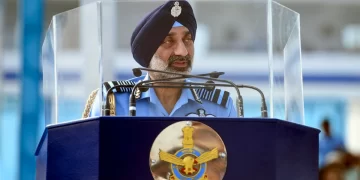
    IAF Chief AP Singh Flies Final Sortie in Kiran Aircraft, Reunites With First Flying Instructor

    IAF Chief AP Singh Flies Final Sortie in Kiran Aircraft, Reunites With First Flying Instructor

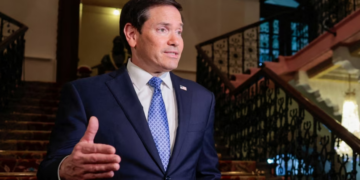
    Rubio Backs India’s Energy Diversification, Offers US Support Amid Russian Oil Debate

    Rubio Backs India’s Energy Diversification, Offers US Support Amid Russian Oil Debate

    Trending Tags

    • Movie
    • Music
  • Trending
  • India
    • Politics
    • States
    • Elections
    • Results
  • World News
  • Business
    • Economy
    • Markets
    • Real Estate
    • Crypto
  • More
    • Entertainment
      • Bollywood
      • TV
      • Movie Reviews
      • Web Series
    • Sports
      • Cricket
      • Football
      • Games
    • Sci-Tech
      • Science
      • Tech
      • Gadgets
      • Gaming
    • Culture
      • History
      • Festivals
      • Art
      • Temples
      • Scriptures
    • Lifestyle
      • Fashion
      • Food
      • Health
      • Travel
    • Student’s Corner
      • Exam
      • Exam Results
      • Schools
      • Universities
    • Astrology
      • Daily Horoscope
      • Monthly Horoscope
      • Days
  • Opinion
  • Login
  • Register
  • Home
    • All
    • Art
    • Bollywood
    • Business
    • Cricket
    • Crypto
    • Culture
    • Daily Horoscope
    • Economy
    • Elections
    • Entertainment
    • Fashion
    • Gaming
    • Health
    • History
    • India
    • Lifestyle
    • Movie Reviews
    • Photos
    • Politics
    • Sci-Tech
    • Science
    • Sports
    • Tech
    • Trending
    • TV
    • Uncategorized
    • Web Series
    • World News
    New rules on animal testing must take India forward, not backwards: Maneka Gandhi Officials maintain the changes seek to simplify approvals for research institutions, pharmaceutical and biomedical industries. Updated on: Oct 26, 2026, 14:54:47 IST By Jasjeev Gandhiok Prefer HTPrefer HT Prefer HT on Google Share The Centre’s draft rules governing animal experimentation have triggered concerns among animal rights groups, which say the changes could weaken independent oversight and make it easier for laboratories to conduct experiments on animals. However, officials maintain the changes seek to simplify approvals for research institutions, pharmaceutical and biomedical industries.  Former Union minister Maneka Gandhi. Former Union minister Maneka Gandhi. HT speaks to animal rights activist and former Union minister Maneka Gandhi, a long-time campaigner against animal experimentation. Edited excerpts:   A major change to animal experimentation, proposed in the draft, is that mild and moderate experiments could be approved by an institution’s own ethics committee rather than going to the central regulator. In practical terms, what does this change mean for an animal inside a laboratory? Does it make it easier for more animals to be experimented on? It means the animal loses the one independent pair of eyes that was looking at its fate. Today, experiments on animals larger than a rat go to the central regulator, and there is at least someone outside the building asking whether this experiment is necessary at all. Under the draft, the people who want to do the experiment, their colleagues and their department heads will be the ones approving it. And it is the institution itself, through its own veterinarian, that decides whether the experiment is mild or moderate in the first place. No institution has ever turned down its own funding. So yes, it will make it easier, and it will make it faster, and that means more animals. Mild and moderate are also the bulk of experiments, so we are effectively handing over most of animal experimentation in India to self regulation.  The draft classifies experiments as mild, moderate, severe and non-recovery. Is there a concern that the institution conducting the research will effectively decide how severe the experiment is. Does this leave a grey area? It isn’t grey, it is completely black. Under this draft, the institution that wants to do the experiment is also the one that decides which category it falls into. That decision matters enormously, because if the experiment is classified as mild or moderate, the institution’s own committee approves it and it never goes to the central regulator. Only severe and non-recovery experiments on larger animals go outside. So the same people who want the experiment approved are deciding whether anyone independent will ever examine it. That is a clear conflict of interest, and it will push experiments towards the lower categories. Starving a rat for a day is called mild. Keeping a social animal alone in a cage is mild. Starving it for two days, or putting it through distress it cannot escape, is moderate. So is testing herbal products, testing established drugs, and anything described as having “known and reversible effects,” which could mean almost anything. This is not a scientific list. It is the most common commercial work.  The draft also creates exceptions and allows laboratories to use animals from open markets, unregistered sources, and in certain circumstances, stray, feral, wild and protected animals. What is the biggest risk that this may create for animals in practice? Could community dogs, lost pets or animals taken from the wild find their way into laboratories? The biggest risk is that nobody will know where an animal came from. The whole point of registered breeders was traceability. Once you allow open markets and unregistered sources for cattle, goats, birds and fish, you create a demand, and in this country demand is met very quickly by people who will pick up anything. Strays and wild animals can be used if a “competent authority” permits it, and the draft never says who that is. Community dogs, someone’s lost pet, birds from illegal markets, all of it can find its way into a laboratory. These exceptions should be removed completely. If a lab cannot get an animal from a registered source, it should not be doing that experiment.  The draft formally incorporates the principles of replacement, reduction and refinement, but critics say these safeguards become weaker if institutions themselves are approving experiments. Do you believe India should now be moving towards replacing animal experiments altogether, particularly when the health ministry has already allowed certain drug testing through non-animal methods? What should the rules do differently? Yes, and we are not starting from zero. The health ministry has already amended the drug rules to accept non-animal methods. The world is moving this way because these methods are often more predictive for humans than a mouse ever was. Writing replacement, reduction and refinement into the rules means nothing if the person checking compliance is the institution itself. The rules should make it mandatory to show that no validated alternative exists before an animal is used, set up a national body to validate and promote alternatives, put money into them, and set timelines to phase out animal use in areas where alternatives are already available. A rule that only mentions replacement as a principle is decoration.  You have worked on animal experimentation regulation for decades. What specific changes would you want the government to make to this draft? I don’t think this draft can be fixed. There is hardly a provision in it that doesn’t need changing, and when everything needs to change, it is better to start again. So the draft should be put aside and written afresh, this time with independent scientists, animal welfare organisations and legal experts at the table. The new rules must take India forward, not backwards. Animals already have certain protections under the law which cannot be taken away. New should be building on them.

    New rules on animal testing must take India forward, not backwards: Maneka Gandhi Officials maintain the changes seek to simplify approvals for research institutions, pharmaceutical and biomedical industries. Updated on: Oct 26, 2026, 14:54:47 IST By Jasjeev Gandhiok Prefer HTPrefer HT Prefer HT on Google Share The Centre’s draft rules governing animal experimentation have triggered concerns among animal rights groups, which say the changes could weaken independent oversight and make it easier for laboratories to conduct experiments on animals. However, officials maintain the changes seek to simplify approvals for research institutions, pharmaceutical and biomedical industries. Former Union minister Maneka Gandhi. Former Union minister Maneka Gandhi. HT speaks to animal rights activist and former Union minister Maneka Gandhi, a long-time campaigner against animal experimentation. Edited excerpts: A major change to animal experimentation, proposed in the draft, is that mild and moderate experiments could be approved by an institution’s own ethics committee rather than going to the central regulator. In practical terms, what does this change mean for an animal inside a laboratory? Does it make it easier for more animals to be experimented on? It means the animal loses the one independent pair of eyes that was looking at its fate. Today, experiments on animals larger than a rat go to the central regulator, and there is at least someone outside the building asking whether this experiment is necessary at all. Under the draft, the people who want to do the experiment, their colleagues and their department heads will be the ones approving it. And it is the institution itself, through its own veterinarian, that decides whether the experiment is mild or moderate in the first place. No institution has ever turned down its own funding. So yes, it will make it easier, and it will make it faster, and that means more animals. Mild and moderate are also the bulk of experiments, so we are effectively handing over most of animal experimentation in India to self regulation. The draft classifies experiments as mild, moderate, severe and non-recovery. Is there a concern that the institution conducting the research will effectively decide how severe the experiment is. Does this leave a grey area? It isn’t grey, it is completely black. Under this draft, the institution that wants to do the experiment is also the one that decides which category it falls into. That decision matters enormously, because if the experiment is classified as mild or moderate, the institution’s own committee approves it and it never goes to the central regulator. Only severe and non-recovery experiments on larger animals go outside. So the same people who want the experiment approved are deciding whether anyone independent will ever examine it. That is a clear conflict of interest, and it will push experiments towards the lower categories. Starving a rat for a day is called mild. Keeping a social animal alone in a cage is mild. Starving it for two days, or putting it through distress it cannot escape, is moderate. So is testing herbal products, testing established drugs, and anything described as having “known and reversible effects,” which could mean almost anything. This is not a scientific list. It is the most common commercial work. The draft also creates exceptions and allows laboratories to use animals from open markets, unregistered sources, and in certain circumstances, stray, feral, wild and protected animals. What is the biggest risk that this may create for animals in practice? Could community dogs, lost pets or animals taken from the wild find their way into laboratories? The biggest risk is that nobody will know where an animal came from. The whole point of registered breeders was traceability. Once you allow open markets and unregistered sources for cattle, goats, birds and fish, you create a demand, and in this country demand is met very quickly by people who will pick up anything. Strays and wild animals can be used if a “competent authority” permits it, and the draft never says who that is. Community dogs, someone’s lost pet, birds from illegal markets, all of it can find its way into a laboratory. These exceptions should be removed completely. If a lab cannot get an animal from a registered source, it should not be doing that experiment. The draft formally incorporates the principles of replacement, reduction and refinement, but critics say these safeguards become weaker if institutions themselves are approving experiments. Do you believe India should now be moving towards replacing animal experiments altogether, particularly when the health ministry has already allowed certain drug testing through non-animal methods? What should the rules do differently? Yes, and we are not starting from zero. The health ministry has already amended the drug rules to accept non-animal methods. The world is moving this way because these methods are often more predictive for humans than a mouse ever was. Writing replacement, reduction and refinement into the rules means nothing if the person checking compliance is the institution itself. The rules should make it mandatory to show that no validated alternative exists before an animal is used, set up a national body to validate and promote alternatives, put money into them, and set timelines to phase out animal use in areas where alternatives are already available. A rule that only mentions replacement as a principle is decoration. You have worked on animal experimentation regulation for decades. What specific changes would you want the government to make to this draft? I don’t think this draft can be fixed. There is hardly a provision in it that doesn’t need changing, and when everything needs to change, it is better to start again. So the draft should be put aside and written afresh, this time with independent scientists, animal welfare organisations and legal experts at the table. The new rules must take India forward, not backwards. Animals already have certain protections under the law which cannot be taken away. New should be building on them.

    Orissa High Court Rules SC/ST Status Cannot Be Carried Across State Borders

    Orissa High Court Rules SC/ST Status Cannot Be Carried Across State Borders

    Supreme Court Seeks Centre’s Response to Challenge Against Chhattisgarh Anti-Conversion Law

    Supreme Court Seeks Centre’s Response to Challenge Against Chhattisgarh Anti-Conversion Law

    Lula’s Brazil Re-Election: What It Means for India’s Trade, Rare Earths and Global South Push

    Lula’s Brazil Re-Election: What It Means for India’s Trade, Rare Earths and Global South Push

    IAF Chief AP Singh Flies Final Sortie in Kiran Aircraft, Reunites With First Flying Instructor

    IAF Chief AP Singh Flies Final Sortie in Kiran Aircraft, Reunites With First Flying Instructor

    Rubio Backs India’s Energy Diversification, Offers US Support Amid Russian Oil Debate

    Rubio Backs India’s Energy Diversification, Offers US Support Amid Russian Oil Debate

    Trending Tags

    • Movie
    • Music
  • Trending
  • India
    • Politics
    • States
    • Elections
    • Results
  • World News
  • Business
    • Economy
    • Markets
    • Real Estate
    • Crypto
  • More
    • Entertainment
      • Bollywood
      • TV
      • Movie Reviews
      • Web Series
    • Sports
      • Cricket
      • Football
      • Games
    • Sci-Tech
      • Science
      • Tech
      • Gadgets
      • Gaming
    • Culture
      • History
      • Festivals
      • Art
      • Temples
      • Scriptures
    • Lifestyle
      • Fashion
      • Food
      • Health
      • Travel
    • Student’s Corner
      • Exam
      • Exam Results
      • Schools
      • Universities
    • Astrology
      • Daily Horoscope
      • Monthly Horoscope
      • Days
  • Opinion
No Result
View All Result
India Reflects
No Result
View All Result
Home Uncategorized

admin by admin
June 20, 2023
Reading Time: 7 mins read
0

Content

  • Mostbet: Jak Wypłacić Pieniądze
  • Trudności W Wypłacaniu Pieniędzy
  • Aktywność Firmyzobacz Wszystko
  • Mostbet: Jak Wypłacić Pieniądze Przez Aplikację
  • Jak Wycofać Swoje Pieniądze Z Mostbet Kasyno
  • Ye Mostbet Wale Sally Sb Chor Hai Mai…
  • Zarejestruj Się Na Stronie Mostbet
  • Wypłata Do Yumoney
  • Nie Zostały Wpłacone Środki Na Konto Mostbet
  • Mostbet Był Moim Pierwszym I Jak Dotąd…
  • Recenzja Mostbet 2021 – Depozyt, Wypłata I Bonus
  • Próbowałem 3 Razy Wypłacić Pieniądze I…
  • Sposoby Na Wypłatę Pieniędzy Z Kasyna Mostbet
  • Czy Mostbet Jest Legalny W Indiach?
  • Mostbet Official Recenzje
  • Witam Moje Id Gracza 39996017 Moja…
  • Limity Wypłat
  • Firmy
  • Mam Bardzo Złą Opinię , Brak Możliwości Wypłaty
  • Id 91390171
  • Dostępne Metody Płatności
  • Zakłady Z Mostbetcom
  • Minimalna Kwota Wypłaty
  • Cechy Limitu Wypłat W Mostbet
  • Firmy
  • Zakłady Z Mostbetcom
  • Jak Wycofać Swoje Pieniądze Z Mostbet Kasyno
  • Mostbet Official Recenzje

Aby uzyskać dostęp do wypłaty środków, należy dokonać prywatnego biura, dla tej strony internetowej kasyna przedstawione aż cztery różne sposoby, z których każdy ma swoje własne cechy i zalety. Dopiero po wykonaniu tych wszystkich czynności będziesz mógł wypłacić swoje pieniądze. W przypadku wielu systemów płatności istnieją pewne progi, poniżej których nie będziesz mógł się wycofać, ponieważ jest to sprzeczne z warunkami firmy. Aby sprawdzić tę wartość, przejdź na stronę, na której znajduje się opcja wypłaty środków z salda gry, kliknij na interesujący Cię system płatności i dowiedz się, jaka jest jego minimalna kwota. Dla tych, którzy nie posiadają karty lub nie chcą korzystać z oficjalnej karty bankowej, odpowiednia jest opcja taka jak wypłata na różne portfele elektroniczne. Wielu nowoczesnych użytkowników Internetu posiada je obecnie, ponieważ jest to niekiedy bardzo wygodne, gdyż zastępuje korzystanie z kart bankowych.

RELATED POSTS

Uttarakhand Minister Confronts Daler Mehndi On Stage, Questions Singer Over Alleged Alcohol Consumption

Delhi ‘rice scam’: Saurabh Bharadwaj alleges ₹22,000-crore diversion of subsidised grain

Marco Rubio Heads to India for First Official Visit, Quad Talks and Strategic Dialogue on Agenda

Ta kwota wystarczy, aby rozpocząć grę lub aktywować bonusy. Regulamin bukmachera Mostbet nie podaje maksymalnej kwoty do wypłaty. Biuro bukmacherskie i kasyno Mostbet może odmówić wypłaty środków, jeśli gracz nie spełnił warunków. Na przykład, jeśli użytkownik nie wykorzystał usługi płatniczej do zakładów sportowych, ale do oszustwa.

Mostbet: Jak Wypłacić Pieniądze

Właściciele urządzeń mobilnych mogą pobierać aplikacje bukmacherskie Mostbet na swoje telefony za pośrednictwem Play Market lub App Store. Po rejestracji zostaniesz przekierowany na swoje konto osobiste. Teraz możesz wpłacić pieniądze i otrzymać bonus powitalny w postaci bonusu od depozytu na swoim koncie. Jak wiadomo, bukmacher nie pobiera żadnych prowizji od wypłat. Jedynym warunkiem, który może w jakiś sposób ograniczać gracza jest minimalna kwota.

Kasyno Mostbet ma dość dużą szybkość tej akcji, co doceniają wszyscy użytkownicy tej firmy. Bardzo się cieszymy, że jest Pan zadowolony z naszych usług! Z poważaniem, Mostbet.Hello, Dear Arek Jagoda! We are very happy that you are glad with our service! Wejdź do swojego osobistego biura i poszukaj zakładki z wypłatami. Następnie wybierz interesującą Cię usługę i określ kwotę.

Trudności W Wypłacaniu Pieniędzy

Biorąc pod uwagę, że bukmacher korzysta tylko ze sprawdzonych i nowoczesnych usług, użytkownik nie musi się martwić o bezpieczeństwo i komfort. Jeśli wystąpi błąd, zespół wsparcia Mostbet pomoże Ci przywrócić konto lub dokonać pełnej płatności. Rozwiązań każdego z tych problemów może być kilka, nie ma jednej ścieżki. Dlatego radzimy skontaktować się z naszym zespołem pomocy technicznej w przypadku wystąpienia jakichkolwiek problemów. Zazwyczaj rozpatrzenie wniosku zajmuje kilka minut, ale zdarza się, że trwa to kilka dni.

Aktywność Firmyzobacz Wszystko

Wykorzystujemy wiedzę odpowiednio wykwalifikowanych pracowników oraz sprytną technologię, aby chronić naszą platformę. Dowiedz się, jak zwalczamy fałszywe recenzje. Zaczynają się dziać dziwne rzeczy w wypłatami. Wypłata środków nie jest więc niczym skomplikowanym.

Teraz możesz śledzić status wniosku w swoim osobistym biurze. Pokaże Ci również wszystkie transakcje na Twoim koncie.

Buy JNews
ADVERTISEMENT

Mostbet: Jak Wypłacić Pieniądze Przez Aplikację

Gracz może wybrać dowolną metodę płatności, z której korzystał wcześniej lub w której posiada już konto osobiste. Dodatkowo użytkownik Mostbet może kierować się względami bezpieczeństwa mostbet lub szybkości transakcji. Mostbet oferuje wydarzenia liniowe w 16 dyscyplinach sportowych. Poza piłką nożną, koszykówką, hokejem, zakładami na siatkówkę itp.

Dużym plusem jest to, że obie metody są bardzo szybkie. Metody wpłat i wypłat są specjalnie wybrane dla Indii i Bangladeszu, dzięki czemu możesz wybrać najwygodniejszą dla siebie. Pamiętaj, że możesz wypłacić środki w ten sam sposób, w jaki wpłaciłeś swoje konto.

Jak Wycofać Swoje Pieniądze Z Mostbet Kasyno

Aby utworzyć portfel musisz podać numer swojego urządzenia mobilnego. Ta metoda jest drugą najbardziej popularną po kartach, możesz użyć konta kiwi jako portfela. Pieniądze przychodzą średnio w 5-10 minut na Twoje konto w Kiwi.

Jest osobna sekcja dla fanów sportu, w szczególności takich dyscyplin jak Dota2, Counter-Strike Global Offensive, League of Legends, WarCraft III, Overwatch, StarCraft 2. Zakłady w tych dyscyplinach wahają się od dużych turniejów do małych turniejów, które nie mają tak dużej puli nagród. Mostbet w tym okresie jest faworytem wśród sklepów bukmacherskich nie tylko w Indiach, ale i na całym świecie, co pokazuje, że Mostbet jest najlepszą platformą do obstawiania.

Ye Mostbet Wale Sally Sb Chor Hai Mai…

W takim przypadku może być trudno stwierdzić, czy za opóźnienie odpowiada bukmacher czy serwis płatności. Bukmacher może nagle poprosić Cię o weryfikację konta przy kolejnym żądaniu zapłaty. Może się to zdarzyć, jeśli gracz nie zweryfikował wcześniej swojej tożsamości. Albo przy wypłacaniu dużej sumy pieniędzy. Pierwszą rzeczą, o której należy pamiętać jest to, że przy wypłacaniu wygranych gracz może skorzystać tylko z serwisu, który został już użyty do wpłaty. Ta zasada nie powinna dziwić użytkowników, bo zapewne spotkali się już z nią w innych kasynach i zakładach bukmacherskich.

Zarejestruj Się Na Stronie Mostbet

Jest to kolejny e-portfel, który jest dostępny do wpłacania pieniędzy z kasyna. Wypłata zajmie Ci kilka minut, musisz tylko podać numer konta, kwotę i poczekać, aż wypłata zostanie zrealizowana. Umożliwia to wypłatę pieniędzy z konta absolutnie wszystkim gościom i klientom strony. Procedura rejestracji na stronie trwa średnio 2-3 minuty. Dostęp do serwisu możliwy jest z dowolnego urządzenia.

Oprócz bonusu, który uzupełnia kwotę na Twoim koncie, możesz otrzymać darmowe zakłady. Jest to specjalna promocja, która pozwala graczowi obstawiać za darmo i otrzymać nagrodę pieniężną, jeśli wygra. Freebety są przyznawane graczom za aktywność, a kwota tej promocji różni się w zależności od statusu. Każdy ruch na nowy poziom jest oznaczony bonusem, który możesz od razu wydać według własnego uznania. Podobny prezent – ​​darmowe spiny – otrzymują ci, którzy spędzają dużo czasu w kasynie. Ten bonus pozwoli Ci zakręcić bębnami za darmo, bez obstawiania każdego zakręcenia, ale otrzymasz nagrodę pieniężną, jeśli wygrasz.

Wypłata Do Yumoney

Metoda ta pozwala na otrzymanie pieniędzy w jak najkrótszym czasie, aby móc je wykorzystać już w realnym życiu. Kasyna ustalają własne limity dotyczące tego, ile możesz wypłacić i w jakim okresie czasu. Zazwyczaj limity te nie przeszkadzają specjalnie w rozgrywce, gdyż są trudne do osiągnięcia, szczególnie dla początkujących. Szybkość wypłaty to czas potrzebny na wykonanie i zakończenie transakcji pieniężnej.

Nie Zostały Wpłacone Środki Na Konto Mostbet

Mostbet to stosunkowo młoda firma bukmacherska. Biuro bukmacherskie powstało w 2009 roku iw ciągu 10 lat zdołało zdobyć szacunek swoich klientów. Najpierw spójrzmy, czym jest Mostbet, jakie warunki może zapewnić swoim graczom biuro tego bukmachera. Bez tej wiedzy, przy wypłatach będzie ciasno, więc warto zapoznać się z nimi znacznie dokładniej.

Mostbet Był Moim Pierwszym I Jak Dotąd…

W trakcie gry wielu użytkowników będzie musiało wypłacić swoje pieniądze, które otrzymuje się za udane zakłady w dowolnym emulatorze z oferty kasyna Mostbet. Instytucja hazardowa oferuje kilka rodzajów wypłat z konta użytkownika w jego profilu. Wypłacanie pieniędzy z konta w kasynie Mostbet jest bardzo proste, ponieważ istnieje wiele różnych metod, aby to zrobić. Musisz jednak najpierw potwierdzić swoje konto, w przeciwnym razie nie będziesz mógł uzyskać dostępu do tej akcji. Dziś każdy na świecie ma przynajmniej jedną kartę bankową, więc w zdecydowanej większości wirtualnych kasyn można na nią wypłacać pieniądze, Mostbet nie był wyjątkiem. Jest to jeden z najbardziej wygodnych i popularnych sposobów, z którego korzysta duża liczba wszystkich klientów firmy hazardowej.

Share196Tweet123
admin

admin

Related Posts

Uttarakhand Minister Confronts Daler Mehndi On Stage, Questions Singer Over Alleged Alcohol Consumption
Uncategorized

Uttarakhand Minister Confronts Daler Mehndi On Stage, Questions Singer Over Alleged Alcohol Consumption

October 25, 2026
Delhi ‘rice scam’: Saurabh Bharadwaj alleges ₹22,000-crore diversion of subsidised grain
Uncategorized

Delhi ‘rice scam’: Saurabh Bharadwaj alleges ₹22,000-crore diversion of subsidised grain

October 25, 2026
Marco Rubio Heads to India for First Official Visit, Quad Talks and Strategic Dialogue on Agenda
World News

Marco Rubio Heads to India for First Official Visit, Quad Talks and Strategic Dialogue on Agenda

May 22, 2026
CJP Founder Abhijeet Dipke Says Instagram Account ‘Hacked’, Backup Handle Also Taken Down Amid Social Media Crackdown

CJP Founder Abhijeet Dipke Says Instagram Account ‘Hacked’, Backup Handle Also Taken Down Amid Social Media Crackdown

May 22, 2026
Melania Trump breaks silence amid Minnesota ICE protests, calls for unity and peaceful demonstrations
World News

Melania Trump breaks silence amid Minnesota ICE protests, calls for unity and peaceful demonstrations

January 27, 2026
Physics Wallah files for ₹38.20 billion IPO as Indian ed-tech market revives
Uncategorized

Physics Wallah files for ₹38.20 billion IPO as Indian ed-tech market revives

September 10, 2025
Live Cricket Scores
en English
en Englishgu Gujaratihi Hindikn Kannadaml Malayalammr Marathipa Punjabita Tamilte Telugu

Recommended Stories

Tulsi Gabbard Slams Media Over Iran Nuclear Reports After Trump Calls Her “Wrong”

Tulsi Gabbard Slams Media Over Iran Nuclear Reports After Trump Calls Her “Wrong”

June 21, 2025
Three powerful anti-junta groups hat launched an offensive against the military last October agreed to a temporary ceasefire in areas on the border with China on Thursday night

China Mediates Truce in Northern Myanmar, Battles Persist in Other Regions

January 12, 2024
Hockey goalkeeper Savita Punia believes the men’s and women’s teams are viewed equally now.

A Win for Women: How Indian Sports Are Becoming More Inclusive

October 11, 2024

Popular Stories

  • Incredible Health Benefits of Walking 5,000 Steps a Day

    Incredible Health Benefits of Walking 5,000 Steps a Day

    823 shares
    Share 329 Tweet 206
  • Jeet Adani Asks Anupam Mittal To Remove His Shaadi.com Profile Days Before Wedding To Diva Shah

    596 shares
    Share 238 Tweet 149
  • UK Welcomes PM Modi – Wembley Stadium

    557 shares
    Share 223 Tweet 139
  • Mangalyaan: India’s Mars Orbiter craft quietly bids goodbye

    532 shares
    Share 213 Tweet 133
  • “Vikram Vedha”; 15 cities receive live broadcasts of the song

    530 shares
    Share 212 Tweet 133
India Reflects

India Reflects

India's first truly global news portal brings you unbiased news based on facts from India and around the World.

Recent Posts

  • New rules on animal testing must take India forward, not backwards: Maneka Gandhi Officials maintain the changes seek to simplify approvals for research institutions, pharmaceutical and biomedical industries. Updated on: Oct 26, 2026, 14:54:47 IST By Jasjeev Gandhiok Prefer HTPrefer HT Prefer HT on Google Share The Centre’s draft rules governing animal experimentation have triggered concerns among animal rights groups, which say the changes could weaken independent oversight and make it easier for laboratories to conduct experiments on animals. However, officials maintain the changes seek to simplify approvals for research institutions, pharmaceutical and biomedical industries. Former Union minister Maneka Gandhi. Former Union minister Maneka Gandhi. HT speaks to animal rights activist and former Union minister Maneka Gandhi, a long-time campaigner against animal experimentation. Edited excerpts: A major change to animal experimentation, proposed in the draft, is that mild and moderate experiments could be approved by an institution’s own ethics committee rather than going to the central regulator. In practical terms, what does this change mean for an animal inside a laboratory? Does it make it easier for more animals to be experimented on? It means the animal loses the one independent pair of eyes that was looking at its fate. Today, experiments on animals larger than a rat go to the central regulator, and there is at least someone outside the building asking whether this experiment is necessary at all. Under the draft, the people who want to do the experiment, their colleagues and their department heads will be the ones approving it. And it is the institution itself, through its own veterinarian, that decides whether the experiment is mild or moderate in the first place. No institution has ever turned down its own funding. So yes, it will make it easier, and it will make it faster, and that means more animals. Mild and moderate are also the bulk of experiments, so we are effectively handing over most of animal experimentation in India to self regulation. The draft classifies experiments as mild, moderate, severe and non-recovery. Is there a concern that the institution conducting the research will effectively decide how severe the experiment is. Does this leave a grey area? It isn’t grey, it is completely black. Under this draft, the institution that wants to do the experiment is also the one that decides which category it falls into. That decision matters enormously, because if the experiment is classified as mild or moderate, the institution’s own committee approves it and it never goes to the central regulator. Only severe and non-recovery experiments on larger animals go outside. So the same people who want the experiment approved are deciding whether anyone independent will ever examine it. That is a clear conflict of interest, and it will push experiments towards the lower categories. Starving a rat for a day is called mild. Keeping a social animal alone in a cage is mild. Starving it for two days, or putting it through distress it cannot escape, is moderate. So is testing herbal products, testing established drugs, and anything described as having “known and reversible effects,” which could mean almost anything. This is not a scientific list. It is the most common commercial work. The draft also creates exceptions and allows laboratories to use animals from open markets, unregistered sources, and in certain circumstances, stray, feral, wild and protected animals. What is the biggest risk that this may create for animals in practice? Could community dogs, lost pets or animals taken from the wild find their way into laboratories? The biggest risk is that nobody will know where an animal came from. The whole point of registered breeders was traceability. Once you allow open markets and unregistered sources for cattle, goats, birds and fish, you create a demand, and in this country demand is met very quickly by people who will pick up anything. Strays and wild animals can be used if a “competent authority” permits it, and the draft never says who that is. Community dogs, someone’s lost pet, birds from illegal markets, all of it can find its way into a laboratory. These exceptions should be removed completely. If a lab cannot get an animal from a registered source, it should not be doing that experiment. The draft formally incorporates the principles of replacement, reduction and refinement, but critics say these safeguards become weaker if institutions themselves are approving experiments. Do you believe India should now be moving towards replacing animal experiments altogether, particularly when the health ministry has already allowed certain drug testing through non-animal methods? What should the rules do differently? Yes, and we are not starting from zero. The health ministry has already amended the drug rules to accept non-animal methods. The world is moving this way because these methods are often more predictive for humans than a mouse ever was. Writing replacement, reduction and refinement into the rules means nothing if the person checking compliance is the institution itself. The rules should make it mandatory to show that no validated alternative exists before an animal is used, set up a national body to validate and promote alternatives, put money into them, and set timelines to phase out animal use in areas where alternatives are already available. A rule that only mentions replacement as a principle is decoration. You have worked on animal experimentation regulation for decades. What specific changes would you want the government to make to this draft? I don’t think this draft can be fixed. There is hardly a provision in it that doesn’t need changing, and when everything needs to change, it is better to start again. So the draft should be put aside and written afresh, this time with independent scientists, animal welfare organisations and legal experts at the table. The new rules must take India forward, not backwards. Animals already have certain protections under the law which cannot be taken away. New should be building on them.
  • Orissa High Court Rules SC/ST Status Cannot Be Carried Across State Borders
  • Supreme Court Seeks Centre’s Response to Challenge Against Chhattisgarh Anti-Conversion Law
  • Lula’s Brazil Re-Election: What It Means for India’s Trade, Rare Earths and Global South Push
  • IAF Chief AP Singh Flies Final Sortie in Kiran Aircraft, Reunites With First Flying Instructor

Categories

  • Art
  • Bollywood
  • Business
  • Cricket
  • Crypto
  • Culture
  • Daily Horoscope
  • Economy
  • Elections
  • Entertainment
  • Fashion
  • Gaming
  • Health
  • History
  • India
  • Lifestyle
  • Movie Reviews
  • Photos
  • Politics
  • Sci-Tech
  • Science
  • Sports
  • Tech
  • Trending
  • TV
  • Uncategorized
  • Web Series
  • World News

Policy Pages

Privacy Policy

Copyright Policy

Terms Of Use

Disclaimer

Code of Ethics

Copyright © 2022 India Reflects - India Reflects Ltd. All Rights Reserved.

  • Login
  • Sign Up
  • Home
  • Trending
  • India
    • Politics
    • States
    • Elections
    • Results
  • World News
  • Business
    • Economy
    • Markets
    • Real Estate
    • Crypto
  • Entertainment
    • Bollywood
    • TV
    • Movie Reviews
    • Web Series
  • Sports
    • Cricket
    • Football
    • Games
  • Sci-Tech
    • Science
    • Tech
    • Gadgets
    • Gaming
  • Culture
    • History
    • Festivals
    • Art
    • Temples
    • Scriptures
  • Lifestyle
    • Fashion
    • Food
    • Health
    • Travel
  • Student’s Corner
    • Exam
    • Exam Results
    • Schools
    • Universities
  • Astrology
    • Daily Horoscope
    • Monthly Horoscope
    • Days
  • Opinion

Copyright © 2022 India Reflects - India Reflects Ltd. All Rights Reserved.

Welcome Back!

Login to your account below

Forgotten Password? Sign Up

Create New Account!

Fill the forms below to register

All fields are required. Log In

Retrieve your password

Please enter your username or email address to reset your password.

Log In

Add New Playlist