



 India
India

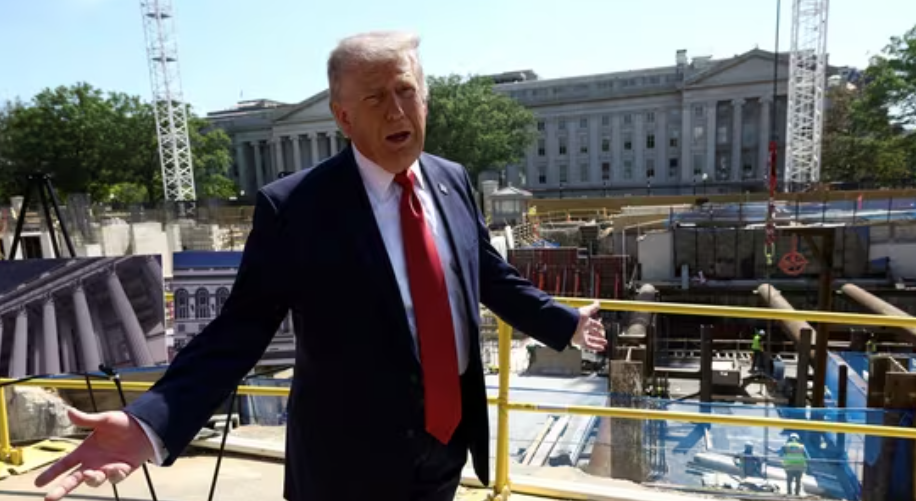
The United States Supreme Court has dealt a significant blow to President Donald Trump’s immigration agenda, ruling 6-3 against his attempt to restrict birthright citizenship in the country. The decision preserves a long-standing interpretation of the US Constitution that grants citizenship to most individuals born on American soil, regardless of their parents’ immigration status.
The ruling upheld a lower court’s decision that blocked Trump’s executive order, which directed federal agencies not to recognize the citizenship of children born in the United States if neither parent was a US citizen nor a lawful permanent resident, commonly known as a green card holder.
Trump signed the executive order on his first day back in office, making it one of the centerpiece policies of his renewed effort to tighten immigration controls. Supporters argued the move would address what they describe as abuses of the immigration system, while critics contended it violated constitutional protections and unfairly targeted immigrant communities.
At the center of the legal battle was the Citizenship Clause of the 14th Amendment, which states that all persons born or naturalized in the United States and subject to its jurisdiction are citizens of the United States. For more than a century, courts have broadly interpreted this provision to guarantee citizenship to nearly everyone born on US territory, with limited exceptions such as children of foreign diplomats or members of an occupying enemy force.
Opponents of Trump’s order argued that the administration’s interpretation of the phrase “subject to the jurisdiction thereof” was inconsistent with established constitutional precedent. The legal challenge was brought through a class-action lawsuit filed in New Hampshire on behalf of parents and children whose citizenship status would have been affected by the directive.
The Trump administration maintained that citizenship should be limited to children whose parents have a permanent legal connection to the United States. Government lawyers argued that the Constitution’s language excludes children of immigrants who are in the country illegally or those present only temporarily, including students and certain work visa holders.
Despite the court’s decision, Trump signaled that the fight is far from over. In a post on Truth Social, he described the ruling as “too bad” for the country and urged Congress to pursue legislation aimed at ending what he called “expensive and unfair” birthright citizenship policies. Trump argued that congressional action, rather than a constitutional amendment, could provide a path forward.

The ruling marks the second major setback for Trump at the Supreme Court this year. Earlier, the court struck down his broad global tariff initiative, another key policy priority of his administration.
The latest decision reinforces the judiciary’s longstanding interpretation of the 14th Amendment while setting the stage for a new political battle in Congress over one of the most contentious issues in America’s immigration debate.



 English
 Gujarati
 Hindi
Hindi Kannada
 Malayalam
 Marathi
 Punjabi
 Tamil
Tamil Telugu