 India
India

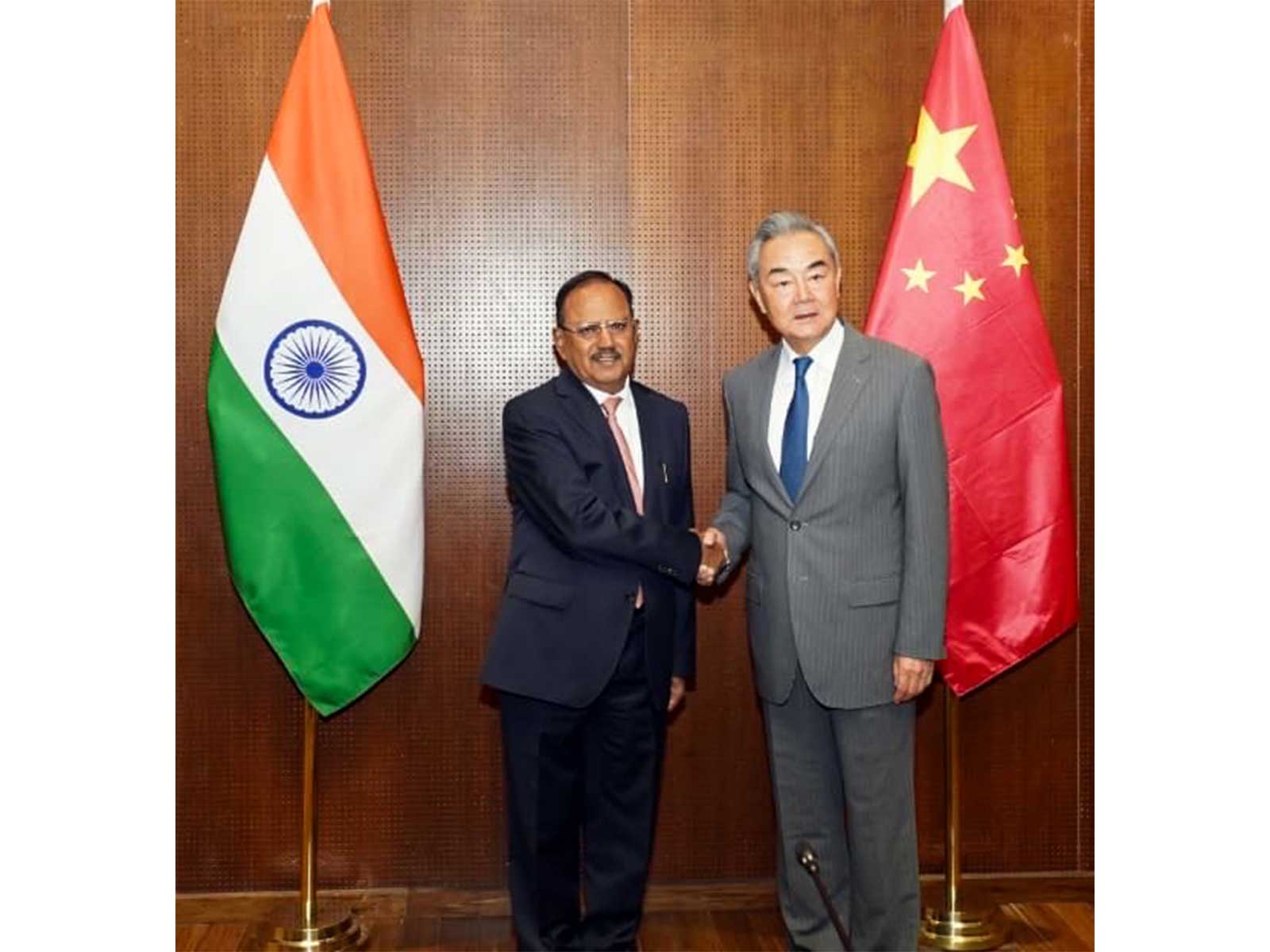
India and China have taken another significant step towards repairing relations strained by years of military tensions, as National Security Adviser Ajit Doval and Chinese Foreign Minister Wang Yi held high-level talks in New Delhi on Monday. The meeting, held on the sidelines of the BRICS National Security Advisers’ gathering, focused on the gradual normalisation of bilateral ties and the broader security environment in the region.
The discussions come at a crucial time for both countries, which have spent nearly two years attempting to rebuild diplomatic and economic engagement following the prolonged military stand-off along the Line of Actual Control (LAC). The border crisis, which began in 2020, pushed India-China relations to their lowest point in decades and significantly disrupted political, military and economic interactions between the two Asian powers.
According to officials, Doval and Wang reviewed recent developments in bilateral relations and acknowledged progress made towards restoring normal engagement. The talks were described as constructive, forward-looking and focused on maintaining momentum in the normalisation process.
During the meeting, Doval emphasised the importance of stable, predictable and constructive relations between India and China. He noted that stronger engagement and sustained dialogue are essential for building mutual trust, reducing misunderstandings and ensuring long-term regional stability.
The meeting also reflects a broader diplomatic effort undertaken by both governments since an agreement was reached in October 2024 to disengage troops and reduce tensions at key friction points along the disputed border. That understanding paved the way for renewed diplomatic contacts and confidence-building initiatives aimed at preventing future confrontations.
Since then, both countries have gradually expanded cooperation in several areas. Direct commercial flights between India and China have resumed after years of disruption. The Kailash Mansarovar Yatra, one of the most important pilgrimages for Indian devotees, has also restarted. Additionally, India has eased visa procedures for Chinese citizens, while Beijing has relaxed certain restrictions on exports of critical goods, including heavy machinery, fertilisers and rare-earth magnets.
Wang Yi’s visit marks his first trip to India in nearly a year and highlights the growing importance both sides attach to maintaining high-level communication. His previous visit in August 2025 included discussions with Doval and External Affairs Minister S. Jaishankar, focusing primarily on border management and confidence-building measures.

The BRICS National Security Advisers’ meeting is also part of preparations for the upcoming BRICS Summit, which India will host in September as the current chair of the grouping. Security cooperation, regional stability and responses to emerging global challenges are expected to dominate discussions among member states.
Despite recent progress, significant challenges remain. The unresolved border dispute continues to cast a shadow over the relationship, and both sides remain cautious about moving too quickly. However, the latest talks indicate a shared willingness to keep communication channels open and prevent tensions from escalating.
For New Delhi and Beijing, the path to full normalisation may still be long, but the Doval-Wang meeting signals that both governments are committed to rebuilding trust through sustained dialogue and practical cooperation. As Asia’s two largest powers navigate an increasingly complex geopolitical landscape, the success of these efforts will be closely watched across the region and beyond.
 English
 Gujarati
 Hindi
Hindi Kannada
 Malayalam
 Marathi
 Punjabi
 Tamil
Tamil Telugu