India
India

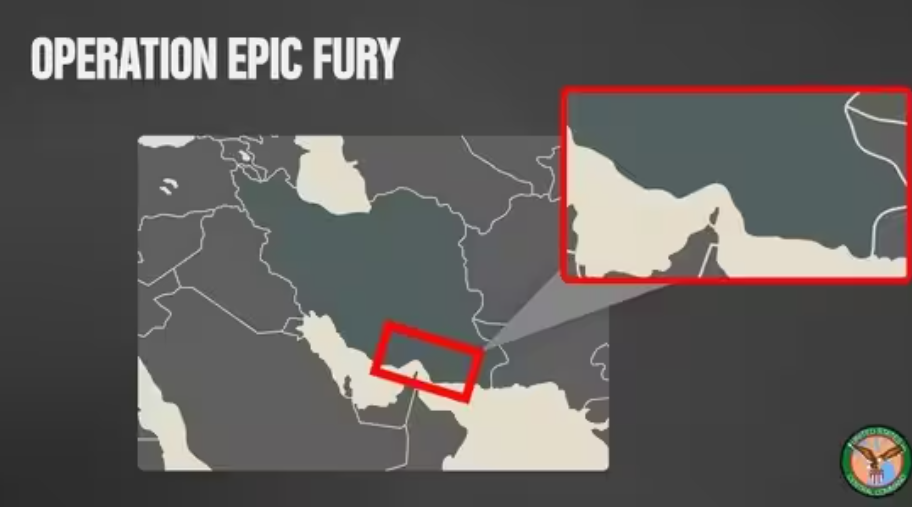
The United States carried out a major airstrike on Tuesday, deploying 5,000-pound “bunker buster” bombs on Iranian missile sites along the strategic Strait of Hormuz, one of the world’s most critical maritime chokepoints. The strike, described by US Central Command as “deep penetrator munitions,” was aimed at missile facilities that Washington said posed a risk to international shipping in the strait, through which nearly one-fifth of global oil exports pass.
“US forces successfully employed multiple 5,000-pound deep penetrator munitions on hardened Iranian missile sites along Iran’s coastline near the Strait of Hormuz,” Central Command stated on X (formerly Twitter), sharing images of the operation. These bombings mark a significant escalation in the ongoing Iran-US war, which has seen rising tensions across the Gulf region over recent months.
The backdrop to the strike involves Iran’s recent shutdown of the Strait of Hormuz, a move that severely threatened the free flow of global energy supplies. Iranian Parliament speaker Mohammad Baqer Qalibaf warned that the situation in the strait would not return to its “pre-war state,” signaling a protracted standoff in the region.
While the 5,000-pound bombs are costly—an estimated $288,000 each—they remain less powerful than the 30,000-pound munitions previously used by the US against Iranian nuclear sites in 2025. Despite the scale of the strike, there were no reports of civilian casualties or damage to critical infrastructure beyond the targeted missile facilities.
In a related development, a projectile reportedly hit near Iran’s Bushehr nuclear power plant on Tuesday evening. The International Atomic Energy Agency (IAEA) confirmed the incident, stating that there were no injuries or damage to the plant. IAEA chief Rafael Grossi emphasized the need for maximum restraint to prevent any nuclear accident amid the escalating conflict.
The strikes come amid intensified Iranian retaliation following the killing of two senior Iranian officials, Ali Larijani and Gen. Gholam Reza Soleimani, by US-Israel air operations. Iran responded with multiple-warhead missile attacks targeting Israel, as well as Saudi Arabia, Kuwait, and other nearby Arab states. Israeli authorities reported two fatalities in Ramat Gan, east of Tel Aviv, while several other attacks were intercepted by air defense systems, highlighting the growing regional volatility.
The unfolding conflict has raised concerns about the security of global energy routes, the escalation of military operations in the Middle East, and the potential for wider regional confrontations between the US, Israel, and Iran.







 English
 Gujarati
 Hindi
Hindi Kannada
 Malayalam
 Marathi
 Punjabi
 Tamil
Tamil Telugu