




 India
India

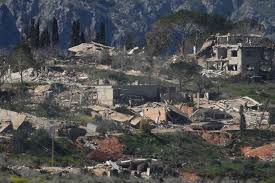
Human Rights Watch (HRW) has accused the Israeli military of deploying white phosphorus incendiary shells over residential areas in the Lebanese town of Yohmor, marking a serious escalation in the ongoing conflict linked to US-Israel strikes on Iran. According to a report released on March 9, 2026, the strikes occurred on March 3 and were documented using geolocation and verification of seven separate images, showing airburst white phosphorus munitions being deployed over the village.
Several of the images analyzed by HRW were originally shared on Facebook by the Civil Defense Team of the Islamic Health Committee in Yohmor, an organization affiliated with Hezbollah. The photographs show workers extinguishing fires on rooftops and in vehicles, while smoke rises from residential balconies. HRW emphasized that the affected sites were within a radius of less than 160 meters, underlining the risk to civilians.
Ramzi Kaiss, Lebanon researcher at Human Rights Watch, said the attacks were “extremely alarming” and could have “dire consequences for civilians.” The organization noted that white phosphorus burns at temperatures exceeding 800 degrees Celsius, enough to melt metal and incinerate human flesh. The chemical can continue burning as long as it is exposed to air, creating both thermal and chemical burns that penetrate down to the bone. Medical experts warn that these wounds may reignite during treatment if fragments are exposed to air, while inhalation of the smoke can cause severe respiratory damage and multi-organ failure.
White phosphorus, also known as ‘Willy Pete,’ is primarily used by militaries to create smokescreens or mark targets. However, its use over populated areas has drawn widespread criticism due to its lethal effects. The Convention on Conventional Weapons (CCW) prohibits the use of air-delivered incendiary weapons against civilian concentrations, but legal loopholes exist because the substance is designed for smoke generation rather than as a direct weapon. Israel is not a signatory to this treaty and maintains that its use of white phosphorus is consistent with international law.
The impact of such attacks extends beyond immediate injuries. Residents of southern Lebanon report long-term environmental damage, with lingering chemical residues contaminating soil and destroying local agriculture, including olive groves and citrus orchards. Similar use of white phosphorus has been recorded in Gaza, Iraq, Ukraine, and Syria, drawing condemnation from human rights organizations and United Nations experts for its indiscriminate nature and violations of humanitarian principles.
This latest report by HRW underscores the dangerous expansion of the conflict in the Middle East, as Israel and its allies continue airstrikes in Lebanon while Iran targets US forces in the Gulf, raising fears of a wider regional escalation.






 English
 Gujarati
 Hindi
Hindi Kannada
 Malayalam
 Marathi
 Punjabi
 Tamil
Tamil Telugu