





 India
India

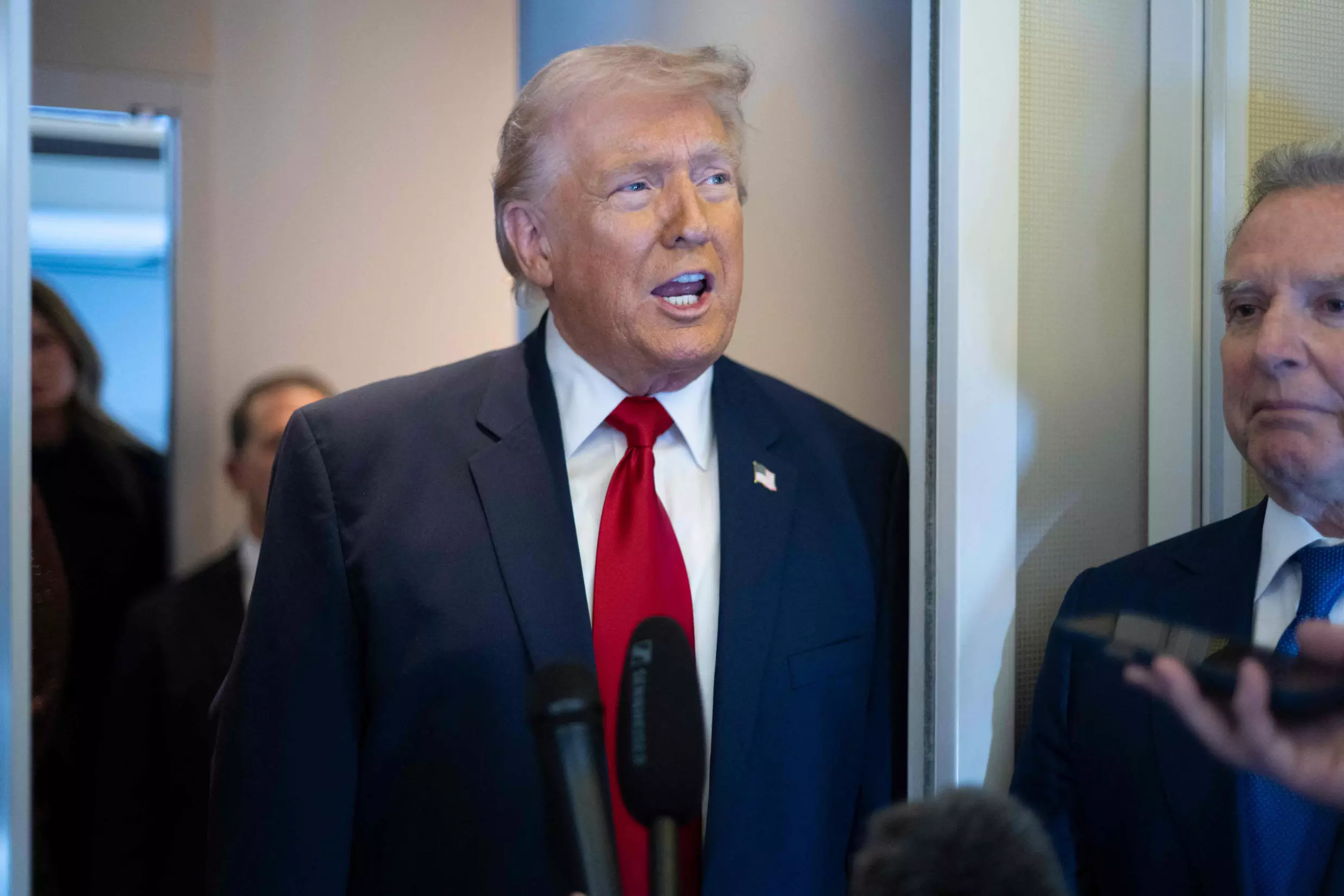
Amid rising tensions in the Middle East, oil prices have surged past $100 per barrel, prompting US President Donald Trump to review a series of measures aimed at stabilizing the energy market. The dramatic increase comes as ongoing hostilities between the United States, Israel, and Iran continue to disrupt oil exports from the region, particularly through the strategically vital Strait of Hormuz.
The spike in crude prices is expected to create economic pressure on American businesses and consumers, a concern that grows more urgent ahead of the November midterm elections. With Republicans hoping to retain control of Congress, the White House is actively exploring options to prevent fuel costs from derailing domestic economic stability.
Among the measures under consideration is a possible joint release of crude oil from the Strategic Petroleum Reserve in coordination with the Group of Seven major economies. Other approaches include restricting US oil exports, intervening in oil futures markets, and temporarily waiving certain federal taxes. Additionally, officials are examining the possibility of lifting certain requirements under the Jones Act, which currently mandates that domestic fuel be transported exclusively on US-flagged vessels.
White House spokesperson Taylor Rogers emphasized that the administration has a “strong game plan” and is coordinating closely with relevant agencies. “President Trump and his entire energy team have had a strong game plan to keep the energy markets stable well before Operation Epic Fury began, and they will continue to review all credible options,” Rogers said.
Despite these efforts, industry analysts caution that US policy options are likely to have limited impact on global oil prices as long as the Middle East conflict restricts the flow of crude through the Strait of Hormuz. Sources within the energy sector describe the available options as ranging from marginal to symbolic, with some potentially unwise. Proposals to provide naval escorts and insurance support for tankers have so far failed to restore normal shipping volumes in the key waterway.
Global crude prices briefly touched $119 per barrel, marking a level not seen since mid-2022, with gasoline and other fuel costs rising sharply. The White House last week asked federal agencies to assemble proposals that could help ease the pressure on both crude and gasoline prices, signaling the administration’s recognition of the potential economic consequences.
With energy costs central to Trump’s economic messaging, prolonged high oil prices could ripple through the broader economy, increasing transportation and consumer costs. While the administration reviews its options, analysts maintain that any significant relief will depend on restoring Middle East oil exports rather than domestic interventions alone.




 English
 Gujarati
 Hindi
Hindi Kannada
 Malayalam
 Marathi
 Punjabi
 Tamil
Tamil Telugu