 India
India

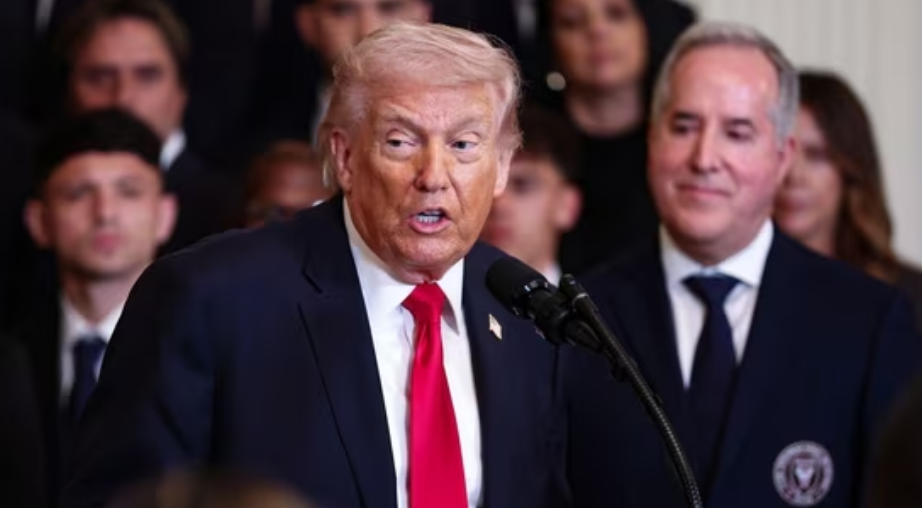
US President Donald Trump on Friday ruled out any possibility of a deal with Iran, insisting that the conflict will only end with what he described as an “unconditional surrender.” The statement comes as tensions between Washington and Tehran escalated into the seventh day of conflict, following the death of Iran’s Supreme Leader, Ayatollah Ali Khamenei, on the first day of hostilities.
In a post on Truth Social, Trump outlined his vision for Iran’s future, describing it as a “great country” that would be “economically bigger, better, and stronger than ever before.” He added that such a transformation would only occur after Tehran submits unconditionally and selects a “great and acceptable” leader or leaders to guide the country forward.
“There will be no deal with Iran except unconditional surrender! After that, and the selection of a great & acceptable leader(s), we, and many of our wonderful and very brave allies and partners, will work tirelessly to bring Iran back from the brink of destruction, making it economically bigger, better, and stronger than ever before,” Trump wrote.
The Republican leader also reiterated his “Make Iran Great Again” message, emphasizing that the country, despite being at war with the United States, “will have a great future.” The statement reflects Trump’s controversial approach to the conflict, which includes involvement in Iran’s leadership selection—a step he mentioned in a Thursday interview with Reuters. He claimed he would insist on the right to participate in choosing Iran’s next Supreme Leader.
Iran, however, has signaled that mediation efforts should focus on the United States and Israel, rather than on internal Iranian politics. President Masoud Pezeshkian, serving on a panel that has assumed Khamenei’s duties, stated on X that while Iran is committed to lasting peace in the region, it will not hesitate to defend its dignity and authority. He added that mediation should address those countries and actors that “underestimated the Iranian people and ignited this conflict.”
Under Iran’s political system, the president is subordinate to the Supreme Leader, but with Khamenei’s death, Pezeshkian’s panel currently oversees the country’s key executive decisions. The ongoing standoff underscores the high stakes in the region, with both sides signaling that resolution will come only on terms that align with their strategic and political priorities.


 English
 Gujarati
 Hindi
Hindi Kannada
 Malayalam
 Marathi
 Punjabi
 Tamil
Tamil Telugu