



 India
India

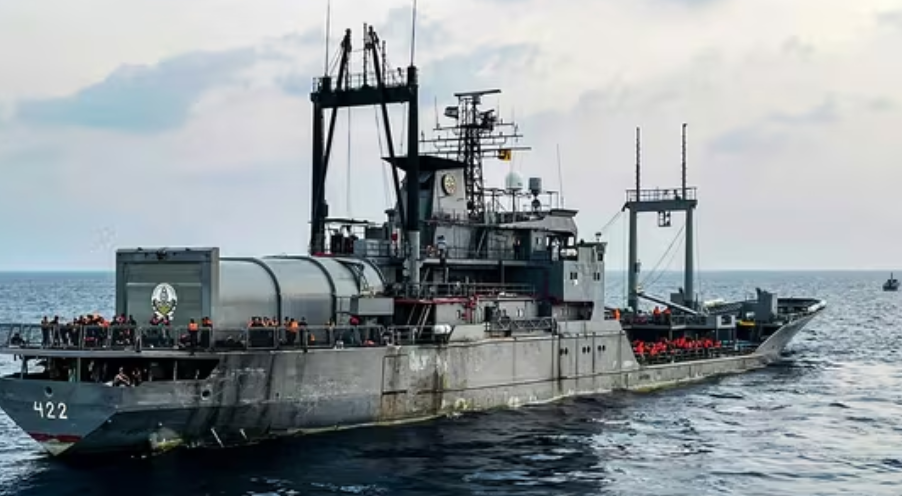
In a development raising eyebrows amid escalating geopolitical tensions, the Indian government allowed the Iranian ship IRIS Lavan to dock at the port of Kochi just days before another Iranian warship, IRIS Dena, was reportedly struck by a US torpedo off the coast of Sri Lanka. Sources indicate that the clearance for IRIS Lavan came directly from New Delhi, highlighting India’s delicate balancing act in maintaining ties with both Tehran and Washington.
IRIS Lavan arrived at Kochi on March 4, following a formal request from Tehran submitted on February 28, the very day when clashes between the United States and Iran intensified. The ship’s crew of 183 members was accommodated at Indian naval facilities in Kochi, where they are reportedly receiving necessary support and lodging. Officials emphasized that this arrangement ensured the safety and welfare of the crew while the region remains on high alert.
The timing of IRIS Lavan’s docking has drawn particular attention because it precedes the reported sinking of IRIS Dena. While the circumstances surrounding the attack on IRIS Dena are still under investigation, the incident has raised international concerns about maritime security and the stability of shipping lanes in the Indian Ocean. Analysts are closely observing India’s actions, noting that the country is carefully navigating its role as a regional actor without becoming directly embroiled in the US-Iran confrontation.
India’s decision underscores the strategic importance of Kochi as a naval hub capable of handling foreign naval vessels, even amid regional crises. By providing accommodation and logistical support for IRIS Lavan’s crew, India has signaled a willingness to extend humanitarian assistance while maintaining its diplomatic neutrality. This move also reflects India’s broader foreign policy approach, balancing engagement with Iran against its strategic partnership with the United States.
As tensions continue to escalate in the Middle East and the Indian Ocean region, the docking of IRIS Lavan is likely to be scrutinized for its implications on India-Iran relations, regional maritime security, and India’s role in an increasingly volatile geopolitical environment.




 English
 Gujarati
 Hindi
Hindi Kannada
 Malayalam
 Marathi
 Punjabi
 Tamil
Tamil Telugu