
 India
India

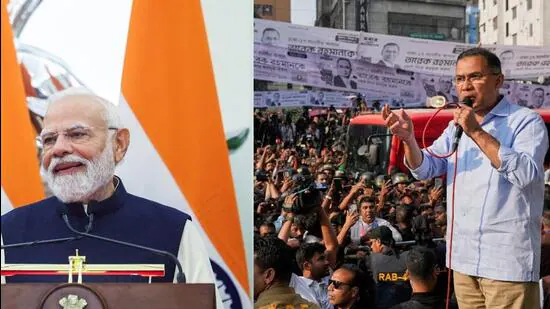
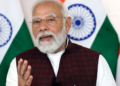
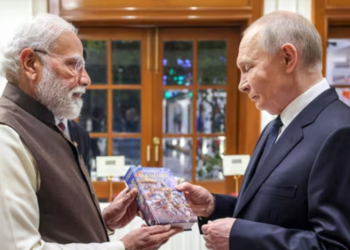
In the wake of the Bangladesh Nationalist Party’s (BNP) decisive win in the general elections on Friday, Prime Minister Narendra Modi moved swiftly to extend a hand of engagement, signaling India’s readiness to reset bilateral ties and enhance regional cooperation. Modi personally congratulated BNP chief Tarique Rahman and emphasized India’s commitment to working for the peace, progress, and prosperity of both nations.
As unofficial results showed the BNP leading in the polls—the first national election since former premier Sheikh Hasina’s government was toppled by student-led protests in August 2024—Modi was among the earliest global leaders to acknowledge Rahman’s victory. Following his social media post, the Prime Minister made a direct phone call to Rahman, who is poised to become Bangladesh’s next prime minister.
“Delighted to speak with Mr Tarique Rahman. I congratulated him on the remarkable victory in the Bangladesh elections,” Modi said, highlighting the historical, cultural, and economic ties between the two neighbors. He further expressed India’s support for Rahman’s efforts to fulfill the aspirations of the Bangladeshi people. Modi underlined India’s intention to work closely with the new government to strengthen multifaceted relations and advance shared development goals.
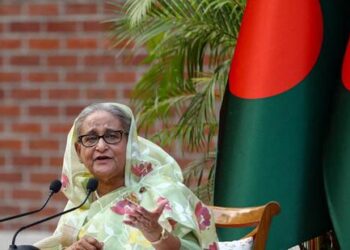
India now faces the task of recalibrating its ties with Dhaka after years of close association with Sheikh Hasina’s Awami League government, which oversaw an expansive agenda on economic, energy, and physical connectivity. While New Delhi’s engagement with Hasina’s administration was often described as a “golden chapter” in bilateral relations, critics in Bangladesh accused India of political favoritism.
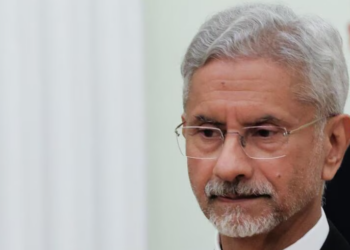
In recent months, India has signaled its readiness to work with the BNP. External Affairs Minister S. Jaishankar attended the funeral of Rahman’s late mother, former premier Khaleda Zia, last December and conveyed Modi’s message of goodwill. Rahman reportedly received assurances that India seeks constructive engagement and that the new government should “have no inhibitions” about forging stronger ties.
However, challenges remain. Hasina, currently living in self-exile in India, is a sensitive issue, as the BNP has formally requested her extradition to face trial for her role in the 2024 crackdown on protests. Additionally, India is monitoring the electoral gains of the Jamaat-e-Islami-led coalition, whose growing influence in constituencies bordering West Bengal and Assam raises concerns over regional security and radical elements.
Beyond bilateral ties, the new BNP leadership has expressed intentions to revive the South Asian Association for Regional Cooperation (SAARC) and push forward constitutional reforms, including enhanced women’s representation in parliament. India has previously emphasized regional cooperation through alternative platforms like BIMSTEC, and engagement with Rahman’s government will likely focus on balancing regional collaboration with domestic and security priorities.

With Modi’s proactive outreach, New Delhi aims to navigate these complexities and forge a constructive, forward-looking relationship with Dhaka under the BNP.

 English
 Gujarati
 Hindi
Hindi Kannada
 Malayalam
 Marathi
 Punjabi
 Tamil
Tamil Telugu