


 India
India

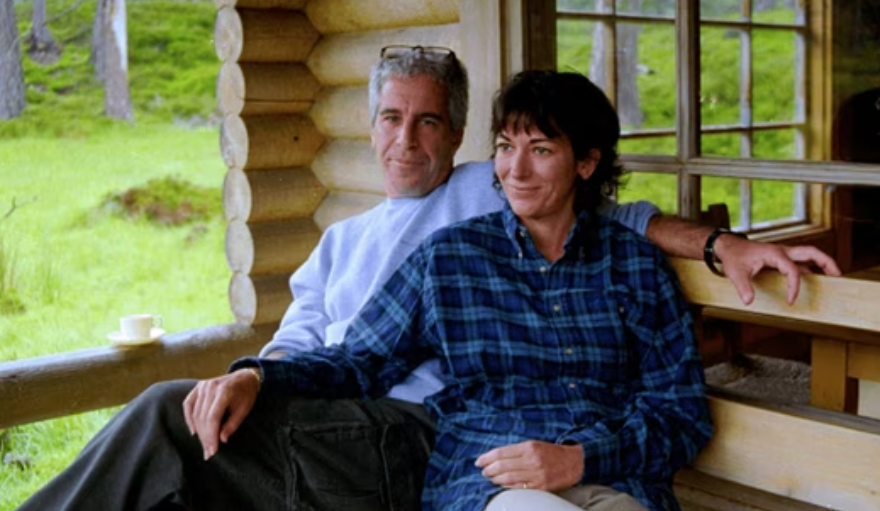
Ghislaine Maxwell, the former girlfriend and close associate of convicted sex offender Jeffrey Epstein, refused to answer questions from U.S. lawmakers on Monday, invoking her Fifth Amendment rights to avoid self-incrimination. The deposition, conducted via video call from the federal prison camp in Texas where Maxwell is serving a 20-year sentence for sex trafficking, marks a critical moment in congressional efforts to probe the network surrounding Epstein.
Lawmakers are intensifying their investigation into Epstein’s operations and seeking to identify individuals who may have facilitated his sexual abuse of underage girls over many years. Maxwell’s refusal to testify highlights the ongoing challenges faced by investigators in uncovering the full scope of Epstein’s criminal network and the possible involvement of high-profile figures.
Maxwell has previously sought to have her conviction overturned, arguing that she was wrongfully convicted. Despite these legal maneuvers, congressional authorities remain determined to gather information on how Epstein, a well-connected financier, was able to operate for so long without detection.
Several Democrats on the House Oversight Committee planned to review unredacted versions of Epstein’s files, recently released by the Department of Justice in compliance with a law passed by Congress last year. These documents are expected to provide new insights into Epstein’s operations and the potential roles of individuals close to him.
The deposition was pushed forward by Republican Rep. James Comer, chairman of the House Oversight Committee. Comer has been under pressure to hold the deposition as part of broader efforts to enforce subpoenas on prominent figures, including former President Bill Clinton and former Secretary of State Hillary Clinton. Following threats of contempt of Congress charges, both agreed to participate in depositions scheduled for later this month.
Maxwell’s decision to invoke the Fifth Amendment is consistent with previous statements from her attorneys, who have repeatedly informed lawmakers that she would not answer questions related to her involvement with Epstein. As congressional scrutiny intensifies, Maxwell remains a focal point in the ongoing effort to uncover the mechanisms that allowed Epstein’s abuse to continue largely unchecked for years.
With public attention fixed on the case, Maxwell’s deposition raises further questions about accountability, legal protections, and the limits of congressional investigations in high-profile criminal cases. Lawmakers and advocacy groups continue to push for transparency, emphasizing the importance of fully understanding the networks that enabled Epstein’s crimes.







 English
 Gujarati
 Hindi
Hindi Kannada
 Malayalam
 Marathi
 Punjabi
 Tamil
Tamil Telugu