



 India
India

As the clock ticks toward a crucial funding deadline, the United States is once again staring at the prospect of a government shutdown, potentially beginning early Friday morning. Lawmakers in Washington, DC, are scrambling to strike a deal to keep the government running, even as negotiations are complicated by political fallout from a fatal shooting in Minneapolis involving federal immigration agents.
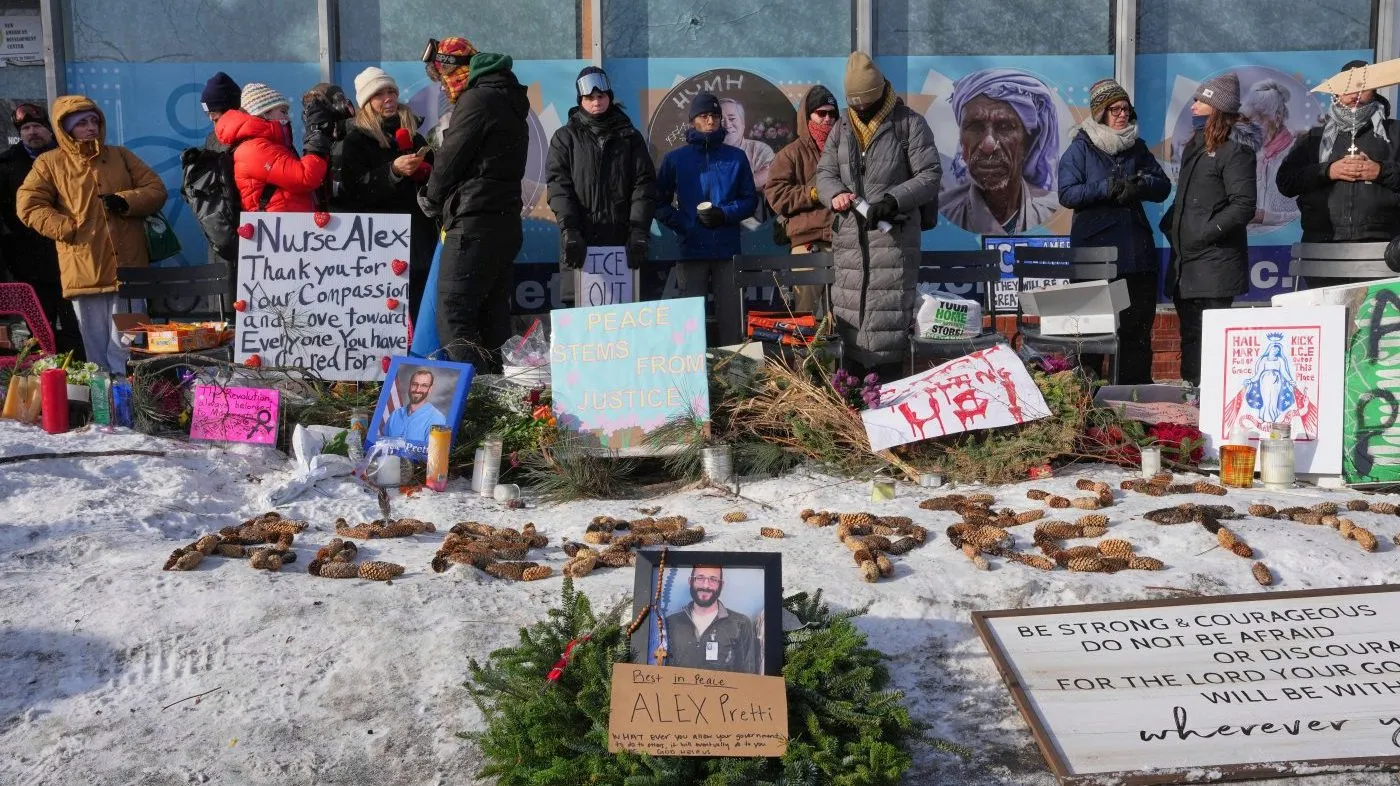
The latest standoff follows the death of Alex Pretti, who was shot during an encounter with federal immigration authorities in Minneapolis. The incident has intensified scrutiny of immigration enforcement practices and pushed Democrats to demand tighter oversight of the Department of Homeland Security (DHS). According to reports cited by the BBC, Democratic lawmakers are insisting that DHS funding be removed from a massive $1.2 trillion spending package unless new restrictions and accountability measures are introduced.
Despite the heightened tensions, signs of a breakthrough have emerged. US media reports suggest that the White House and Senate Democratic leaders are close to finalising a compromise aimed at averting a shutdown. Under the proposed arrangement, five out of six outstanding spending bills would be approved ahead of the deadline. Funding for the DHS, however, would be temporarily extended through a short-term measure, giving lawmakers additional time to debate new rules governing immigration agents, including proposals related to the use of face masks during operations.
If no agreement is reached, a partial US government shutdown could begin at one minute past midnight on Friday, January 30. This would mark the second shutdown in just a few months, underscoring the ongoing volatility surrounding budget negotiations in Congress.
Importantly, not all federal agencies would be affected in the event of a shutdown. Several departments have already secured funding through the end of the 2026 fiscal year, which concludes on September 30. Agencies such as the Department of Justice, the Federal Bureau of Investigation, and the Department of Veterans Affairs would continue operating normally, with no immediate disruption to services.
However, other major agencies tied to the same spending bill as the DHS would face operational challenges. These include the Department of Defense, Health and Human Services, the Treasury Department, and the federal court system. A prolonged shutdown could lead to delayed court proceedings, interruptions in medical and scientific research, and postponements in the release of key economic data, including labor statistics.
The Internal Revenue Service would also be impacted, potentially slowing tax return processing and delaying refunds for millions of Americans. The DHS itself oversees critical agencies such as Immigration and Customs Enforcement, Customs and Border Protection, the Secret Service, and the Coast Guard, making its funding a particularly sensitive issue.
While “essential” federal employees would be required to continue working during a shutdown, they would not receive pay until funding is restored, unless special arrangements are made. Similar measures were implemented during previous shutdowns, including under former President Donald Trump, when military personnel were later compensated retroactively.
As negotiations continue behind closed doors, the outcome remains uncertain, with both political accountability and government continuity hanging in the balance.






 English
 Gujarati
 Hindi
Hindi Kannada
 Malayalam
 Marathi
 Punjabi
 Tamil
Tamil Telugu