





 India
India

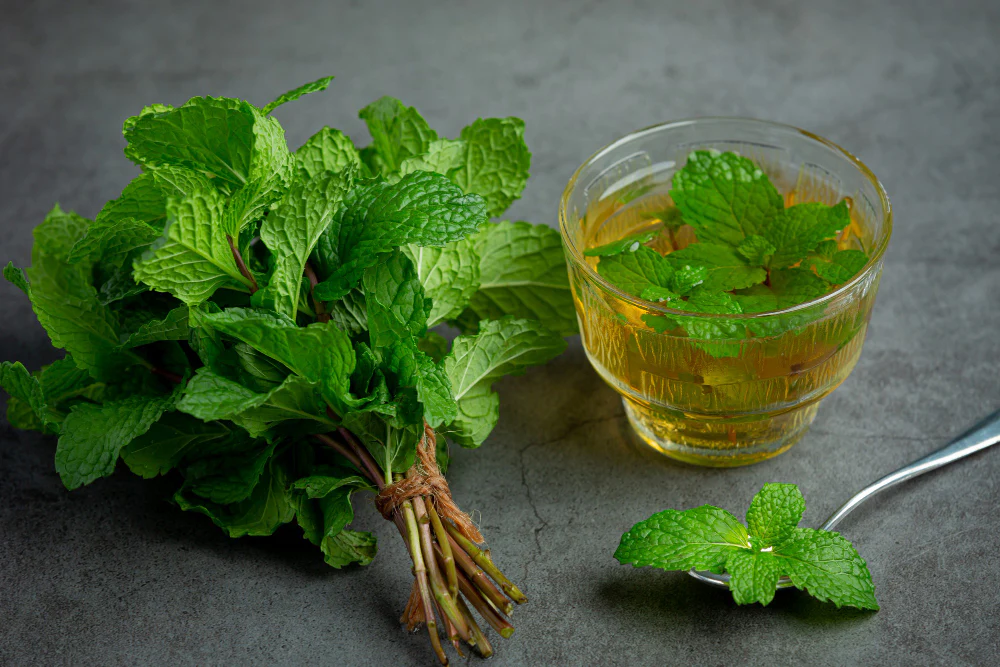
Living with polycystic ovary syndrome (PCOS) can be both physically and emotionally draining. Irregular periods, acne, hair fall, cramps and mood fluctuations are often rooted in hormonal imbalance and chronic inflammation, making everyday life feel overwhelming for many women. While medical treatment and lifestyle changes remain the foundation of PCOS management, gentle natural remedies can offer additional support when used mindfully.
Nutritionist Deepsikha Jain, who holds a Master’s degree in Global Public Health Nutrition from the UK and is a certified national diabetes educator, recently shared three herbal teas that may help women manage PCOS and PMS symptoms. In an Instagram video posted on December 9, 2025, she explained how these teas can support hormonal balance, reduce inflammation and relax muscle cramps.
Spearmint tea for hormonal balance
Spearmint tea is often recommended for women with PCOS due to its potential effect on androgen levels. According to Deepsikha, regular consumption of spearmint tea may help lower testosterone levels, which are often elevated in PCOS. Reduced testosterone may, in turn, help ease symptoms such as acne, excessive hair fall and hormonal fluctuations. Its refreshing taste also makes it an easy daily addition to a wellness routine.
Kalonji tea to calm inflammation
Chronic inflammation is a common underlying factor in PCOS. Deepsikha highlights kalonji, or black seed, as a powerful anti-inflammatory ingredient. Kalonji tea may help bring down inflammation in the body, supporting better hormonal regulation and overall metabolic health. When consumed consistently, it may aid in managing PCOS-related discomfort.
Ajwain tea for PMS cramps
Ajwain tea is traditionally known for its digestive and antispasmodic properties. Deepsikha explains that ajwain can help relax muscle contractions, making it especially useful for easing PMS cramps. Its calming effect on the muscles may provide relief during painful menstrual phases.
While these herbal teas are not a cure for PCOS, they can act as supportive tools alongside medical guidance, balanced nutrition and regular physical activity. As with any remedy, it is best to consult a healthcare professional before making significant changes to your routine.





 English
 Gujarati
 Hindi
Hindi Kannada
 Malayalam
 Marathi
 Punjabi
 Tamil
Tamil Telugu