
 India
India

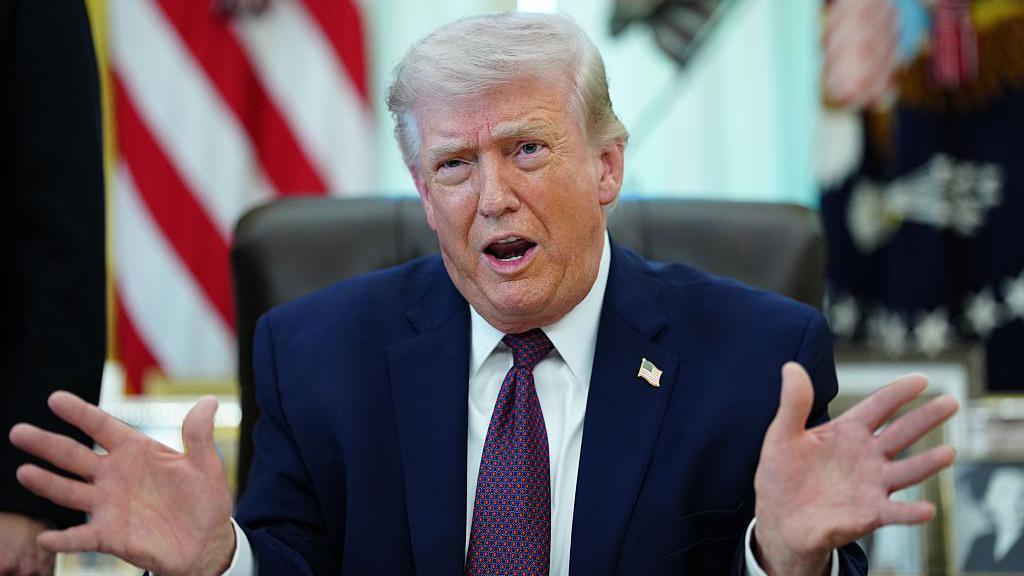
Iran has issued a stark warning of a potential global energy crisis following an aggressive statement by former US President Donald Trump regarding the reopening of the strategically crucial Strait of Hormuz. The waterway is one of the world’s most vital النفط transit routes, handling nearly a fifth of global oil shipments.
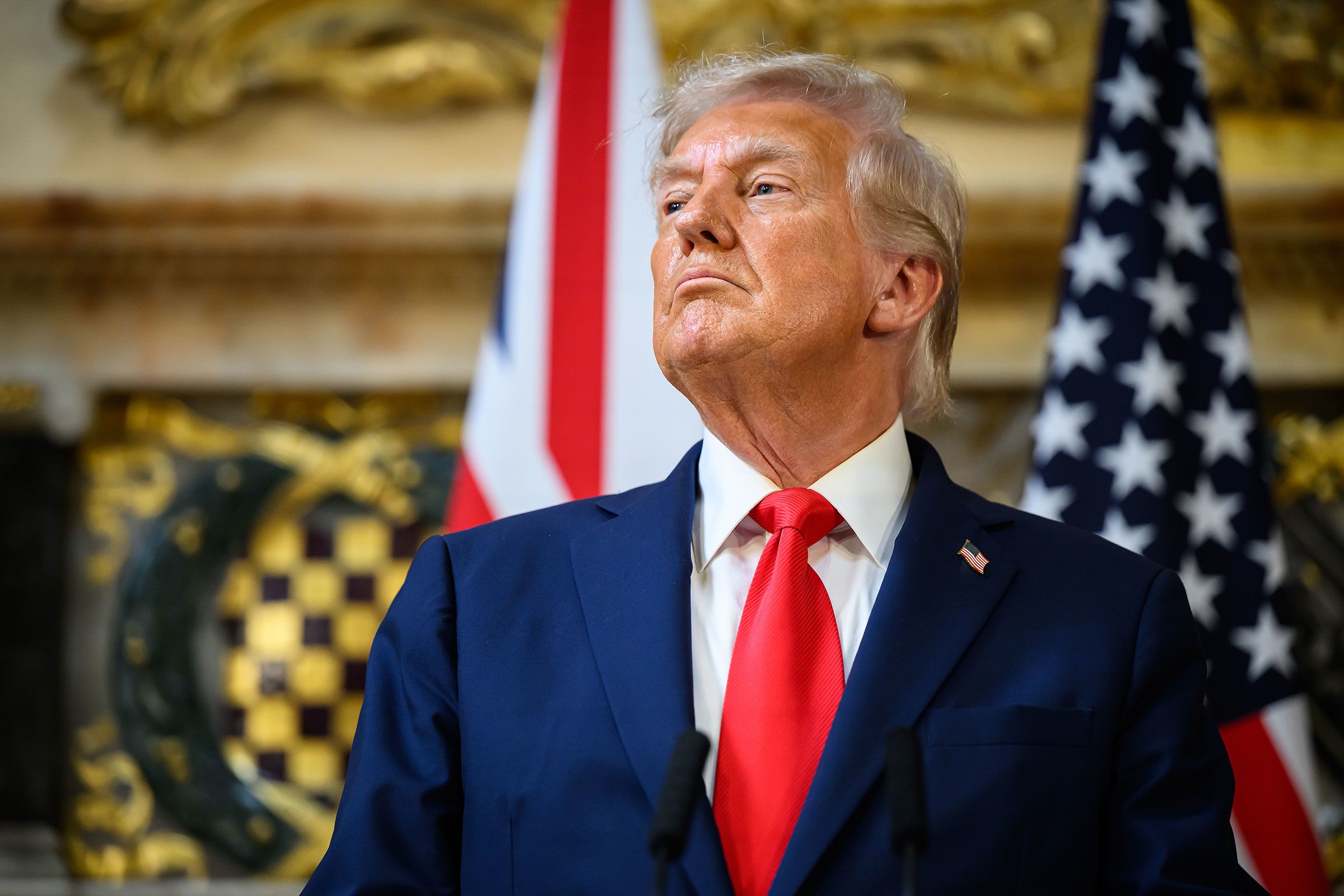
The escalation began after Trump warned that the United States could target Iran’s energy infrastructure if the strait was not reopened by a self-imposed Tuesday “deadline.” In a strongly worded social media post, he threatened large-scale strikes on Iranian power plants and bridges, demanding immediate compliance.
Responding sharply, Iran said that any such action would trigger widespread consequences beyond its borders. In a statement shared via its consulate in Hyderabad, Tehran warned that a so-called “power plant day” would be followed by a “power cut day” across the region. It further cautioned that the ongoing tensions could turn 2026 into an “oil and gas shortage year” for the entire world.
Iran also criticized Trump personally, calling him a threat to global peace and energy stability. The statement referenced the Twenty-fifth Amendment to the United States Constitution, suggesting concerns over leadership conduct during escalating geopolitical tensions.
The situation is particularly sensitive due to Iran’s current control over passage through the Strait of Hormuz. While Tehran has indicated that the route remains open to friendly nations—including major Asian economies like India and China, as well as several European countries—it has restricted access for adversaries, contributing to volatility in global energy markets.
Meanwhile, tensions have been further inflamed by recent military developments. A US rescue operation successfully retrieved a pilot after an American fighter jet was downed, a move that Iran acknowledged but used as an opportunity to intensify its information campaign. Iranian diplomatic missions across the globe launched coordinated social media responses, mocking US actions and leadership.
Several posts referenced the failed Operation Eagle Claw, drawing parallels between past and present US military efforts. The messaging ranged from sarcastic remarks to direct criticism of Trump’s language and leadership style.

As rhetoric sharpens on both sides, concerns are mounting over the potential disruption of global oil supply chains. Any prolonged instability in the Strait of Hormuz could have far-reaching consequences, impacting fuel prices, economic stability, and energy security worldwide.

 English
 Gujarati
 Hindi
Hindi Kannada
 Malayalam
 Marathi
 Punjabi
 Tamil
Tamil Telugu