





 India
India

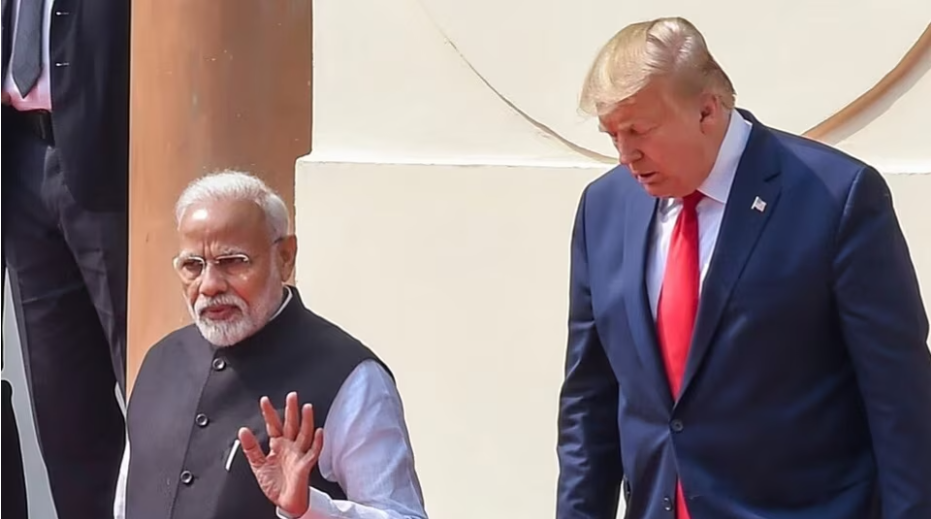
The US Senate’s move to advance tougher sanctions against Russia and countries buying its energy could create fresh risks for global crude markets and put additional pressure on India’s energy security, according to Kpler analyst Sumit Ritolia.
The bipartisan sanctions legislation, passed by the US Senate on Friday, would give President Donald Trump the authority to impose tariffs of up to 100 per cent on imports from countries that are among the biggest purchasers of Russian oil and gas. The proposed measure, known as the Lindsey O. Graham Sanctioning Russia Act of 2026, is aimed at reducing Moscow’s revenues from energy exports and increasing economic pressure on Russia over its war in Ukraine.
However, the legislation has yet to become law. It must still clear the US House of Representatives and go through additional legislative and administrative procedures. Its eventual impact will also depend on how aggressively the Trump administration chooses to implement the measures, including whether exemptions or waivers are granted.
Ritolia said the immediate impact on Russian oil flows to India and China may remain limited because policymakers are likely to consider the risks of disrupting physical crude supplies.
“Recent experience suggests that when physical supply security becomes a concern, policymakers retain an incentive to avoid measures that could unnecessarily disrupt crude availability,” Ritolia said.
The timing of any sanctions-related restrictions could nevertheless be critical. Global crude markets remain relatively tight, while uncertainty surrounding Middle Eastern oil supplies has increased the importance of alternative sources of crude.
A significant reduction in Russian oil exports could therefore tighten the global market instead of simply redirecting Russian barrels to other buyers. If supplies to major Asian customers are curtailed rapidly, refiners could struggle to secure replacement volumes in the short term, potentially driving crude prices higher.

India is particularly exposed because its dependence on Russian crude has increased dramatically since Russia invaded Ukraine in February 2022. Western sanctions and the withdrawal of several European buyers initially pushed Russian producers to offer substantial discounts to Asian refiners, making Russian crude increasingly attractive to Indian companies.
According to US Energy Information Administration data, Russia supplied less than 100,000 barrels per day to India in 2021, accounting for around 2.5 per cent of the country’s crude imports. That figure climbed to approximately 740,000 barrels per day in 2022 and nearly 1.8 million barrels per day in 2023. Russia subsequently became India’s largest crude supplier, accounting for about 39 per cent of imports that year.
Kpler data indicate that the dependence has increased further. Indian refiners imported a record 2.8 million barrels per day of Russian crude in July 2026, representing roughly 55.5 per cent of India’s total crude imports of slightly more than 5 million barrels per day.
This compares with an average of around 1.8 million barrels per day of Russian crude imports in 2024, according to Kpler-based data.
Ritolia said Russian crude has effectively become an important supply hedge for Indian refiners, helping them reduce exposure to potential disruptions along traditional Middle Eastern supply routes.
The importance of Russian supplies became particularly visible during periods of heightened geopolitical tensions in the Middle East. Temporary flexibility in US sanctions had previously allowed Russian crude to continue reaching Indian buyers despite broader restrictions.
Replacing Russian crude at current volumes would be extremely difficult in the short term, Ritolia said. A sudden reduction in Russian supplies to India and other major Asian buyers could consequently tighten global oil balances and increase upward pressure on crude prices.
For India, the impact could extend beyond higher refinery procurement costs. More expensive crude could increase the country’s overall oil import bill, put additional pressure on the current account and raise concerns about energy security.
The key issue, according to Ritolia, is therefore not simply whether Russian crude can be redirected to other markets. The bigger question is whether enough alternative supplies exist to replace Russian barrels without significantly tightening global oil markets.
If the sanctions legislation ultimately results in a substantial reduction in Russian crude flows, India could face a difficult balancing act between maintaining affordable energy supplies, protecting refiners from higher input costs and managing its wider economic exposure to elevated global oil prices.






 English
 Gujarati
 Hindi
Hindi Kannada
 Malayalam
 Marathi
 Punjabi
 Tamil
Tamil Telugu