
 India
India

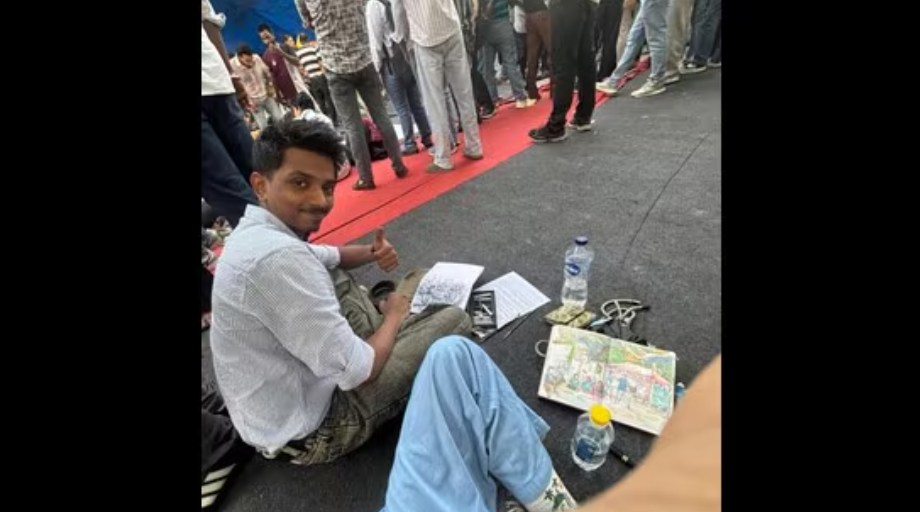
The political confrontation between the Narendra Modi government and the Opposition is set to intensify as Parliament’s Monsoon Session resumes on Monday. While the Centre is preparing to introduce a tougher anti-paper leak law, the Congress-led INDIA bloc is expected to raise questions over the alleged use of force against protesters during the July 20 “Sansad Chalo” march organized by the Cockroach Janta Party (CJP).
The issue has gained renewed attention following the resignation of former Union Education Minister Dharmendra Pradhan. However, Opposition leaders have indicated that their focus is now shifting toward Home Minister Amit Shah, whom they hold accountable for the police response to the student-led demonstrations in New Delhi.
Leader of Opposition Rahul Gandhi has emerged as the most vocal critic of the government’s handling of the protest. Speaking after Pradhan’s exit from the Cabinet, Gandhi alleged that several demonstrators suffered serious injuries during the police action. He claimed that some protesters sustained broken bones and severe injuries, while raising concerns about reports that pellet guns may have been used against students.
On Sunday, Gandhi wrote a letter to Amit Shah seeking answers regarding the alleged use of force. The Congress leader referred to a 19-year-old student, Sahil Lochab, who he claimed suffered a serious eye injury during the protest. Gandhi asked whether the Home Minister had approved the deployment of pellet guns or other forms of force against demonstrators and demanded clarification on the identity of individuals seen allegedly beating students while dressed in plain clothes.
The issue is also expected to be raised in the Rajya Sabha. Trinamool Congress leader Sagarika Ghose has submitted a notice under Rule 267 seeking a discussion on the alleged use of “lethal and semi-lethal force” against protesters. INDIA bloc parties are expected to coordinate their strategy in both Houses of Parliament.
Delhi Police has denied allegations that pellet guns were used during the protest. Meanwhile, the Central Reserve Police Force (CRPF), which oversees the Rapid Action Force (RAF), has not publicly responded to specific claims regarding pellet gun injuries.
Amid the political controversy, the government is moving ahead with major reforms aimed at preventing examination malpractice. Minister of State Jitendra Singh is expected to introduce the Public Examinations (Prevention of Unfair Means) Amendment Bill, 2026, in the Lok Sabha.
The proposed legislation significantly increases penalties for paper leaks and examination fraud. Under the bill, individuals convicted of exam-related offenses could face prison terms ranging from five to ten years, with fines reaching ₹50 lakh. Service providers involved in irregularities could be fined up to ₹5 crore and face blacklisting for up to eight years.
The bill also proposes harsher punishment for organized paper leak networks, including minimum prison sentences of seven years and fines starting at ₹10 crore. To ensure quicker justice, investigations would be required to conclude within two months, while special fast-track courts would be mandated to complete trials within three months of chargesheets being filed.
Adding to the government’s challenges, Union Road Transport Minister Nitin Gadkari is facing growing criticism from some groups over concerns related to E20 ethanol-blended fuel. Activists and social media campaigns have announced plans for a separate protest in Delhi on July 31, creating another potential flashpoint for the government.
With the Opposition preparing to press the government over police action and the Centre focusing on exam reform legislation, Monday’s Parliament session is expected to witness heated debates and significant political confrontation.


 English
 Gujarati
 Hindi
Hindi Kannada
 Malayalam
 Marathi
 Punjabi
 Tamil
Tamil Telugu