
 India
India

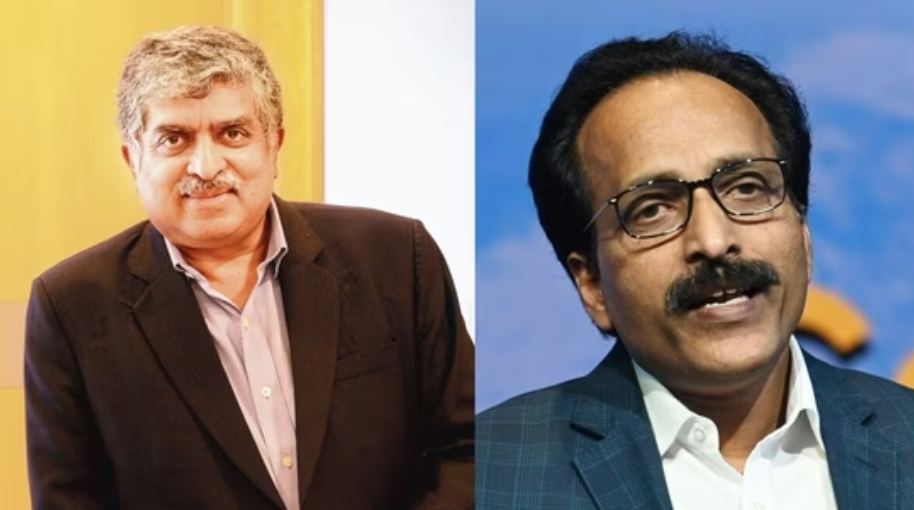
Prime Minister Narendra Modi on Sunday announced the formation of a high-powered task force headed by Infosys co-founder Nandan Nilekani to spearhead comprehensive reforms in India’s examination system. The move comes amid growing concerns over alleged paper leaks and examination irregularities that have triggered student protests in several parts of the country.
The newly constituted panel is expected to play a crucial role in revamping the National Testing Agency (NTA) examination process. According to government sources, the committee will bring together experts from diverse fields, including technology, education, intelligence, logistics, and public administration, to recommend measures that can make national examinations more secure, transparent, and efficient.
The task force will be chaired by Nandan Nilekani, widely known for his contributions to India’s digital infrastructure. Other members include former ISRO Chairman S. Somnath, former Intelligence Bureau Director Tapan Deka, IIT Madras Director V. Kamakoti, former Education Secretary Anita Karwal, and logistics expert Amrit Lal Meena.
The committee has been tasked with recommending immediate measures to secure upcoming examinations while also developing a long-term roadmap for structural reforms. A key focus area will be the adoption of advanced technologies to strengthen examination processes, enhance transparency, and build a future-ready testing ecosystem capable of preventing leaks and malpractice.
In a video message, Prime Minister Modi said that while the government has already announced plans to establish fast-track courts for cases related to examination irregularities, broader reforms are necessary to restore public confidence in the system. He noted that the task force would look beyond short-term fixes and work on creating a comprehensive framework for examination reforms across the country.
The announcement comes just a day before the Union government is expected to introduce legislation in Parliament that would impose stricter penalties for those involved in paper leaks. The proposed law reportedly includes harsher punishments and fines of up to ₹10 crore for offenders.
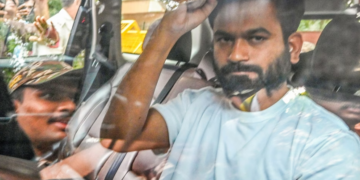
The development also follows significant changes within the Education Ministry. Union Education Minister Dharmendra Pradhan resigned from the Council of Ministers after weeks of protests led by Abhijeet Dipke’s Cockroach Janta Party (CJP). The resignation marks a rare instance in which sustained public protests have resulted in the exit of a Union minister during the NDA government’s tenure.

Following the resignation, Union Consumer Affairs Minister Pralhad Joshi was assigned additional responsibility for the Education Ministry. On Sunday, Joshi formally assumed charge at Kartavya Bhavan and conducted a review meeting covering key schemes and initiatives under both the Department of School Education and the Department of Higher Education.
With the formation of the expert panel and the proposed legislative changes, the government is signaling a major push to restore credibility to India’s examination system and address concerns surrounding examination integrity.


 English
 Gujarati
 Hindi
Hindi Kannada
 Malayalam
 Marathi
 Punjabi
 Tamil
Tamil Telugu