




 India
India

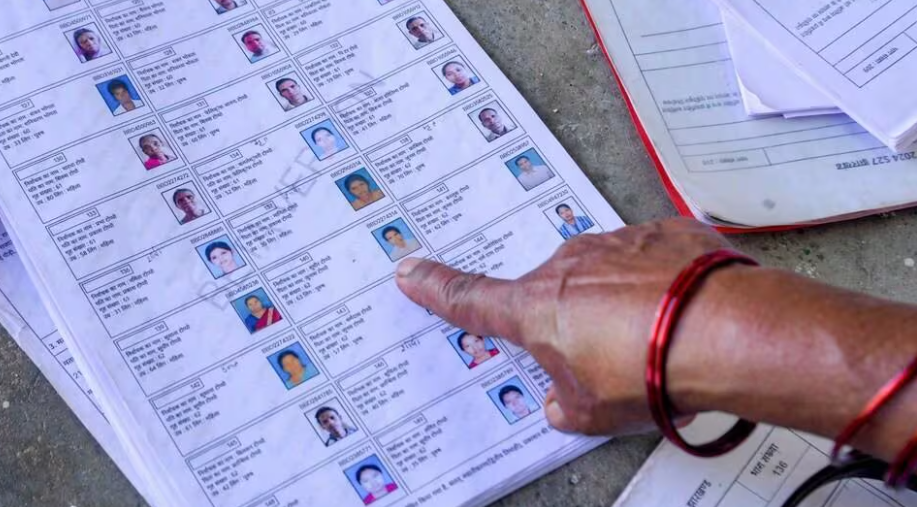
The Election Commission of India (ECI) has directed electoral registration officers to provide recognised political parties with searchable PDF copies of draft and final electoral rolls for every polling station, marking a significant step towards improving access to digital voter records. The electronic copies will exclude voters’ photographs, while parties will also receive hard copies of the electoral rolls free of cost.
Issued on October 15, the directive applies to the Special Summary Revision (SSR) of electoral rolls across 17 states and Union Territories. Under the order, electoral registration officers (EROs) must supply each recognised political party with two copies of the electoral roll for every polling station: one hard copy and one soft copy in a readable PDF format.
The Commission has also instructed officials to share records detailing additions, deletions and modifications made to voter lists. These records are intended to help political parties monitor changes in electoral rolls and scrutinise entries at the polling-station level.
According to the ECI, the directive is in accordance with Rules 11(c) and 22(c) of the Registration of Electors Rules, 1960. The order specifies that the copies must be provided free of cost immediately after the publication of the draft and final electoral rolls.
Searchable Voter Lists to Improve Scrutiny
The directive addresses a key limitation in the existing system of accessing electoral rolls. The Election Commission has traditionally made voter lists available as scanned PDF images, which can make it difficult to search for individual names, identify duplicate entries or analyse changes across large volumes of data.
Searchable PDFs, by contrast, allow users to locate names and examine records more efficiently. The move could help recognised political parties verify voter entries, compare electoral data and identify discrepancies at individual polling stations.
The exclusion of voters’ photographs from the digital copies is a notable feature of the order. The directive specifies that the searchable electronic versions will not contain photographs, while requiring officials to provide the electoral rolls in a readable format.

The development comes amid continuing political debate over the transparency of electoral roll revisions. Opposition parties, particularly the Congress, have previously called for machine-readable voter data, arguing that access to such information would enable independent scrutiny of electoral records and help identify potential irregularities.
Congress Has Previously Demanded Machine-Readable Electoral Rolls
The debate over searchable voter lists dates back several years. In 2018, Congress leader Kamal Nath approached the Supreme Court seeking voter lists in text format ahead of the Madhya Pradesh Assembly elections. The demand was aimed at helping identify duplicate and potentially bogus entries in the electoral rolls.
At the time, the Election Commission opposed the demand for searchable PDFs, citing concerns over voter privacy and the possibility of data mining.
The issue resurfaced in June 2025, when Rahul Gandhi and Congress president Mallikarjun Kharge sought consolidated, digital and machine-readable voter rolls for the 2024 Lok Sabha elections and the Maharashtra Assembly elections. The Congress also demanded version histories and timestamps documenting changes made to electoral records.
In addition, the party sought CCTV footage or videography from polling booths after 5 pm on election day, raising questions about the increase in final voter turnout figures. The party argued that access to the relevant data would allow it to conduct its own analysis.
The Election Commission rejected the allegations as unsubstantiated and maintained that recognised political parties had received electoral rolls during the regular revision process. It also argued that the demand for machine-readable voter lists was not tenable under the existing framework at the time.
ECI Directive Puts Focus on Electoral Transparency
The latest order establishes a requirement for electoral registration officers to provide recognised political parties with searchable digital copies alongside physical voter lists and records of changes. By making electoral data easier to search and analyse, the directive could facilitate closer scrutiny of voter registrations and revisions.
However, the order does not, by itself, resolve the broader political debate over electoral transparency, voter privacy and the verification of electoral records. Its implementation across the 17 states and Union Territories covered by the Special Summary Revision will be important in determining how effectively political parties can access and examine the information.
The directive represents a change in the format of voter data being supplied to recognised political parties, bringing renewed attention to the role of accessible digital records in the electoral process.






 English
 Gujarati
 Hindi
Hindi Kannada
 Malayalam
 Marathi
 Punjabi
 Tamil
Tamil Telugu