





 India


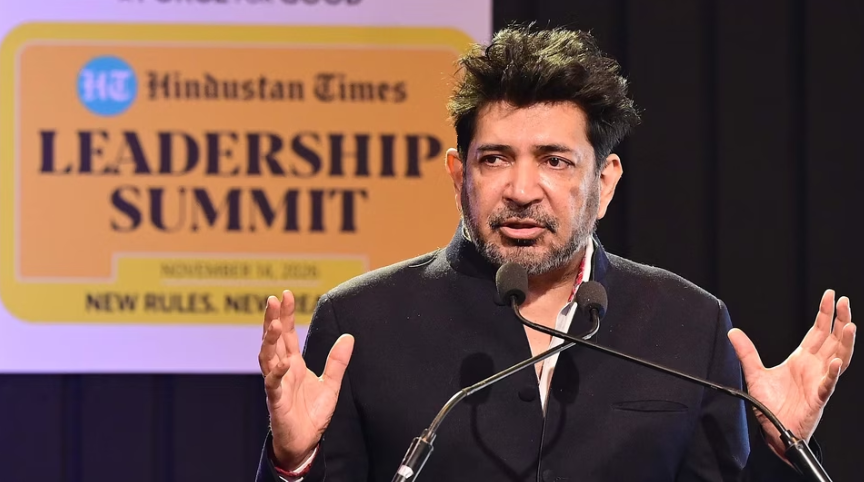
Artificial intelligence (AI) is rapidly transforming industries across the world, but its most important test could lie in the field of medicine. Renowned oncologist, author and entrepreneur Siddhartha Mukherjee believes that the true success of the AI revolution should be measured by its ability to make medicines faster to develop, more affordable and more effective for patients.
Speaking at the Hindustan Times Leadership Summit on Saturday, November 14, Mukherjee stressed that AI must deliver meaningful improvements in drug discovery and healthcare. He warned that if artificial intelligence fails to transform the pharmaceutical industry, it would represent a major failure of the technology revolution.
“If it’s not true that medicines become faster, cheaper, better, then we have failed the AI revolution,” Mukherjee said.
Mukherjee, who is the co-founder and chief executive of drug-discovery company Manas AI, highlighted the growing challenges facing the pharmaceutical industry. According to him, the number of medicines receiving approval over time has been declining, while the cost of developing each new medicine continues to rise.
This troubling trend is known among drug researchers as Eroom’s Law, a term derived from Moore’s Law written backwards. It describes the declining productivity of pharmaceutical research despite advances in technology, scientific knowledge and investment.
Mukherjee believes artificial intelligence could help reverse this pattern and significantly improve the way new medicines are discovered and developed.
Why AI Could Transform Drug Discovery
Explaining the science behind drug development, Mukherjee compared medicines to keys that fit specific locks inside the human body. In this analogy, proteins act as locks, while medicines function as keys that bind to particular targets to produce a desired biological effect.

He cited commonly used medicines such as aspirin, Lipitor and Tylenol to explain how drugs interact with biological targets.
However, identifying the right chemical compound for a particular protein is an enormously complicated task. Mukherjee explained that the number of possible small-molecule drugs is estimated at around 10 to the power of 24, making it practically impossible to test every possible chemical combination using conventional approaches.
Modern drug discovery, therefore, focuses on identifying the biological target, understanding its structure and locating the precise binding site, which Mukherjee described as the protein’s “keyhole”. Scientists can then design chemical compounds capable of fitting that specific site.
At Manas AI, this process combines artificial intelligence with what Mukherjee calls “medicinal intelligence”. While AI uses neural networks to identify patterns and generate potential solutions, medicinal intelligence incorporates the fundamental principles of physics and chemistry to ensure that proposed compounds follow the rules of the natural world.
AI Can Reduce Years of Drug Research to Hours
To demonstrate the potential of this technology, Mukherjee referred to daraxonrasib, an experimental pancreatic cancer drug. He said that identifying the relevant binding site had taken a human researcher approximately 10 years, whereas the company’s algorithm was able to identify it in just two hours.
According to Mukherjee, this dramatic reduction in the time required for a specific research task illustrates how AI can accelerate the early stages of drug discovery.
He also explained Manas AI’s design-make-test approach, through which the company works with chemical manufacturing partners in China.
The company reportedly sends between 50 and 100 proposed chemical compounds every three weeks to these partners for testing. The experimental results are returned in approximately another three weeks. The AI model then learns from the new data and uses the findings to improve the next batch of proposed compounds.
This repeated process of designing, manufacturing and testing molecules allows researchers to refine potential drug candidates through successive experimental cycles.
Mukherjee believes that accelerating this process could help reduce development timelines and make pharmaceutical research more productive.
India Has a Historic Opportunity in AI and Healthcare
Beyond the technological possibilities, Mukherjee highlighted India’s potential to become a major force in the future of medicine.
He argued that India and China are particularly well-positioned to reverse the declining productivity of drug development, provided they introduce appropriate regulatory and technological reforms.
“Of all countries in the world, China and I truly believe India, with appropriate regulatory and technological reform, can reverse the trend,” he said.
He described the opportunity as historic, suggesting that India’s scientific talent, technological capabilities and growing healthcare ecosystem could help the country emerge as a global centre for next-generation drug discovery.
However, achieving this ambition will require stronger research infrastructure, supportive regulations, technological investment and closer collaboration between scientists, pharmaceutical companies and healthcare institutions.
Immuneel Shows India’s Progress in Advanced Cancer Treatment
Mukherjee also highlighted India’s progress in advanced cancer treatment through Immuneel, a cell-therapy company he launched approximately three years ago in Bengaluru in collaboration with entrepreneur Kiran Mazumdar-Shaw.
The company focuses on cell-based cancer therapies, including treatments that use a patient’s own immune cells to fight cancer.
Explaining the process, Mukherjee said doctors extract T cells from a patient and modify them in a laboratory to strengthen their ability to recognise and attack cancer cells. These cells are then multiplied over a period of approximately 10 to 12 days before being infused back into the patient.
Such therapies are being used to treat blood cancers, including leukaemia and lymphoma, and are also being extended to multiple myeloma.
Mukherjee described these treatments as potentially curative and highlighted their significance for Indian patients, noting that this category of advanced cell therapy was previously unavailable in the country.
The Future of Medicine Will Depend on AI’s Real-World Impact
Mukherjee’s message at the summit was clear: artificial intelligence should not be judged only by its ability to generate information, automate tasks or improve digital services. Its most significant contribution could be its ability to change how diseases are treated and how medicines reach patients.
If AI can reduce the time and expense involved in developing new drugs while improving their effectiveness, it could reshape the global pharmaceutical industry and expand access to life-saving treatments.
For India, the opportunity goes beyond adopting new technology. It could become a chance to build a stronger pharmaceutical research ecosystem, accelerate innovation and make advanced treatments more accessible.
Ultimately, Mukherjee believes that the real measure of the AI revolution will be found not in the sophistication of algorithms but in the medicines they help create and the lives they improve.





 English
 Gujarati
 Hindi
 Kannada
 Malayalam
 Marathi
 Punjabi
 Tamil
 Telugu