


 India


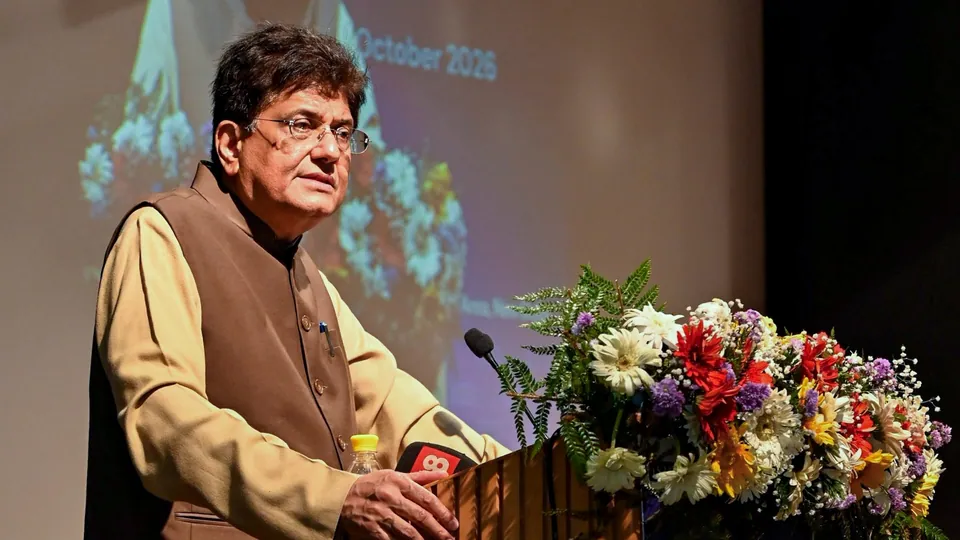
Union Minister for Commerce and Industry Piyush Goyal has called for taking India’s traditional art, culture and handicrafts to international markets, arguing that greater global exposure could create new economic opportunities for local artisans and strengthen India’s cultural footprint worldwide.
Speaking at an event in Delhi on Friday, October 30, Goyal recalled the controversy surrounding luxury fashion brand Prada’s use of Kolhapuri-style footwear in 2025, describing the episode as an example of how international attention could translate into commercial benefits for Indian craftspeople.
Goyal said the government had raised objections through its copyright office after Prada showcased sandals resembling traditional Kolhapuri chappals without initially establishing a formal association with the artisans behind the craft.
“We had raised an objection through our copyright office and stopped Prada. Prada was then forced to engage with Kolhapuri shoemakers. They reached an understanding that also provides commercial benefits to our people,” Goyal said.
The minister emphasised that India’s traditional crafts, handlooms, handicrafts, history and cultural heritage deserve greater recognition in international markets. He argued that India must adopt a more outward-looking approach instead of limiting its cultural and commercial ambitions to domestic audiences.
“As our global presence is still limited. Greater international exposure for Indian art, culture, handicrafts, handlooms, history and traditions will benefit the country. We should be more outward-looking and take our art and culture global,” he added.
Prada-Kolhapuri Controversy Put Indian Craftsmanship In Global Spotlight
The controversy erupted in June 2025 when Prada showcased open-toe leather sandals featuring toe-ring designs resembling traditional Indian Kolhapuri chappals at a fashion show in Milan, Italy.

The collection triggered widespread criticism and allegations of cultural appropriation, with concerns that the luxury fashion house had drawn inspiration from an established Indian handicraft tradition without adequately acknowledging its origins.
Kolhapuri chappals, known for their distinctive leather craftsmanship and traditional designs, received a Geographical Indication (GI) tag in 2019, recognising their regional identity and heritage.
Following the backlash, Prada entered into agreements with government-backed leather artisan bodies, including Maharashtra’s Leather Industries Development Corporation (LIDCOM) and Karnataka’s Leather Industries Development Corporation (LIDKAR).
The engagement opened the possibility of bringing traditional Indian craftsmanship into the international luxury fashion market while creating commercial opportunities for local shoemakers.
Goyal cited the episode to underline how protecting India’s cultural heritage and creating international partnerships could work together to benefit traditional industries.
Goyal Urges Young Entrepreneurs To Build Global Brands
Beyond cultural exports, Goyal also called on young Indian entrepreneurs to look beyond the domestic market and build businesses capable of competing internationally.
He said India’s next phase of economic transformation would depend on young entrepreneurs with a global outlook, an appetite for innovation and the ambition to establish world-class brands.
Highlighting India’s expanding startup ecosystem, growing manufacturing capabilities and free trade agreements (FTAs), the minister said the country was increasingly positioned to integrate with global value chains.
In a social media post, Goyal said, “India’s next phase of economic transformation must be driven by young entrepreneurs who look beyond the domestic market and aspire to build world-class brands. With our expanding startup ecosystem, manufacturing capabilities, FTAs and deeper integration with global value chains, India offers immense opportunities for young Indians to create globally competitive enterprises and generate employment”.
He further stressed the importance of maintaining international quality standards, developing industry-relevant skills and adopting an export-oriented business approach.
Encouraging young business leaders to take calculated risks, Goyal said Indian enterprises must develop the capabilities to compete in international markets rather than remain restricted to domestic opportunities.
His remarks highlight the government’s broader emphasis on strengthening India’s manufacturing and export ecosystem while positioning the country’s cultural heritage as an economic asset.



 English
 Gujarati
 Hindi
 Kannada
 Malayalam
 Marathi
 Punjabi
 Tamil
 Telugu