

 India
India

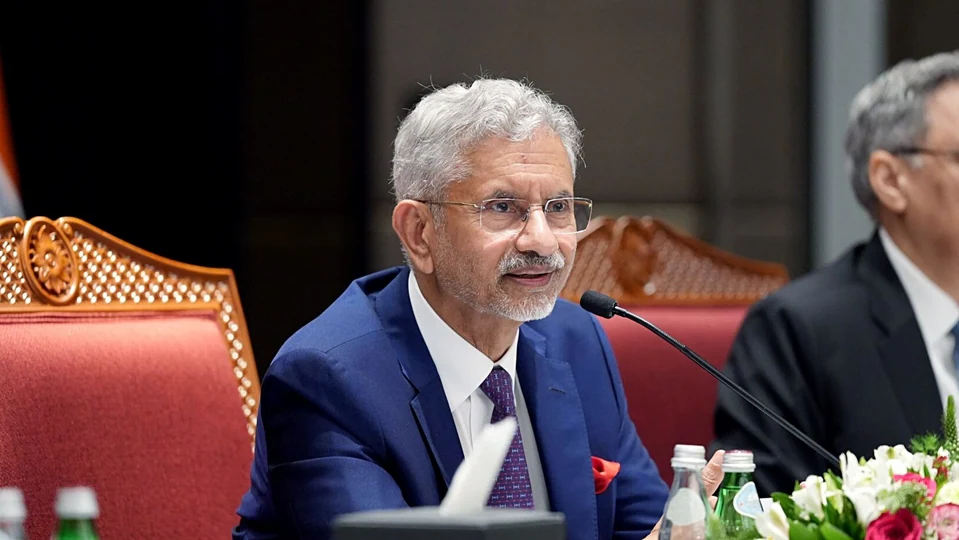
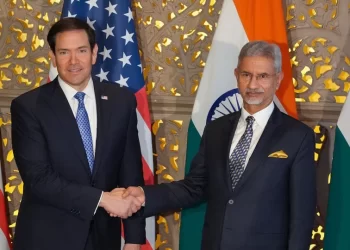
External Affairs Minister S. Jaishankar has downplayed the significance of the newly signed Makkah Joint Defence Agreement between Pakistan, Saudi Arabia and Türkiye, questioning the practical impact of the pact amid ongoing military challenges faced by the three countries.
Speaking at an event in New Delhi, Jaishankar said the agreement’s relevance should be judged by its response to the security situations confronting its signatories.
“There are live military situations which each of the signatories face. What has the Makkah pact done in response to that?” he remarked when asked about India’s reaction to the agreement.
At the same time, Jaishankar made it clear that India would closely monitor the development and include it in its broader strategic assessment. He noted that any action involving countries that are not friendly towards India would naturally be taken into account.
“In my calculus, everything counts, everything will have a weight,” he said, adding that some developments require time before their full implications become clear.
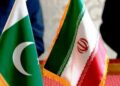
The Makkah Joint Defence Agreement was signed on August 7 following discussions between Pakistan Prime Minister Shehbaz Sharif, Saudi Crown Prince Mohammed bin Salman, and Turkish President Recep Tayyip Erdogan. According to a joint statement issued by the three countries, the pact is designed to strengthen collective deterrence and defence cooperation.
The agreement states that an armed attack against any one of the three countries would be considered an attack against all, effectively creating a framework for mutual defence and expanded military collaboration.

Earlier, the Ministry of External Affairs (MEA) had said it was examining the implications of the agreement from the standpoint of India’s national security and regional stability. MEA spokesperson Randhir Jaiswal stated during a recent media briefing that New Delhi was assessing the pact’s potential ramifications while continuing to monitor developments across West Asia.
During the same interaction, Jaishankar also described Pakistan as a “unique” country due to what he called its sustained use of terrorism as a tool of state policy against a neighbour. On India-China relations, he said both nations have an interest in maintaining stable ties, though the state of the border remains a key factor in shaping the broader relationship. He added that India must continue engaging economically with the world, including China, while confidently safeguarding its national interests.
site-verification-ok


Ray ID: 8f3a2c1b9d4e5f6a · Performance & security by Cloudflare
site-verification-ok
Ray ID: 8f3a2c1b9d4e5f6a · Performance & security by Cloudflare
site-verification-ok

 English
 Gujarati
 Hindi
Hindi Kannada
 Malayalam
 Marathi
 Punjabi
 Tamil
Tamil Telugu