

 India
India

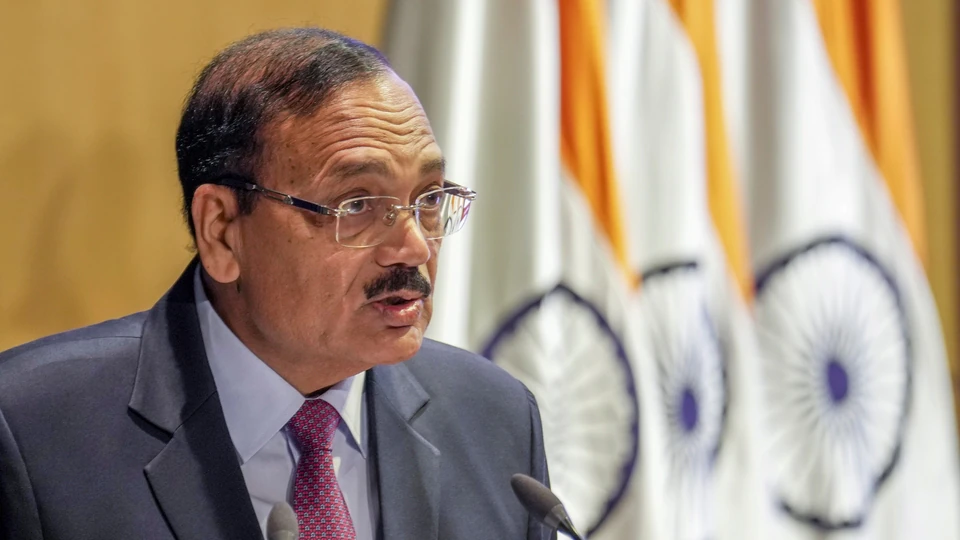
The Bar Council of India (BCI) on August 13 withdrew its earlier directive that had temporarily halted the enrolment of all 2026 graduates of NALSAR University of Law, Hyderabad. The decision came just hours after the BCI instructed State Bar Councils across the country not to enrol any student from the graduating batch pending an inquiry into a campaign opposing Chief Justice of India (CJI) Surya Kant’s proposed participation in the university’s convocation ceremony.
The initial order triggered widespread concern within legal circles, as it effectively placed the professional future of an entire graduating batch on hold. However, in a late-evening communication, BCI Chairman Manan Kumar Mishra announced that the Council had reconsidered the matter and unanimously agreed that the majority of NALSAR students were not involved in any attempt to disrespect the office of the Chief Justice of India.
The revised order stated that all 2026 graduates of NALSAR would be free to seek enrolment with State Bar Councils of their choice. The BCI emphasized that innocent students should not face adverse consequences for actions allegedly carried out by a limited number of individuals.
Despite lifting the enrolment restriction, the BCI has decided to continue its inquiry into the controversy. According to the Council, reports received from various sources suggest that a small group of faculty members and external actors may have played a role in encouraging students to oppose the CJI’s participation in the convocation. The Council is now awaiting a detailed report from the university’s Vice-Chancellor before deciding on any further action.
The original order had sought extensive information from NALSAR, including details of individuals who initiated or coordinated the campaign, student representations, social media activity, meetings, and any calls for boycott or disruption. It also requested information regarding the involvement of faculty members, alumni, research scholars, student organizations, and outsiders.
Legal experts questioned the validity of the initial directive, pointing out that the Advocates Act, 1961 provides for individual assessment of eligibility and disqualification for enrolment rather than blanket restrictions on an entire graduating class. They argued that the BCI’s supervisory powers do not extend to creating new grounds for disqualification or indefinitely suspending enrolment without statutory authority.
The controversy originated after a section of NALSAR students objected to the proposed invitation extended to CJI Surya Kant as chief guest for the university’s convocation. The first representation, submitted on July 23 and signed by around 70 members of the outgoing LLB batch, raised concerns over remarks made by the CJI during Supreme Court proceedings related to alleged police action against student protesters in Delhi. Several other batches later expressed solidarity with the representation.

While the enrolment freeze has now been lifted, the episode has sparked a wider debate about academic freedom, student dissent, institutional autonomy, and the relationship between legal education institutions and the judiciary. The outcome of the BCI’s ongoing inquiry is expected to determine whether any further action is taken against individuals allegedly involved in the campaign.


 English
 Gujarati
 Hindi
Hindi Kannada
 Malayalam
 Marathi
 Punjabi
 Tamil
Tamil Telugu