


 India
India

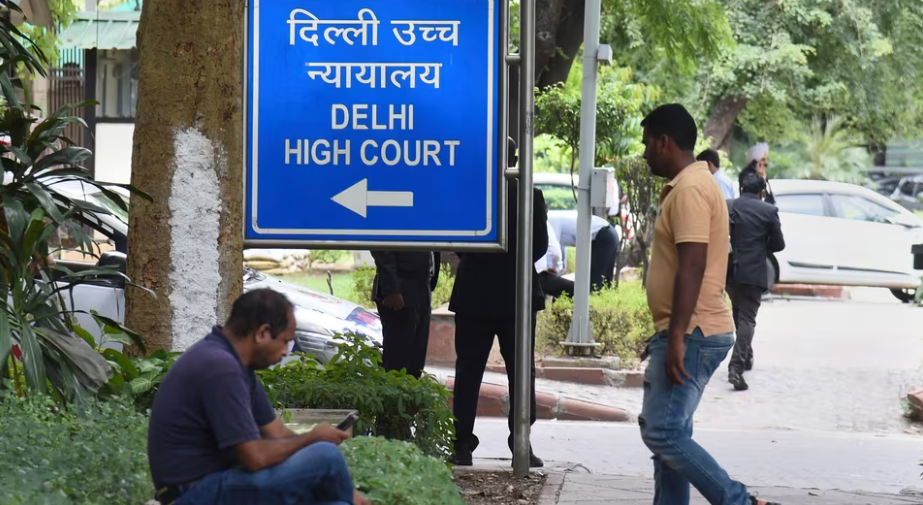
The Delhi High Court on Friday granted bail to UK national Jagtar Singh Johal in seven cases being investigated by the National Investigation Agency (NIA), bringing a significant development in the long-running legal proceedings against him. Johal has spent more than eight years in custody since his arrest in 2017. The court said the prolonged period of incarceration and the likelihood that the trials would not conclude in the near future were relevant considerations in deciding his bail pleas.
A Division Bench comprising Justice Navin Chawla and Justice Ravinder Dudeja set aside the earlier trial court orders that had rejected Johal’s bail applications and directed that he be released, subject to a series of stringent conditions. The cases relate to allegations of targeted killings and attempted murders in Punjab, including proceedings under the Unlawful Activities (Prevention) Act, or UAPA.
Johal, also known as Jaggi, was arrested in 2017, shortly after his wedding. His prolonged detention has been the subject of legal proceedings in India as well as sustained attention in the UK. The latest Delhi High Court order, however, concerns bail in seven NIA cases and does not amount to an acquittal or a finding on the merits of the allegations against him.
Delhi HC imposes strict bail conditions
As part of the bail order, Johal has been directed to furnish a personal bond of ₹5 lakh along with two sureties of the same amount. He must surrender his passport, if he possesses one, or submit an affidavit stating that he does not hold a passport.
The court has also restricted his communication arrangements. Johal can use only one mobile phone and/or one landline number during the trial, and the number must remain switched on. He has been directed to provide his residential address, contact number and email address to the investigating officer and the trial court.
Any change in his residence or contact details will require seven days’ prior written notice.
Johal must cooperate with the trial proceedings and appear before the court on every date of hearing unless he is specifically exempted. He has also been directed not to undertake any conduct that could delay the proceedings.
Restrictions on witnesses and evidence
The bail conditions specifically prohibit Johal from directly or indirectly contacting, influencing or threatening prosecution witnesses, protected witnesses, complainants or anyone acquainted with the facts of the cases.
The court has further barred him from tampering with evidence, electronic material, records, devices or documents connected with the proceedings.
The restrictions reflect the court’s conditions for ensuring that the ongoing trials are not affected by Johal’s release. His bail therefore comes with significant limitations on his movements, communications and interactions with people connected to the cases.
Social media restrictions also imposed
The Delhi High Court has additionally placed restrictions on Johal’s public statements and social media activity.
He has been directed not to make public statements through print, electronic or social media concerning the merits of the cases, the evidence, witnesses or the pending trials.
He has also been barred from participating in activities that could prejudice public order or the integrity of the proceedings.
Another condition prohibits Johal from joining WhatsApp groups or other social media platforms where “anti-national material” is uploaded, circulated or propagated. He has also been directed not to upload, share, disseminate or circulate such material and must furnish an undertaking to this effect before the trial court.
The latest ruling marks a change from the Delhi High Court’s September 2024 decision, when bail was denied in proceedings involving Johal under the UAPA. At that time, the court considered the allegations against him and concerns relating to witnesses, according to the NIA’s legal bulletin summarising the earlier judgment.
Johal’s release will therefore remain subject to compliance with the conditions imposed by the Delhi High Court, while the underlying criminal proceedings continue. The granting of bail does not determine his guilt or innocence in the cases.



 English
 Gujarati
 Hindi
Hindi Kannada
 Malayalam
 Marathi
 Punjabi
 Tamil
Tamil Telugu