India
India

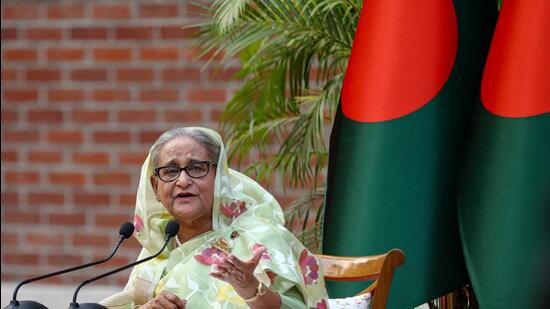
India has confirmed that Bangladesh’s request for the extradition of former Prime Minister Sheikh Hasina is currently under examination, with authorities assessing the legal and judicial procedures involved before taking any decision.
Speaking at a media briefing on Friday, External Affairs Ministry spokesperson Randhir Jaiswal said India had received the extradition request from Bangladesh and that the matter was being reviewed through the appropriate legal framework. He noted that the request was being considered in light of the legalities and judicial processes associated with extradition matters.
Sheikh Hasina has been living in India since August 2024 after fleeing Bangladesh following the dramatic collapse of her government amid massive student-led protests. The unrest eventually forced her administration from power, leading to a major political transition in the country.
The demand for Hasina’s extradition was initially made by the interim administration headed by Nobel laureate Muhammad Yunus. Following the formation of a new government led by Bangladesh Nationalist Party (BNP) leader Tarique Rahman earlier this year, the demand was reiterated by Dhaka, making the issue a key point of discussion in bilateral relations between the two neighboring countries.
Hasina’s continued presence in India has remained a contentious issue for Bangladesh and has occasionally complicated diplomatic engagement between New Delhi and Dhaka. Despite this, relations witnessed some improvement after Tarique Rahman assumed office as Prime Minister. India signaled its willingness to maintain engagement with the new administration by sending Lok Sabha Speaker Om Birla to represent New Delhi at Rahman’s swearing-in ceremony in February.
Diplomatic contacts continued in the months that followed. Bangladesh Foreign Minister Khalilur Rahman visited New Delhi in April, and both sides expressed interest in maintaining constructive ties despite differences over certain issues.
However, tensions resurfaced after Sheikh Hasina gave interviews from India. Bangladeshi authorities reportedly objected to her public statements, particularly a recent interview in which she declared her intention to return to Bangladesh in December. According to reports, Hasina faces a death sentence in Bangladesh, making her proposed return a highly controversial and politically charged matter.

Following her latest remarks, Bangladeshi authorities instructed local media outlets not to broadcast or publish her statements, reflecting the sensitivity surrounding her political future and influence.
India has so far refrained from indicating whether it will approve or reject the extradition request, emphasizing instead that the matter is being handled through established legal channels. The outcome of New Delhi’s review is expected to be closely watched in both countries, as it could have significant implications for regional diplomacy, domestic politics in Bangladesh, and the future trajectory of India-Bangladesh relations.

 English
 Gujarati
 Hindi
Hindi Kannada
 Malayalam
 Marathi
 Punjabi
 Tamil
Tamil Telugu