
 India
India

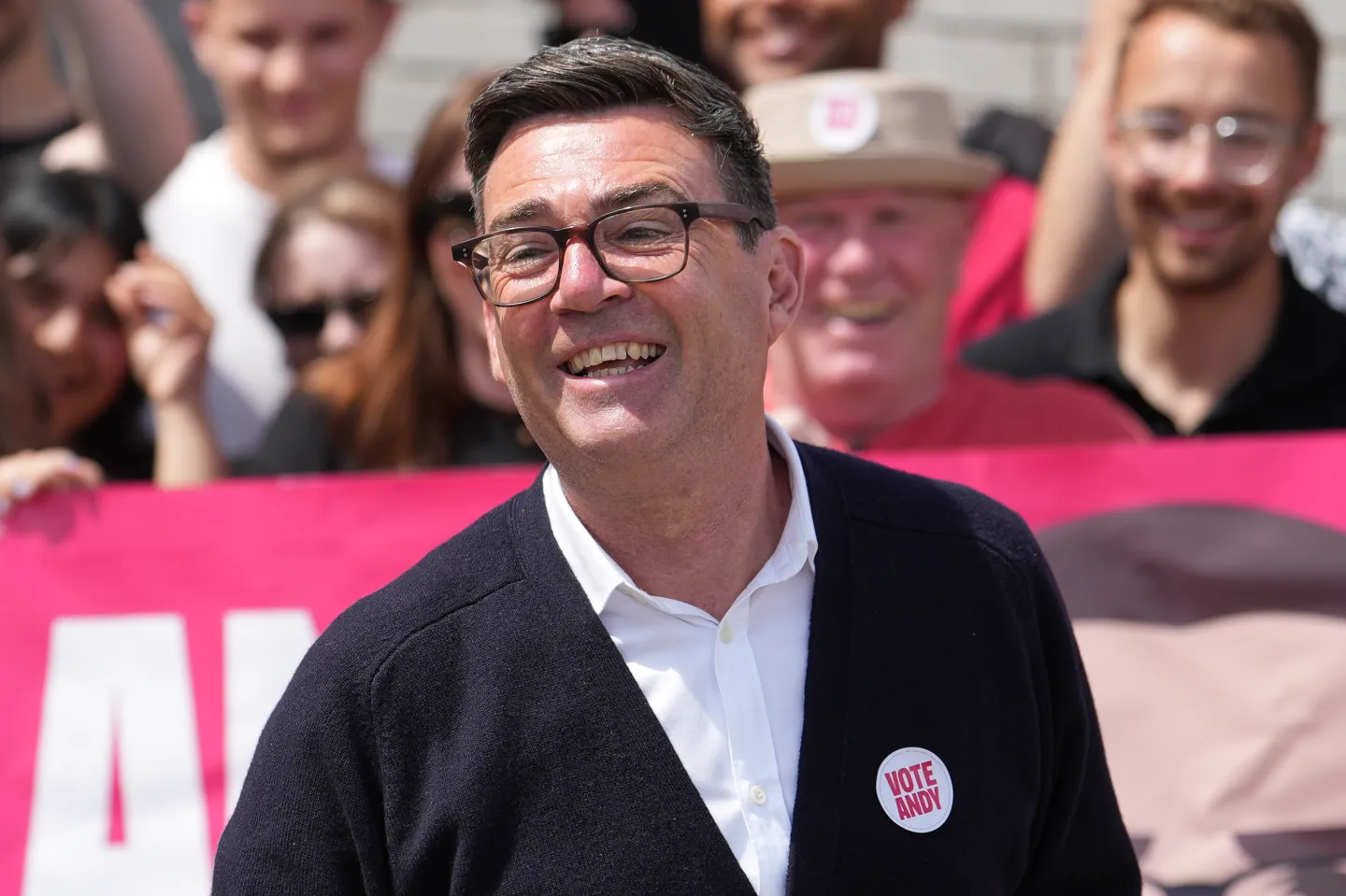
The resignation of Prime Minister Keir Starmer has plunged British politics into a new period of uncertainty, opening the door for former Greater Manchester mayor Andy Burnham to take centre stage as Labour’s likely next leader. The dramatic leadership change comes at a time when Nigel Farage’s Reform UK is gaining momentum, reshaping the political landscape and posing the biggest challenge Labour has faced since returning to power.
Starmer stepped down after mounting pressure from within his own party and a series of political setbacks that weakened confidence in his leadership. His departure follows Labour’s disappointing performance in several key political battles and growing concerns about the party’s ability to reconnect with voters frustrated by rising living costs, immigration concerns, and sluggish economic growth.
Burnham’s recent victory in the Makerfield parliamentary by-election has significantly boosted his standing within Labour. Supporters view him as a politician capable of rebuilding the party’s relationship with traditional working-class voters while also appealing to moderates. His success in the northwest England contest demonstrated Labour’s ability to resist the growing influence of Reform UK in areas once considered party strongholds.
However, Burnham inherits a difficult political environment. Reform UK has steadily expanded its support base, capitalising on public dissatisfaction with mainstream parties. Immigration has become one of the defining issues in British politics, with record levels of irregular arrivals fuelling public debate and helping Farage’s party gain traction across the country.
The challenge for Labour extends beyond competition from the right. Political analysts argue that the party is also losing support to the Greens and Liberal Democrats, creating a fragmented opposition to Reform UK’s advance. This split has complicated Labour’s efforts to present itself as the clear alternative for voters seeking change.
Starmer’s government was further damaged by a series of controversies, including disputes over political donations, unpopular economic measures, and criticism of spending priorities. Internal divisions over policy direction also contributed to declining public confidence in the administration.
Burnham now faces the task of uniting Labour while presenting a convincing vision for Britain’s future. Although he has signalled support for stronger economic management and closer cooperation with Europe, he has ruled out any immediate attempt to reverse Brexit. Instead, he is expected to focus on practical reforms aimed at addressing voter concerns over public services, economic security, and national identity.

As Labour prepares for its leadership contest, Burnham is widely viewed as the frontrunner. Yet his success will depend on whether he can halt Reform UK’s momentum and persuade voters that Labour still offers the strongest path forward. With Britain’s political landscape becoming increasingly fragmented, the battle for the country’s future has entered a critical new phase.

 English
 Gujarati
 Hindi
Hindi Kannada
 Malayalam
 Marathi
 Punjabi
 Tamil
Tamil Telugu