




 India
India

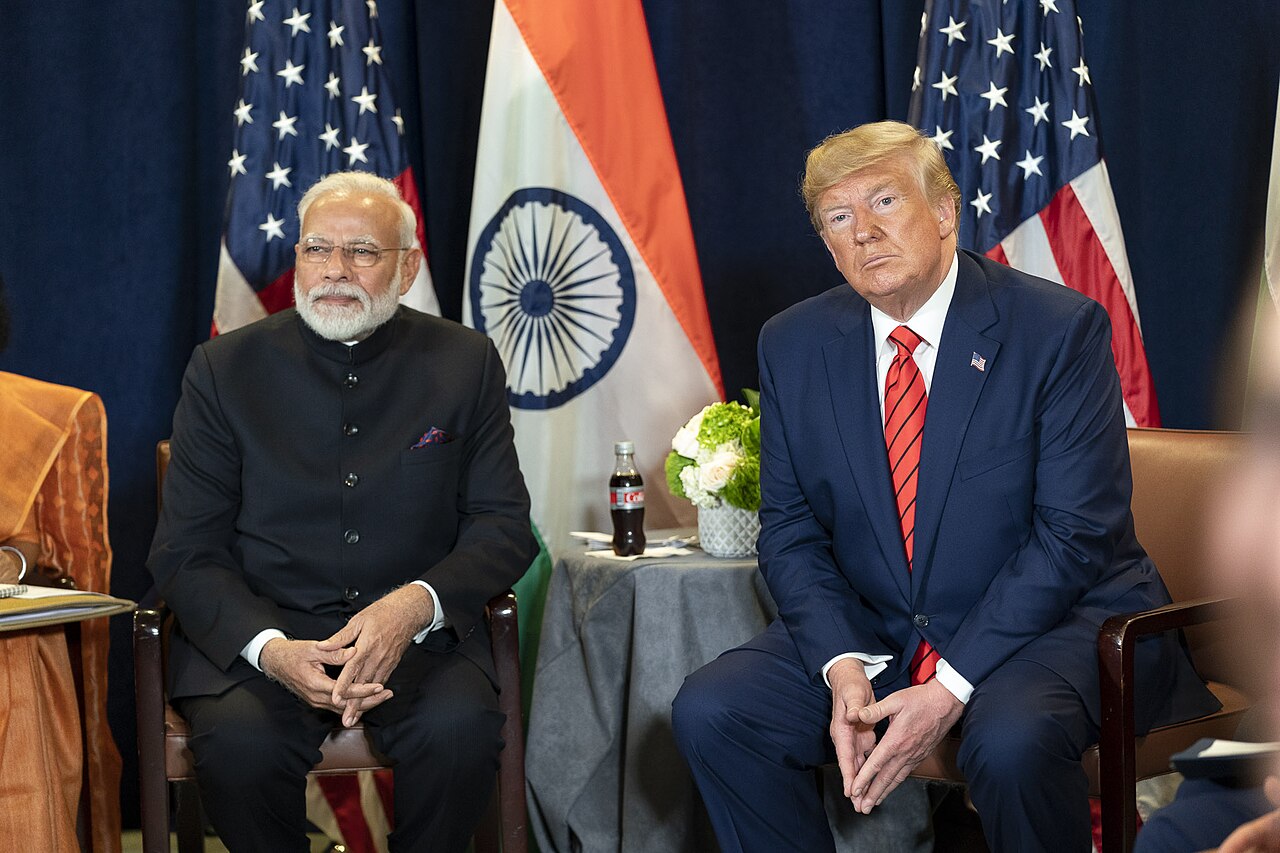
The United States and Iran appear closer than ever to reaching a landmark peace agreement aimed at ending months of tensions and conflict in West Asia. While diplomatic momentum has increased significantly in recent days, uncertainty remains over exactly when the agreement will be formally signed.
The latest optimism emerged after Pakistani Prime Minister Shehbaz Sharif stated that Washington and Tehran had already agreed on a framework for peace and that the final agreement could be concluded within the next 24 hours. According to Sharif, Pakistan is preparing for an electronic signing ceremony, which would be followed by technical-level discussions between the parties in the coming week.
His remarks fueled speculation that a formal breakthrough could come as early as Sunday. However, officials in both Iran and the United States have refrained from confirming such a timeline, suggesting that negotiations remain sensitive and subject to last-minute changes.
Iranian Foreign Minister Abbas Araqchi described the proposed memorandum of understanding as the closest the two countries have come to an agreement in years. He noted that while certain aspects of the deal could still be revised, the current framework demonstrates that Iran has emerged from the recent conflict in a stronger position.
Despite the positive signals, Tehran has urged observers not to assume that a signing is imminent. Iranian Foreign Ministry spokesperson Esmaeil Baghaei dismissed reports suggesting the agreement would be finalized on Sunday. He emphasized that while a deal in the coming days remains possible, uncertainty surrounding the position of the other side requires caution.
“We will have to wait and see about the exact date of the signing,” Baghaei said, adding that the possibility of a breakthrough in the near future cannot be ruled out.
On the American side, President Donald Trump has not publicly commented on the expected timeline. However, he reposted Sharif’s statement on social media, a move widely interpreted as a sign of support for the ongoing negotiations. Senior US officials have also expressed confidence that a deal is within reach, with one administration source estimating an 80–85 percent chance of an agreement being finalized soon.

Another US official described the emerging arrangement as a “strong deal” that could help stabilize the region and reduce tensions that have persisted for months.
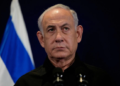
Complicating matters is the position of Israel. Prime Minister Benjamin Netanyahu has made it clear that Israel will not be a party to the US-Iran agreement. His government has previously expressed concerns over regional security issues and has disagreed with Washington on aspects of Middle East policy. Analysts believe Israel’s stance could create additional challenges for the implementation of any future agreement.
For now, diplomats remain focused on securing the final details of the deal. While both Washington and Tehran acknowledge significant progress, the exact timing of a formal signing remains uncertain. The coming days are expected to be crucial as negotiators work to transform the tentative framework into a binding agreement that could reshape the geopolitical landscape of West Asia.


 English
 Gujarati
 Hindi
Hindi Kannada
 Malayalam
 Marathi
 Punjabi
 Tamil
Tamil Telugu