India
India

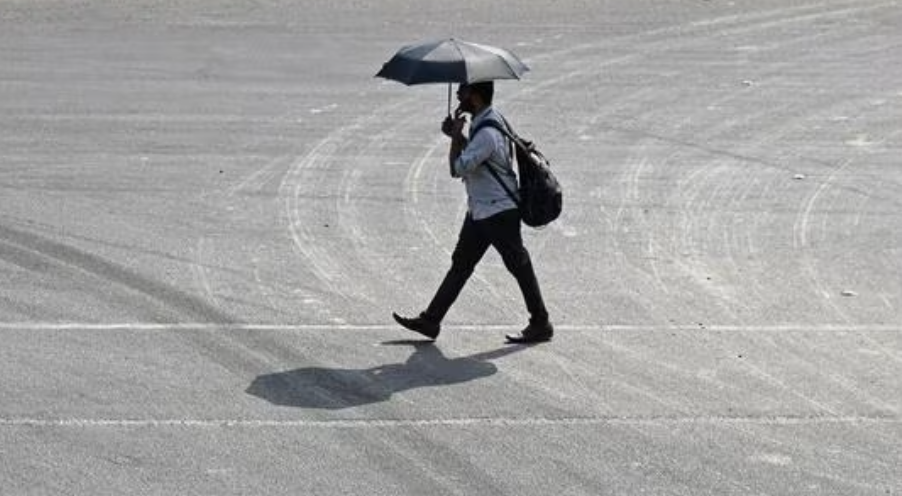
India continues to reel under an intense and prolonged heatwave, with temperatures soaring across large parts of the country and weather officials warning that severe conditions are likely to persist for the next few days. According to the India Meteorological Department (IMD), heatwave to severe heatwave conditions are expected to continue over central and northwest India for at least two to three more days before temperatures begin to ease from May 29 onward.
Several regions have experienced relentless hot weather for nearly a week, accompanied by unusually warm nights that have intensified discomfort and increased health risks, especially for people without access to cooling systems and those working outdoors.
The worsening heat crisis has once again brought global attention to climate change and its impact on extreme weather events. Simon Stiell, Executive Secretary of the United Nations Framework Convention on Climate Change, stated that the ongoing heatwave in India is directly linked to worsening climate change caused largely by the continued burning of coal, oil, and gas worldwide.
He highlighted that millions of people are facing severe human and economic consequences due to the extreme weather conditions. According to him, homes without cooling facilities and outdoor workers are among the worst affected during this punishing summer season.
Stiell also noted that India’s growing renewable energy capacity has helped the country cope with record-breaking electricity demand during the current heat spell. Solar and renewable power sources have significantly contributed to managing daytime electricity peaks, offering relief amid soaring power consumption.
He further emphasized that the ongoing heatwave is occurring alongside a global fossil fuel cost crisis driven by tensions in West Asia. Rising fuel prices, combined with extreme temperatures, have created additional economic pressure on countries dependent on imported fossil fuels. Stiell stressed that the crisis serves as a reminder for nations to accelerate the shift toward renewable energy for energy security, affordability, and climate resilience.
Weather experts say the prolonged nature of this heatwave is mainly due to hot and dry westerly winds sweeping across the country. Mahesh Palawat, Vice President of Climate and Meteorology at Skymet Weather, explained that the absence of any significant weather system has prevented the heat spell from breaking. Warm nights have further worsened conditions, making recovery from daytime heat difficult for residents.
On Tuesday, temperatures between 45°C and 47°C were recorded across parts of Madhya Pradesh, Rajasthan, eastern Uttar Pradesh, Haryana, and Vidarbha. The highest temperature in the country was reported in Banda, Uttar Pradesh, where mercury touched a scorching 47.4°C.
The IMD has issued warnings for severe heatwave conditions in isolated pockets of Punjab, Haryana, Chandigarh, Delhi, Uttar Pradesh, Rajasthan, Madhya Pradesh, Chhattisgarh, and Vidarbha through May 29.
Meanwhile, some relief is expected in other parts of the country. Isolated heavy to very heavy rainfall has been forecast over northeast and eastern India as well as southern peninsular regions, including Tamil Nadu, Puducherry, and Karaikal. The IMD has also warned of moderate to severe thunderstorms accompanied by squally winds reaching speeds of up to 70 kmph across northwest, central, and eastern India between May 28 and May 30.



 English
 Gujarati
 Hindi
Hindi Kannada
 Malayalam
 Marathi
 Punjabi
 Tamil
Tamil Telugu