
 India
India

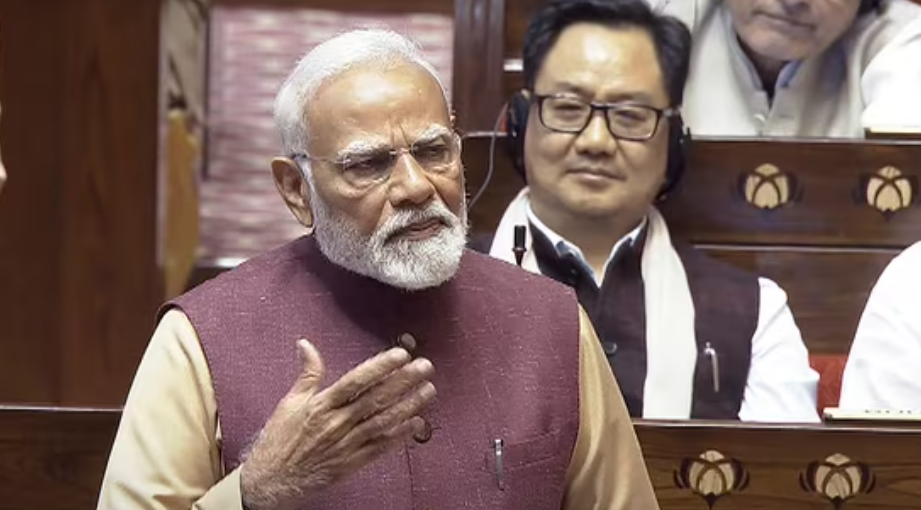
Prime Minister Narendra Modi on Tuesday cautioned that the ongoing conflict between the United States and Iran could have far-reaching and long-lasting consequences for India, particularly in terms of energy security and inflation. Speaking in the Rajya Sabha, the Prime Minister urged citizens to remain prepared for emerging challenges as global instability continues to affect supply chains.
Highlighting the seriousness of the situation, Modi said the government is actively working on multiple fronts to mitigate the potential fallout. He reassured citizens that safeguarding national interests remains the top priority, even as the ripple effects of the war are expected to persist over time. The Prime Minister emphasized that disruptions in energy supply chains could directly impact fuel availability and prices, thereby influencing inflation across sectors.
Calling for unity, Modi urged state governments to function as a cohesive team, similar to the coordinated response seen during the COVID-19 pandemic. He stressed that crises tend to disproportionately affect vulnerable populations, particularly migrant workers and economically weaker sections. States were advised to take proactive measures to protect these groups and ensure their welfare during uncertain times.
The Prime Minister also issued a strong warning against black marketing and hoarding, practices that often emerge during periods of crisis. He called on authorities to remain vigilant and ensure that such activities are strictly prevented to maintain market stability and public trust.
Providing insight into the government’s strategy, Modi revealed that seven empowered groups have been formed to address key areas such as fuel management, supply chain resilience, fertiliser availability, and inflation control. These groups are tasked with developing coordinated responses to maintain economic stability.
On the international front, Modi reiterated India’s commitment to the safety of its citizens. He noted that more than 3,75,000 Indians have been evacuated since the conflict began, including over 1,000 individuals from Iran, many of whom were students. He emphasized that protecting Indian lives, both domestically and abroad, remains a central priority.
The Prime Minister also raised concerns over the disruption of maritime routes, particularly the Strait of Hormuz, which has been impacted by the conflict. Despite these challenges, he assured that India is using diplomatic channels to ensure the safe movement of essential energy supplies.

Concluding his address, Modi called for peaceful dialogue between conflicting parties, stressing that prolonged war poses a threat not just to regional stability but to global humanitarian interests.
 English
 Gujarati
 Hindi
Hindi Kannada
 Malayalam
 Marathi
 Punjabi
 Tamil
Tamil Telugu