

 India
India

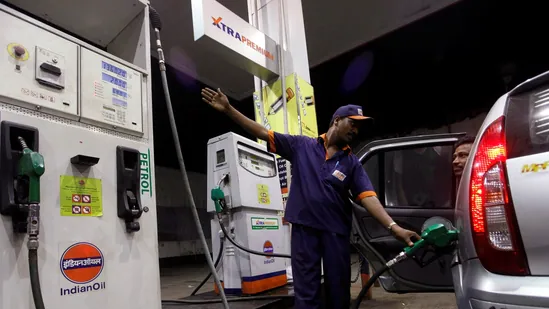
The debate over ethanol-blended fuel has intensified after Union Road Transport and Highways Minister Nitin Gadkari defended India’s ethanol-blending programme and suggested that motorists who are unhappy with E20 petrol can simply choose pure petrol instead.
Speaking amid growing concerns from vehicle owners, Gadkari said those who do not want ethanol-blended fuel are free to buy 100% petrol, but they would have to pay a higher price for it. While the statement appears to offer consumers an alternative, the reality at fuel stations across India is far more complicated.
India has aggressively pushed ethanol blending as part of its strategy to reduce dependence on imported crude oil, improve energy security, and cut emissions. Since April, E20 petrol—containing 20% ethanol and 80% petrol—has become the standard fuel available across the country.
However, the rollout has sparked concerns among many motorists. Some drivers claim they have noticed reduced mileage after switching to E20, while others worry about the long-term impact on older vehicles that were not originally designed to run on higher ethanol blends.
Government officials maintain that any reduction in fuel economy is limited and that there is no conclusive evidence showing E20 causes engine damage. They also argue that ethanol-blended fuel provides environmental benefits and helps reduce India’s fuel import bill.
For consumers seeking a fuel with little or no ethanol, the closest option currently available is the small category of 100-octane petrol sold by major oil companies. Indian Oil’s XP100, HPCL’s Power100, and Bharat Petroleum’s Speed100 are considered the nearest alternatives to pure petrol.
These premium fuels are primarily designed for high-performance vehicles, luxury cars, sports cars, and certain classic automobiles that require higher-octane fuel for optimal engine performance. Industry estimates suggest that XP100 contains negligible or no ethanol, while HPCL has previously stated that Power100 contains up to 4.5% ethanol.

Unlike regular petrol, which now contains 20% ethanol, these premium fuels offer a composition much closer to traditional petrol. Enthusiasts also point out that ethanol-free or low-ethanol fuels are preferred for certain engines because ethanol contains less energy per litre than petrol and can absorb moisture over time.
Despite being technically available to all motorists, 100-octane fuel remains out of reach for most consumers. The biggest obstacle is cost. In Delhi, premium 100-octane petrol currently sells for around ₹167 to ₹170 per litre, making it roughly 60% more expensive than regular petrol.
Availability is another major challenge. These fuels are stocked only at selected outlets, mainly in large cities and metropolitan areas. Drivers in smaller towns and rural regions often have no access to such products, effectively leaving E20 as their only option.
There is also widespread confusion between octane ratings and ethanol content. Premium fuels such as HPCL’s Power99, BPCL’s Speed97, and Shell’s V-Power are often assumed to contain little ethanol. In reality, a higher octane rating does not automatically mean lower ethanol content.
Octane measures a fuel’s resistance to engine knocking under compression, while ethanol content refers to the percentage of alcohol blended into the fuel. Because ethanol itself has a high octane rating, blending ethanol into petrol can actually increase octane levels.
This means a premium fuel may offer better engine performance while still containing a significant amount of ethanol. HPCL has previously indicated that regular petrol contains around 20% ethanol, while Power95 contains about 15%, Power99 around 11%, and Power100 up to 4.5%.
As the E20 transition continues, the debate is likely to remain active. While the government sees ethanol blending as a key pillar of India’s energy strategy, many motorists—particularly owners of older vehicles—continue to question whether they truly have a meaningful alternative. On paper, pure petrol remains available. In practice, its high price and limited accessibility mean that for most Indian drivers, E20 is the only fuel they are likely to encounter at the pump.

 English
 Gujarati
 Hindi
Hindi Kannada
 Malayalam
 Marathi
 Punjabi
 Tamil
Tamil Telugu