 India
India

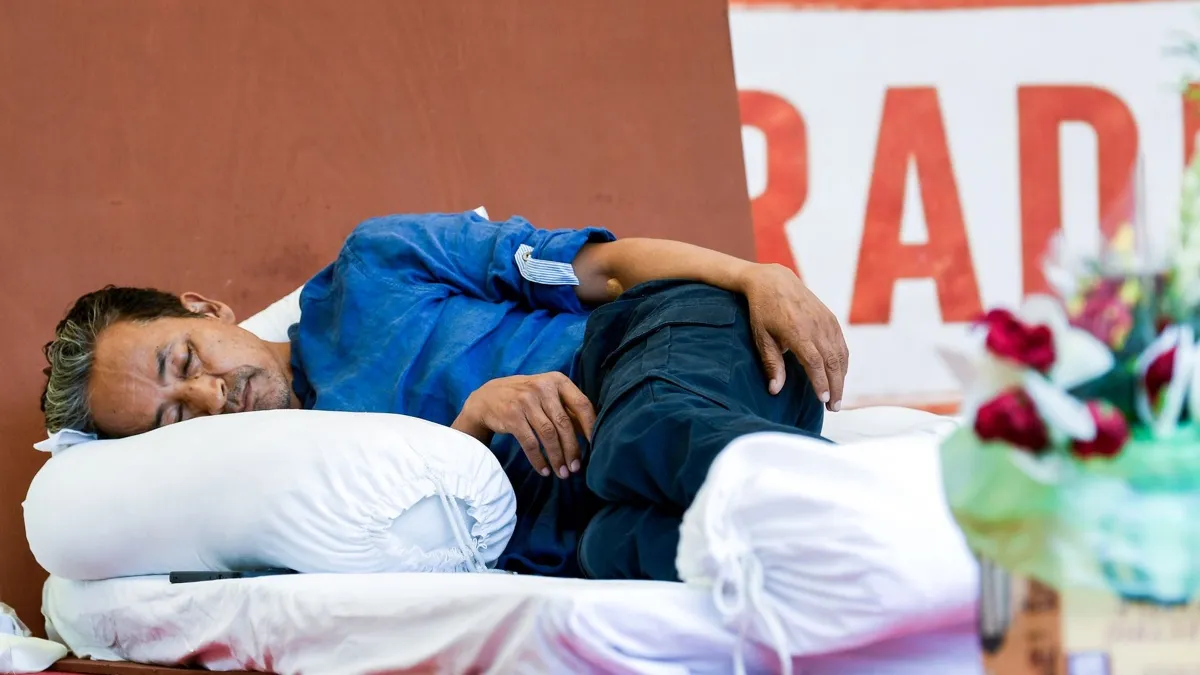
Social activist and education reformer Sonam Wangchuk’s ongoing hunger strike at Delhi’s Jantar Mantar has become the latest flashpoint in his increasingly strained relationship with the Narendra Modi-led government. The activist, whose innovations inspired the popular character Phunsukh Wangdu in the Bollywood film 3 Idiots, is now at the center of a nationwide debate over education reforms, democratic rights, and the government’s handling of dissent.
Wangchuk’s fast entered its 18th day on Wednesday, with supporters claiming that despite concerns over his health, he remains determined to continue until the government agrees to engage in dialogue. His immediate demand is the resignation of Union Education Minister Dharmendra Pradhan over alleged irregularities in national examinations, including the NEET-UG paper leak controversy and concerns surrounding the CBSE evaluation system.
The current standoff marks a dramatic shift from the cordial relationship Wangchuk once shared with senior government leaders. In March 2023, Wangchuk and his wife, Gitanjali Angmo, met Dharmendra Pradhan in New Delhi to discuss educational innovation and the future of the Himalayan Institute of Alternatives, Ladakh (HIAL). Following the meeting, Pradhan publicly described the interaction as a “wonderful conversation,” while Wangchuk thanked the minister for being open to new ideas in education.
However, relations reportedly deteriorated over the following years. Angmo later alleged that HIAL’s recognition process with the University Grants Commission remained stalled due to Wangchuk’s increasing involvement in political advocacy for Ladakh. The tensions escalated further in 2025 when Ladakh authorities cancelled HIAL’s long-term land lease, a move Wangchuk described as a politically motivated attempt to silence his activism.
The broader conflict stems from Wangchuk’s campaign for constitutional protections and greater autonomy for Ladakh. Initially, Wangchuk had welcomed the Modi government’s 2019 decision to make Ladakh a separate Union Territory following the abrogation of Article 370. He publicly thanked Prime Minister Narendra Modi, calling it the fulfillment of a long-standing aspiration of the people of Ladakh.
Over time, however, concerns emerged regarding the loss of land and employment protections that previously existed under Jammu and Kashmir’s special status. By 2022, regional groups including the Leh Apex Body and the Kargil Democratic Alliance had united behind demands for statehood, Sixth Schedule protections, increased political representation, and a dedicated public service commission.
The situation reached a turning point in September 2025 when protests in Leh turned violent, resulting in fatalities during police action. Shortly afterward, Wangchuk was detained under the National Security Act, with authorities accusing him of contributing to unrest through inflammatory rhetoric. He spent nearly six months in jail before being released in March 2026.
Despite the setback, Wangchuk initially adopted a conciliatory tone after his release, expressing hope that discussions with the Centre could resolve Ladakh’s concerns. In recent months, negotiations between Ladakh representatives and the government have reportedly produced progress, including discussions around a customized Article 371 framework aimed at protecting the region’s unique identity and interests.
Yet Wangchuk’s focus has now shifted to education-related issues, where he has aligned himself with the Cockroach Janta Party (CJP), a satirical youth-led movement demanding accountability for examination controversies. While opposition leaders and several public figures have expressed support for his protest, the government has responded sharply, with BJP leaders criticizing both Wangchuk and the movement.
As Parliament’s Monsoon Session approaches, the CJP plans to organize a march from Jantar Mantar to Parliament on July 20. Whether the government chooses engagement or confrontation may determine the next chapter in Wangchuk’s evolving political journey—one that has taken him from being a celebrated supporter of government initiatives to one of its most prominent critics.


 English
 Gujarati
 Hindi
Hindi Kannada
 Malayalam
 Marathi
 Punjabi
 Tamil
Tamil Telugu