




 India
India

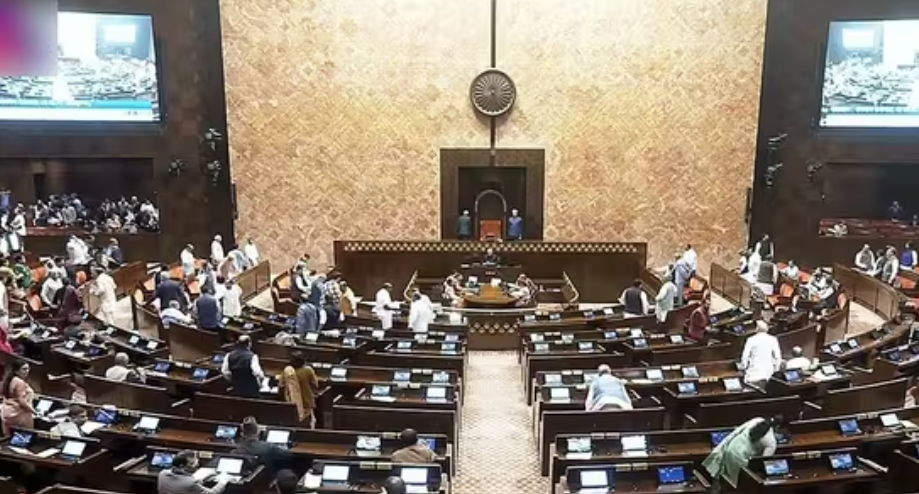
The Election Commission of India (ECI) on Wednesday announced biennial elections to 37 seats of the Rajya Sabha across 10 states, with polling scheduled for March 16. The counting of votes will be conducted on the same day at 5 pm, marking a crucial political exercise ahead of the upcoming vacancies in April 2026.
The elections will be held in Maharashtra (7 seats), Odisha (4), Tamil Nadu (6), West Bengal (5), Assam (3), Bihar (5), Chhattisgarh (2), Haryana (2), Himachal Pradesh (1) and Telangana (2). These seats are set to fall vacant as the terms of sitting members come to an end next month.
Among the prominent leaders completing their tenure are Nationalist Congress Party (NCP) chief Sharad Pawar, Union minister Ramdas Athawale, senior Congress leader Abhishek Manu Singhvi, Trinamool Congress MP Saket Gokhale, and Deputy Chairman of the Rajya Sabha Harivansh Narayan Singh. Their retirement adds political significance to the upcoming contest, especially in states where party equations have shifted since the last elections.
The seats were last contested during the 2020 biennial elections, when the Bharatiya Janata Party (BJP) and its allies performed strongly in states such as Assam, Bihar, Haryana and Himachal Pradesh. In Maharashtra, representation was shared among the BJP, the then undivided Shiv Sena, the undivided Nationalist Congress Party (NCP) and the Congress. Tamil Nadu witnessed a majority win for the DMK-led alliance, while the All India Trinamool Congress retained dominance in West Bengal. In Odisha, the Biju Janata Dal secured key seats.
According to the ECI’s schedule, the notification for the elections will be issued on February 26. The last date for filing nominations is March 5, while scrutiny of nominations will take place on March 6. Candidates can withdraw their nominations until March 9. Polling will be conducted between 9 am and 4 pm on March 16, followed by counting at 5 pm. The entire election process is expected to conclude by March 20.
The poll panel has also laid down specific instructions regarding the voting procedure. It has directed that only integrated violet colour sketch pens of pre-fixed specifications, provided by the Returning Officer, must be used to mark preferences on ballot papers. “No other pen shall be used,” the Commission clarified, underscoring the importance of procedural compliance.
Observers will be deployed to ensure that the elections are conducted in a free and fair manner, in line with established parliamentary norms. The outcome of these elections will shape the composition of the Upper House at a time when several key legislative measures are expected to come up for debate in the months ahead.





 English
 Gujarati
 Hindi
Hindi Kannada
 Malayalam
 Marathi
 Punjabi
 Tamil
Tamil Telugu