



 India
India

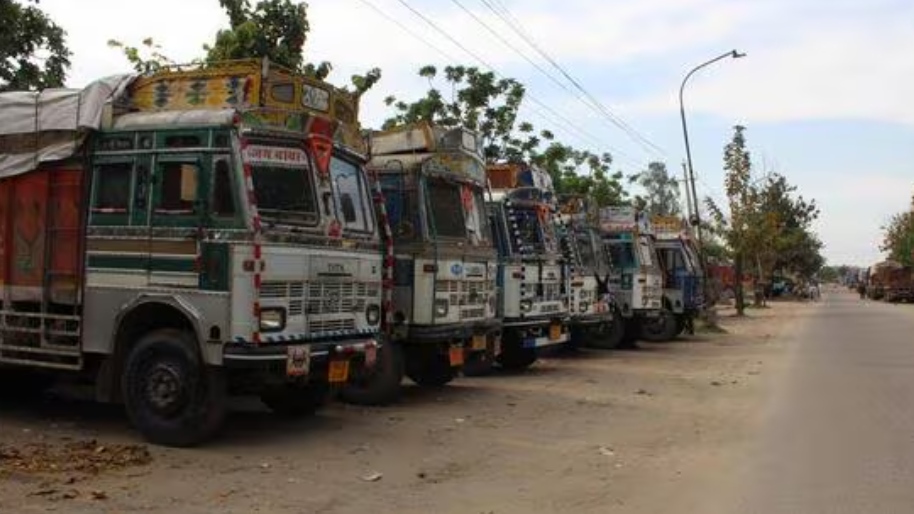
The Union Cabinet on Wednesday approved a major ₹9,585-crore vehicle replacement scheme aimed at reducing air pollution in the Delhi-National Capital Region (NCR). The initiative seeks to phase out older, high-polluting commercial vehicles and replace them with cleaner Bharat Stage-VI (BS-VI) compliant or electric vehicles.
The scheme is designed to target old trucks and buses, which are considered among the biggest contributors to vehicular pollution in the region. According to the government, heavy-duty commercial vehicles account for nearly 36% of transport-related PM2.5 emissions in Delhi-NCR despite making up only around 3% of the total vehicle fleet.
To encourage vehicle owners to participate, the government has announced several financial incentives. Owners who scrap BS-III and older vehicles at authorized scrapping facilities will be eligible for a 5% interest subvention on loans for five years. In addition, they will receive monthly fuel vouchers worth up to ₹4,800. Automobile manufacturers have also agreed to offer an 8% discount on the ex-showroom price of new vehicles purchased under the scheme.
The NCR Planning Board, operating under the Ministry of Housing and Urban Affairs, will finance the programme, while the Ministries of Road Transport and Highways and Petroleum and Natural Gas will oversee its implementation.
State governments in Delhi, Haryana, Rajasthan, and Uttar Pradesh will further support the initiative by waiving registration fees and providing substantial motor vehicle tax concessions. New vehicles purchased under the scheme could receive up to 100% tax relief, while used vehicles may receive a 50% concession for up to 10 years. Authorities will also waive pending liabilities on old vehicles being scrapped.
Speaking about the decision, Union Minister Ashwini Vaishnaw said the scheme has the potential to replace more than 200,000 aging commercial vehicles, significantly improving regional air quality.
Environmental experts have welcomed the move. Amit Bhatt, Managing Director (India) of the International Council on Clean Transportation, noted that older commercial vehicles generate disproportionately high emissions. He emphasized that scrapping the vehicles is crucial to prevent them from being resold and continuing to pollute in neighboring states.

Delhi’s air quality remains a major concern throughout the year. While winter pollution spikes are often linked to stubble burning and unfavorable weather conditions, emissions from vehicles, industries, construction activities, road dust, and waste burning contribute to poor air quality year-round.
The government cited studies indicating that a single pre-BS heavy-duty vehicle can emit as much pollution as 14 BS-VI compliant vehicles. Even BS-IV vehicles emit nearly three times more pollutants than their BS-VI counterparts. Officials believe replacing the older fleet with cleaner alternatives will substantially reduce harmful emissions and improve public health across the NCR region.
The announcement comes as Delhi continues to face severe air quality challenges. According to IQAir’s 2025 World Air Quality Report, Delhi remained the world’s most polluted capital for the eighth consecutive year, recording an annual average PM2.5 concentration of 82.2 micrograms per cubic metre—more than 16 times higher than the World Health Organization’s recommended guideline.


 English
 Gujarati
 Hindi
Hindi Kannada
 Malayalam
 Marathi
 Punjabi
 Tamil
Tamil Telugu