

 India
India

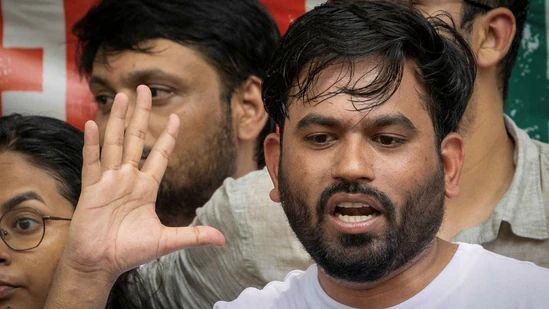
The founder of the Cockroach Janta Party (CJP), Abhijeet Dipke, has said that Indian political discourse over the last decade has been overly focused on communal narratives and must instead shift toward pressing issues such as unemployment and education reform.
Addressing a press conference a day after leading a protest at Jantar Mantar in Delhi, Dipke argued that repeated references to the “Hindu-Muslim agenda” in politics do not contribute to job creation or economic opportunities for young people. He stressed that employment and education should become the central priorities of governance and policy debate.
“The country’s politics has moved toward the Hindu-Muslim agenda in the past 10–12 years. This issue cannot provide jobs. We need to shift focus toward employment, and the government’s priorities must change,” Dipke said, according to PTI.
The CJP leader also renewed his demand for the resignation of Union Education Minister Dharmendra Pradhan, citing accountability concerns in the wake of repeated examination controversies, including alleged irregularities in the NEET examination process and technical issues linked to CBSE’s OSM system. He argued that responsibility must be fixed when systemic failures occur, particularly in high-stakes national examinations.
Comparing governance accountability with the private sector, Dipke said that employees are often removed after repeated mistakes, and questioned why similar accountability standards are not applied in public education administration. He further expressed concern that repeated paper leak allegations undermine trust in the examination system.
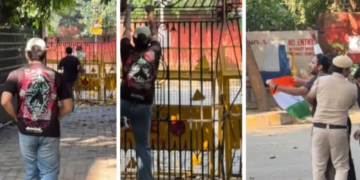
Referring to the protest held at Jantar Mantar, he also defended the turnout and dismissed criticism directed at participants. He questioned attempts to label protesters or dissenting voices in a divisive manner, saying such rhetoric weakens democratic debate. He also responded to allegations aimed at student protesters and opposition voices, asserting that questioning the government is a democratic right.
Dipke rejected comparisons between his movement and political upheavals or protest movements in neighbouring countries such as Nepal and Bangladesh. He emphasized that the demonstration at Jantar Mantar remained peaceful and drew participation from youth across different regions of India. According to him, the movement is rooted in domestic concerns and operates within India’s democratic framework.

He further reiterated that the CJP movement will remain independent and will not align with any political party. While acknowledging that various political groups may express support for the agitation, he clarified that the organisation does not intend to form formal alliances. “This movement is for Gen Z. We are not associating with any political party,” he said.
Dipke added that the protest is not limited to a single demand and will continue to focus on broader issues of education reform and employment opportunities for India’s youth.


 English
 Gujarati
 Hindi
Hindi Kannada
 Malayalam
 Marathi
 Punjabi
 Tamil
Tamil Telugu