
 India
India

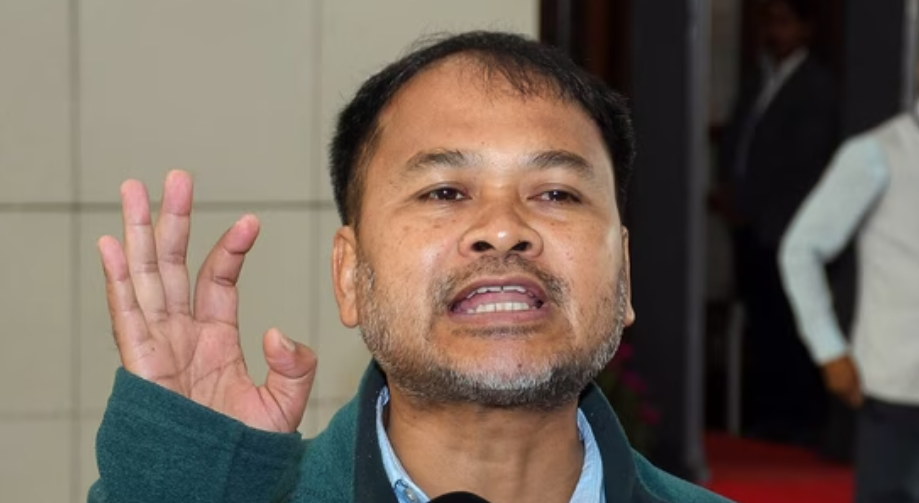
The Sivasagar Assembly constituency has emerged as one of the most closely tracked battlegrounds in the 2026 Assam elections, with sitting MLA Akhil Gogoi attempting to hold on to his political stronghold. Voting concluded on April 9, and results are scheduled for May 4.
Gogoi, the face of Raijor Dal and a prominent voice of regional politics in Assam, is contesting on themes of regional identity and anti-incumbency against the ruling NDA. He faces a triangular challenge from BJP’s Kushal Dowari and Asom Gana Parishad’s Prodip Hazarika, whose “friendly contest” has added a strategic twist to the race.
Sivasagar, once the capital of the Ahom Kingdom, remains politically significant due to its aware and diverse electorate, including Ahom community voters, tea tribe workers, and an urban middle class. This demographic mix often makes electoral outcomes here unpredictable.
Gogoi’s political journey adds further intrigue. In the 2021 Assembly elections, he won the seat while incarcerated over charges linked to anti-CAA protests, defeating BJP’s Surabhi Rajkonwar by more than 11,000 votes. His party, Raijor Dal, was born out of the same protests, cementing his image as a grassroots leader.
This time, Gogoi has expressed strong confidence, claiming he will secure a victory margin exceeding 50,000 votes. He has also sharply criticised the BJP’s candidate selection, targeting Dowari’s past and questioning the party’s judgment in fielding him.
Meanwhile, Hazarika brings experience as a five-time MLA from the now-defunct Amguri seat, abolished after the 2023 delimitation. His presence ensures that NDA votes may not consolidate behind a single candidate, potentially benefiting Gogoi.
Historically, Sivasagar has swung between parties. Congress’s Pranab Kumar Gogoi narrowly won in 2016, while Akhil Gogoi secured a decisive victory in 2021 with a 9.6% margin. With competing narratives of governance, identity, and strategy at play, the constituency is poised for another tightly contested outcome.


 English
 Gujarati
 Hindi
Hindi Kannada
 Malayalam
 Marathi
 Punjabi
 Tamil
Tamil Telugu