


 India
India

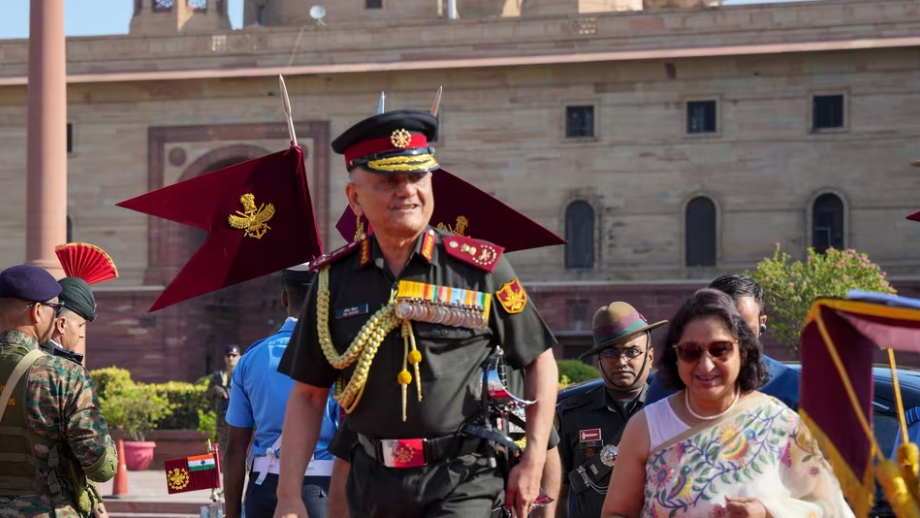
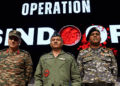
Former Chief of Defence Staff (CDS) General Anil Chauhan has revealed that Pakistan sought a ceasefire during Operation Sindoor before India had completed even half of its planned military operations. Speaking at ThePrint’s Off The Cuff event, the former military chief said New Delhi deliberately delayed responding to Islamabad’s request because Indian forces were still executing key operational objectives.
Recalling the events of May 10, 2025, during the four-day military confrontation between India and Pakistan, General Chauhan said Pakistan reached out through the Director General of Military Operations (DGMO) hotline and expressed its desire to hold talks. According to him, the request came unexpectedly, especially after strong rhetoric from Pakistan a day earlier.
“The biggest surprise to me was on May 10, when Pakistan picked up the phone and said they wanted to talk. Just a day earlier, statements from their side suggested they would deal with India within 48 hours. Yet within hours, they were seeking communication,” Chauhan said.
The former CDS stated that India intentionally kept Pakistan waiting until the afternoon before engaging in discussions. He explained that Indian military planners had not yet carried out half of the strikes that had been prepared as part of the operation. Additional waves of attacks were planned to demonstrate the Indian Armed Forces’ ability to strike strategic targets deep inside Pakistan.
General Chauhan attributed Pakistan’s decision to seek a ceasefire largely to the impact of Indian air power. He said the Indian Air Force launched precision strikes on major Pakistani airbases, including Sargodha and Noor Khan, during the early hours of May 10. According to him, these attacks significantly disrupted Pakistan Air Force operations and reduced its ability to launch further sorties.
He noted that several airfields were targeted around midnight and in the early morning hours, affecting Pakistan’s operational capabilities. As the damage mounted, Pakistani military planners reportedly concluded that continuing the conflict could lead to further escalation and losses.
Chauhan also suggested that Pakistan believed its own strikes against Indian targets between 1 a.m. and 9 a.m. had caused sufficient damage. This assessment, he said, may have encouraged Islamabad to seek negotiations before the situation deteriorated further.

Operation Sindoor was launched by India in response to the deadly Pahalgam terror attack on April 22, 2025, in which 26 people, including 25 Indian tourists, were killed. India blamed The Resistance Front (TRF), an offshoot of the Pakistan-based terror outfit Lashkar-e-Taiba, for the attack. Pakistan and TRF denied involvement.
In retaliation, India carried out coordinated strikes targeting terrorist infrastructure across Pakistan and Pakistan-occupied Kashmir. The operation involved all three branches of the Indian military—the Army, Navy and Air Force—and reportedly targeted nine terrorist camps.
The military action triggered a four-day confrontation between the two nuclear-armed neighbours, leading to heightened tensions, blackouts and air raid alerts along the Line of Control (LoC) and the International Border. The hostilities eventually ended after both sides reached a ceasefire understanding on May 10, 2025.
General Chauhan’s remarks offer fresh insight into India’s military strategy during Operation Sindoor and suggest that Pakistan’s request for a ceasefire came at a time when India still had significant offensive plans in reserve.


 English
 Gujarati
 Hindi
Hindi Kannada
 Malayalam
 Marathi
 Punjabi
 Tamil
Tamil Telugu