

 India
India

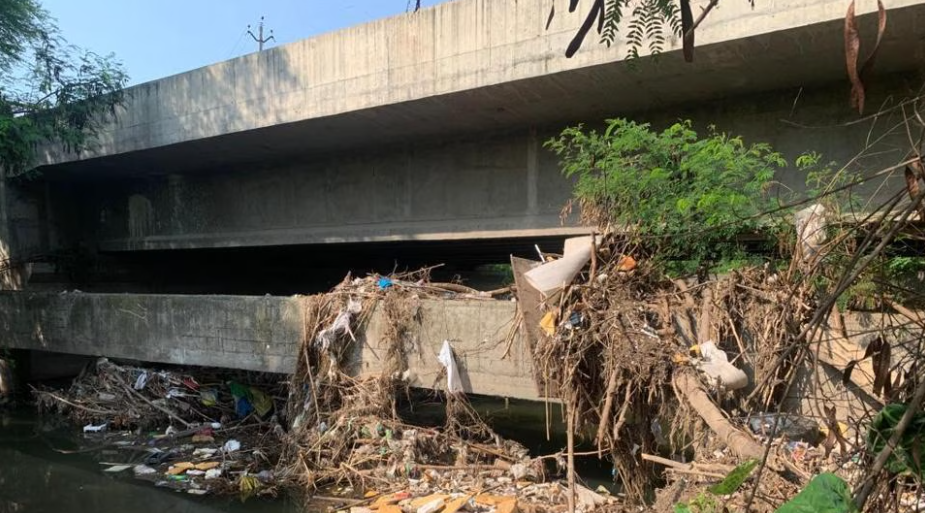
India’s urban centres are generating significantly more sewage than the country can currently treat, exposing major gaps in wastewater management and sanitation infrastructure, according to a parliamentary standing committee report tabled in Parliament on Tuesday.
The report, prepared by the Standing Committee on Housing and Urban Affairs, revealed that Indian cities generate an estimated 52,644 million litres per day (MLD) of sewage, while the country’s installed treatment capacity stands at only 31,885 MLD. This leaves a treatment deficit of more than 20,700 MLD, raising concerns over environmental pollution, public health risks and sustainable urban development.
The committee noted that even the existing treatment capacity is not being fully utilized. State-wise data submitted before the National Green Tribunal (NGT) showed that only 22,491 MLD of the available treatment capacity is currently being used. Furthermore, just 6,013 MLD of treated wastewater is being recycled or reused, highlighting the limited progress made in water conservation efforts despite increasing water stress across the country.
The report also questioned the effectiveness of sewage treatment plants (STPs). A third-party assessment of more than 1,000 STPs found that only 51% complied with the 2015 discharge standards, while a mere 15% met the stricter environmental norms introduced in 2019. The committee said this reflects persistent shortcomings in operation, maintenance and regulatory compliance.
Urban sanitation coverage remains uneven across the country. Of India’s 11.32 crore urban households, only 3.45 crore households in AMRUT cities are connected to sewer networks. Nearly 2.85 crore households continue to rely on septage-based sanitation systems. States such as Madhya Pradesh, Tamil Nadu, West Bengal, Odisha, Jharkhand and Bihar depend heavily on septic tank systems rather than conventional sewer networks.
The committee expressed concern over widespread deficiencies in septic tank construction and management. According to studies cited in the report, around 60% of urban households rely on untrained masons rather than municipal authorities for septic tank construction. As a result, many tanks are built three to four times larger than prescribed standards.
The report found that only 32% of septic tanks are properly lined, increasing the risk of groundwater contamination. Additionally, 43% lack access chambers required for desludging and maintenance. In many cases, only toilet waste is directed into septic tanks, while wastewater from kitchens and bathrooms is discharged directly into open drains, contributing to pollution and sanitation challenges.

The panel also highlighted the condition of ageing sewer infrastructure across urban India. Frequent blockages, inadequate maintenance and operational inefficiencies continue to affect wastewater management systems. Under AMRUT 2.0, all sanctioned projects are required to include at least five years of operation and maintenance support. States have earmarked over ₹20,019 crore for maintenance activities, underscoring the scale of infrastructure upkeep required.
On wastewater reuse, the committee noted that the government aims to create 10,000 MLD of reuse capacity by 2030 and meet 20% of urban water demand through recycled water. However, current reuse levels remain far below the target, with only 6,012 MLD being reused and an additional 1,931.86 MLD of reuse capacity approved under AMRUT 2.0.
The report also pointed to sharp disparities among states. Maharashtra, Delhi, Gujarat, Uttar Pradesh, Tamil Nadu, Karnataka and West Bengal account for a substantial share of the nation’s sewage treatment capacity, while several other states and Union Territories continue to lag behind, leaving large volumes of wastewater untreated.
Calling for urgent action, the committee urged authorities to bridge gaps in sewage treatment capacity, strengthen maintenance systems and expand wastewater recycling infrastructure. It stressed that achieving comprehensive sewerage and septage management will be critical for improving public health, protecting water resources and supporting India’s rapidly growing urban population.


 English
 Gujarati
 Hindi
Hindi Kannada
 Malayalam
 Marathi
 Punjabi
 Tamil
Tamil Telugu