 India
India

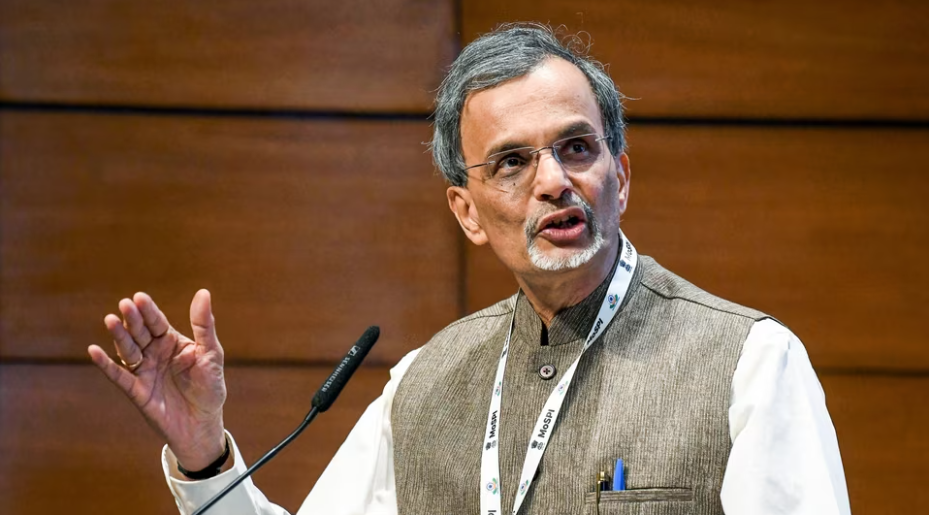
India’s Chief Economic Advisor (CEA) V Anantha Nageswaran has cautioned against the growing reliance on free or heavily subsidised public services, saying that such policies often carry hidden economic and social costs. Speaking at the CII Tamil Nadu Infrastructure Summit 2026, Nageswaran stressed that sustainable infrastructure development requires realistic pricing, long-term investment and responsible urban planning.
Highlighting the challenges associated with “free” public services, Nageswaran remarked that “free is the most expensive word in public policy.” According to him, when essential services such as water are provided at little or no cost, consumers tend to treat them as unlimited resources, leading to excessive consumption and wastage. He argued that resources perceived as free are often undervalued, resulting in inefficient use and long-term strain on public infrastructure.
The Chief Economic Advisor said that pricing utilities below their actual cost creates significant obstacles for infrastructure financing. He explained that private and institutional investors are willing to commit capital to long-term infrastructure projects only when they can expect predictable and sustainable returns over periods extending 20 to 30 years. If utility providers are unable to recover costs through user charges, attracting fresh investment becomes increasingly difficult.
Nageswaran also challenged the notion that free public services necessarily benefit the poorest sections of society. He pointed out that households with access to piped water networks often gain the most from free water schemes, while many low-income families without such connections continue to purchase water from private suppliers and tanker operators at substantially higher prices. He suggested that governments should focus on targeted support for vulnerable households while ensuring utility providers receive adequate revenue to expand and improve services.
Warning that infrastructure can never truly be free, Nageswaran noted that someone eventually bears the financial burden. According to him, the costs are ultimately paid either by users through tariffs, taxpayers through government subsidies, or through the deterioration of public assets caused by inadequate maintenance and underinvestment.
The CEA also raised concerns about urban planning policies, particularly low Floor Space Index (FSI) limits in Indian cities. He argued that restrictions on vertical development force urban expansion outward, increase land prices and encourage construction on environmentally sensitive areas such as lakes, ponds and natural drainage channels. Such practices, he warned, heighten the risks of both urban flooding during heavy rainfall and water shortages during drought periods.
Referring to Chennai’s severe water crisis in 2019, Nageswaran said policymakers should remember the consequences of unsustainable urban development and poor water resource management. He emphasized that preserving natural water storage systems is critical for long-term urban resilience.

While acknowledging India’s strong economic performance, including a reported growth rate of 7.7% and a four-fold increase in Union government capital expenditure to over ₹12 lakh crore, Nageswaran stressed that public spending alone cannot meet the country’s vast infrastructure requirements. He called for a broader framework built on contractual discipline, durable infrastructure creation and transparent utility pricing.
Nageswaran has served as India’s Chief Economic Advisor since 2022. Before joining the government, he worked as an economist, academic, author and consultant. He was Dean of the IFMR Graduate School of Business, a Distinguished Visiting Professor at Krea University, and a member of the Economic Advisory Council to the Prime Minister between 2019 and 2021. He holds a Post Graduate Diploma in Management from the Indian Institute of Management Ahmedabad and a doctorate from the University of Massachusetts Amherst.
 English
 Gujarati
 Hindi
Hindi Kannada
 Malayalam
 Marathi
 Punjabi
 Tamil
Tamil Telugu