




 India
India

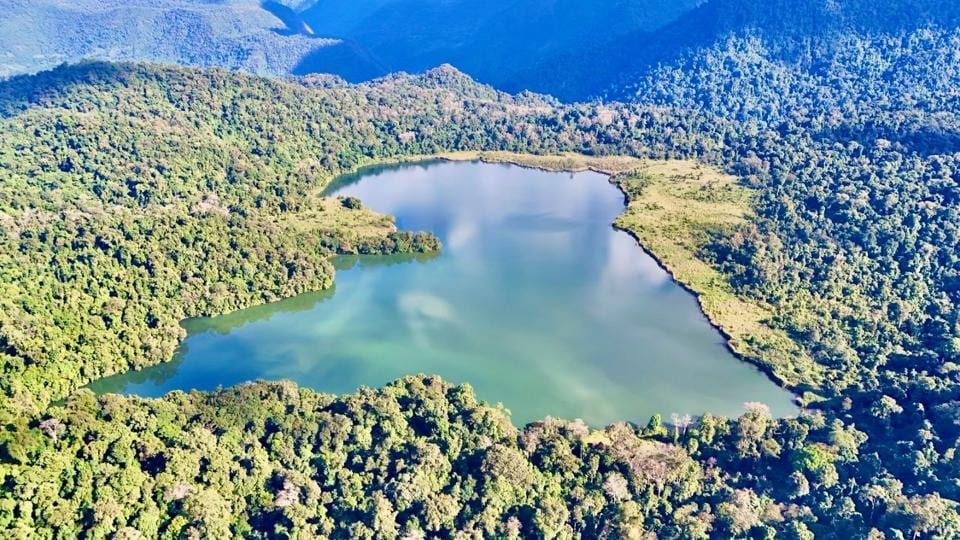
India has added another internationally recognised wetland to its growing list of protected ecosystems, with Arunachal Pradesh’s Glaw Lake officially designated as the country’s 101st Ramsar site. The announcement was made by Union Environment Minister Bhupender Yadav, who described the recognition as a significant achievement for biodiversity conservation, climate security, and sustainable development.
Glaw Lake is the first wetland in Arunachal Pradesh to receive Ramsar status, placing the northeastern state on the global map of internationally important wetlands. The designation highlights the ecological value of the freshwater lake, which is situated within the Kamlang Tiger Reserve and Wildlife Sanctuary in the Eastern Himalayas.
The Ramsar Convention is an international treaty adopted in 1971 in the Iranian city of Ramsar. It promotes the conservation and sustainable use of wetlands across the world. Wetlands that receive Ramsar recognition are considered to be of international importance due to their ecological, hydrological, and biodiversity significance.
Announcing the development on social media, Bhupender Yadav said the inclusion of Glaw Lake as a Ramsar site represents a major milestone for biodiversity protection, water and climate security, and the livelihoods of local communities that depend on healthy ecosystems. He emphasized that every new Ramsar site strengthens India’s commitment to balancing environmental conservation with sustainable growth.
Glaw Lake serves as an important biodiversity hotspot in the Eastern Himalayan region. Fed by perennial mountain streams, the lake supports a rich variety of flora and fauna. According to the Environment Minister, more than 150 species of trees and 49 species of orchids have been recorded within the wetland and its surrounding catchment area. The dense vegetation and pristine ecosystem make the lake a valuable habitat for wildlife and an important natural resource for the region.
Wetlands such as Glaw Lake play a crucial role in maintaining ecological balance. They provide habitats for migratory birds and other wildlife, help regulate water flow, reduce flood risks, improve groundwater recharge, and contribute to carbon sequestration. These functions make wetlands increasingly important in the fight against climate change and environmental degradation.
The latest designation also reflects the rapid expansion of India’s Ramsar network over the past decade. According to the Environment Ministry, the number of Ramsar sites in the country has increased from 26 in 2014 to 101 in 2026. The government views wetland conservation as a key component of its broader environmental and climate agenda.

Last month, the government informed Parliament that four wetlands had been proposed for Ramsar recognition. Alongside Glaw Lake, the list included Chandigarh’s Sukhna Wetland, Gujarat’s Gosabara-Mokarsagar Wetland Complex, and Uttar Pradesh’s Sauj Jheel. With Glaw Lake now officially designated, attention is likely to turn to the remaining candidates awaiting approval from the Ramsar Secretariat.
The recognition of Glaw Lake underscores India’s continued efforts to preserve critical ecosystems while supporting biodiversity, water conservation, and sustainable livelihoods. As the country expands its network of protected wetlands, these sites are expected to play an increasingly important role in environmental resilience and climate adaptation strategies.






 English
 Gujarati
 Hindi
Hindi Kannada
 Malayalam
 Marathi
 Punjabi
 Tamil
Tamil Telugu