


 India
India

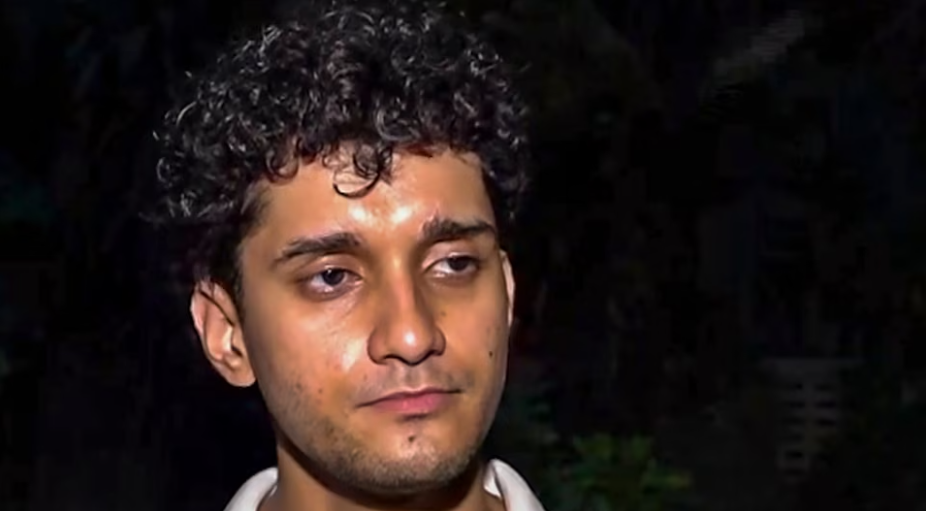
The Cockroach Janta Party (CJP) has welcomed the Delhi government’s latest notification directing that no further legal action be pursued against individuals who participated in the outfit’s 36-day protest movement. However, the party has made it clear that it is dissatisfied with the wording of the order and is demanding the complete withdrawal of all protest-related FIRs rather than merely treating them as closed.
Speaking to PTI Videos on Thursday, CJP chief spokesperson Saurav Das described the government’s move as a positive step but argued that it falls short of the commitments made to protesters during negotiations that culminated in the July 25 Jantar Mantar agreement.
According to Das, the notification states that FIRs registered in connection with the agitation will not be pursued further and may be considered closed. He contended that the government’s language does not adequately reflect the assurances given to protesters and insisted that the cases should be formally withdrawn.
Das also challenged the government’s interpretation of the Supreme Court’s position on the matter. He claimed that authorities were incorrectly suggesting that judicial directions prevent the withdrawal of FIRs. According to him, the Supreme Court has not barred the government from exercising its powers to withdraw cases and the administration should not use the court’s observations as a justification for avoiding its commitments.
The CJP spokesperson urged both the Delhi government and the Centre to implement the promises made during negotiations in their entirety. He warned that any attempt to dilute the agreement could fuel frustration among young people who participated in the protest movement. Das said that patience among the country’s youth was running out and that failure to honour commitments could force demonstrators back onto the streets.
Referring to the Supreme Court’s interim order, Das reiterated the party’s objections to provisions that allow investigations into FIRs to continue. He argued that such conditions were not part of the understanding reached between protesters and the government. He further questioned whether negotiations with the government held any significance if judicial directives ultimately determined the outcome.
The CJP leader also criticised the registration of criminal cases linked to allegedly objectionable remarks made during the protests. While acknowledging that individuals who feel defamed can pursue legal remedies through civil or criminal defamation proceedings, he said the use of broader criminal machinery against protesters was excessive and unacceptable. At the same time, he advised young demonstrators to remain cautious in their public statements.

Calling on law enforcement agencies to act responsibly, Das urged the police not to misuse their powers for political purposes. He also renewed criticism of the alleged use of pellet guns against demonstrators, arguing that such measures are unconstitutional and disproportionate when used against citizens engaged in protest activity.
The controversy comes after the Delhi government’s Home Department issued an order stating that Delhi Police would not take adverse legal action against individuals who participated in the CJP-led agitation. The order also stated that reviews of arrests and detentions would be conducted expeditiously and that those already detained could be released following the review process. However, individuals with criminal backgrounds would still face legal action.
The issue stems from the July 20 ‘Chalo Sansad’ march, during which Delhi Police registered 13 FIRs related to incidents of violence. Authorities have also stated that more than 2,800 participants with criminal backgrounds were identified during the course of the protest. Despite the government’s latest announcement, the debate over whether the cases should be closed or formally withdrawn remains a key point of contention between the administration and protest leaders.



 English
 Gujarati
 Hindi
Hindi Kannada
 Malayalam
 Marathi
 Punjabi
 Tamil
Tamil Telugu