




 India
India

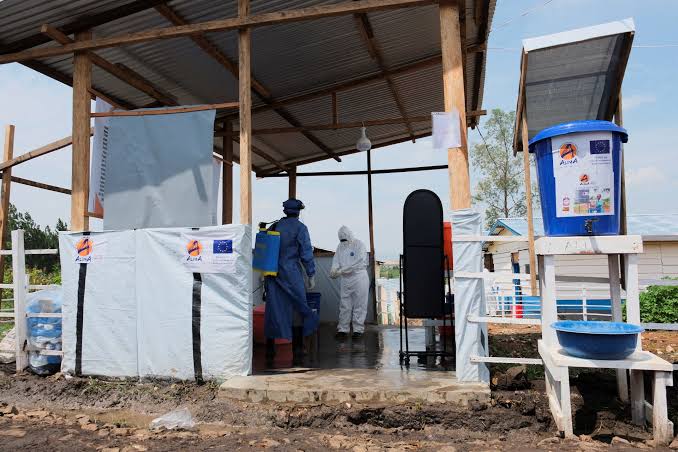
France has confirmed its first Ebola case linked to the ongoing outbreak in the Democratic Republic of Congo, prompting health authorities to launch extensive monitoring and containment measures to prevent any potential spread of the deadly virus.
According to the French Ministry of Health, the infected individual is a medical professional who recently returned from a humanitarian mission in one of the Ebola-affected regions of eastern Congo. The patient, whose identity has not been disclosed, was immediately placed under medical supervision upon arrival in France and transferred to a specialised treatment facility equipped to handle highly infectious diseases.
Officials stated that the patient remains in stable condition and that strict safety protocols were implemented from the moment of arrival. The transfer to hospital was conducted under carefully controlled conditions to eliminate any risk of transmission to the public or healthcare workers.
The case has raised concerns across Europe as Congo continues to battle one of its most serious Ebola outbreaks in recent years. Health authorities in Congo reported more than 1,090 confirmed infections and at least 277 confirmed deaths linked to the disease. Experts warn that the actual number of infections could be significantly higher, as many cases may still be undetected in remote or conflict-affected areas.
The outbreak, officially declared in May, is being driven by the rare Bundibugyo strain of the Ebola virus. Unlike some previous Ebola outbreaks, there are currently no approved vaccines or specific treatments available for this particular strain, making containment efforts considerably more challenging. Medical experts have warned that the epidemic may not yet have reached its peak and that additional cases could emerge in the coming weeks.
French authorities have emphasized that the situation remains under control. An extensive epidemiological investigation has been launched to identify anyone who may have come into contact with the infected patient during travel or after arrival in France. Individuals deemed at risk will be monitored closely and may be required to remain under home observation for up to 21 days, which corresponds to the maximum incubation period of the Ebola virus.
The French government has also alerted all relevant ministries, public health agencies and emergency response departments to ensure coordinated surveillance and preparedness measures. Authorities say hospitals and medical facilities across the country have been reminded of procedures for identifying and isolating suspected Ebola cases.

Meanwhile, health officials in Congo continue to struggle against the expanding outbreak. More than 100 patients have recovered, but hundreds remain hospitalized or in isolation centres. The concentration of cases in eastern Congo has stretched healthcare resources and complicated efforts to trace contacts and contain transmission.
While health experts stress that Ebola is not easily transmitted through casual contact, they continue to urge vigilance. The virus spreads through direct contact with bodily fluids of infected individuals and can cause severe illness with high fatality rates if not treated promptly.
France’s first confirmed Ebola case serves as a reminder of how quickly infectious diseases can cross borders in an interconnected world, underscoring the importance of international cooperation, rapid response systems and strong public health preparedness.




 English
 Gujarati
 Hindi
Hindi Kannada
 Malayalam
 Marathi
 Punjabi
 Tamil
Tamil Telugu