





 India
India

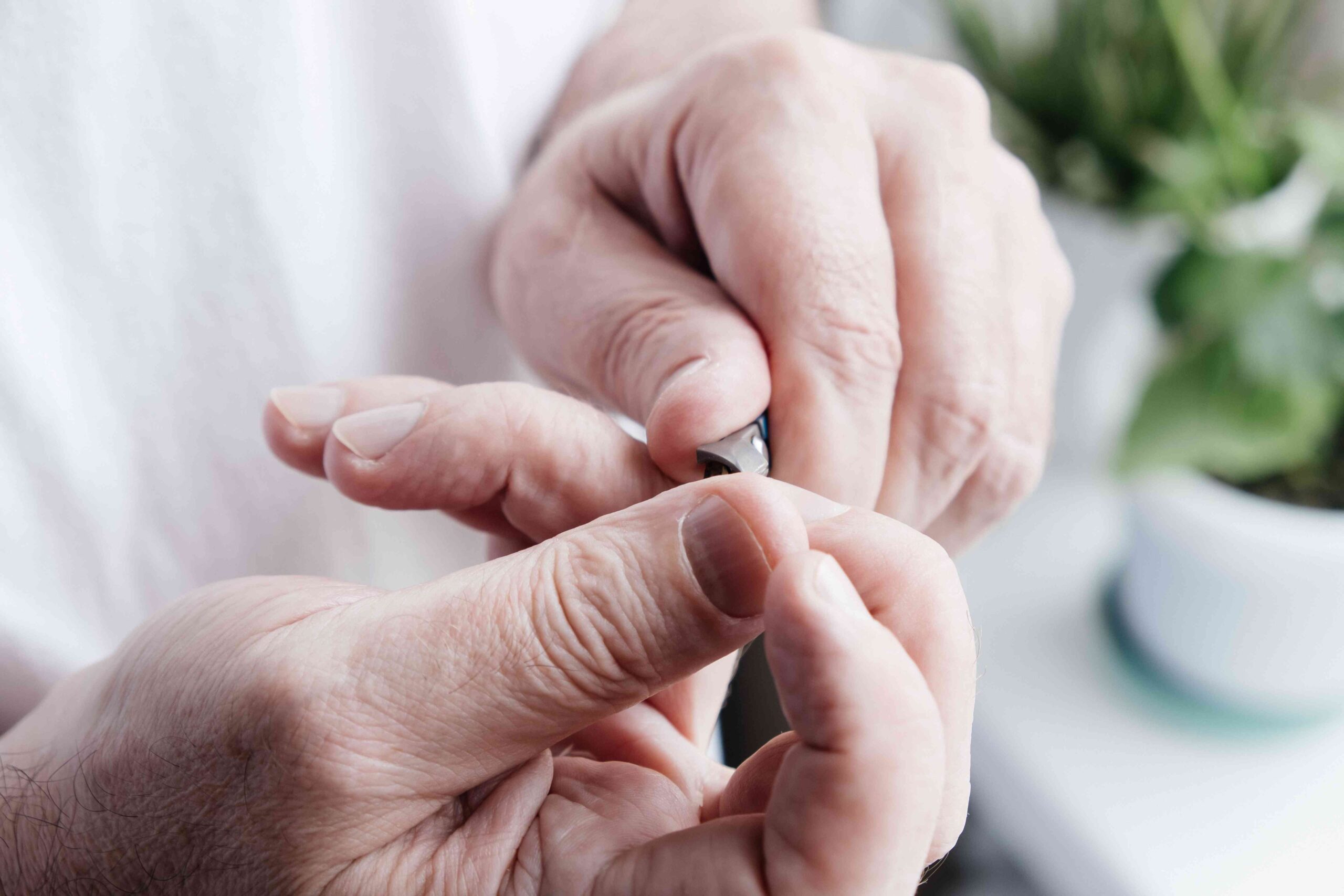
Long before illness becomes obvious, the body often sends out early warning signs that are easy to miss. Interestingly, some of these clues appear not on the face or in routine blood tests, but on the hands and nails. According to Dr Kunal Sood, an anaesthesiologist and interventional pain medicine physician, changes in nail shape, colour, or finger joints can sometimes indicate serious underlying or chronic health conditions, including psoriasis and arthritis.
In an Instagram video shared on December 9, Dr Sood outlined five visible hand and nail changes that should not be ignored, as they may help doctors identify diseases early and begin timely treatment.
One important sign is clubbing, where the fingertips appear rounded and the nails curve downward. Dr Sood explains that this happens when soft tissue enlarges due to growth factors reaching the fingertips. Clubbing can be linked to chronic lung diseases such as lung cancer, bronchiectasis, pulmonary fibrosis, cystic fibrosis, or heart conditions that cause long-term low oxygen levels, including congenital heart disease and endocarditis.
Another visible change is spoon-shaped nails, medically known as koilonychia. These thin, concave nails often indicate iron deficiency anaemia. Dr Sood notes that impaired keratin formation due to low iron levels can cause this change, which may appear months before other symptoms. Causes include blood loss, heavy menstrual bleeding, poor iron intake, malabsorption, or increased iron needs during pregnancy.
Red streaks under the nails, known as splinter haemorrhages, may result from minor trauma. However, Dr Sood warns that multiple streaks or those closer to the nail base could signal blood vessel inflammation associated with conditions like vasculitis, lupus, connective tissue disorders, or infective endocarditis.
Swollen finger joints are commonly associated with arthritis. These may indicate osteoarthritis caused by cartilage wear or inflammatory conditions such as rheumatoid or psoriatic arthritis. Since gout, injury, or metabolic issues can mimic arthritis, clinical evaluation and imaging are crucial.
Finally, nail pitting is a classic sign of psoriasis. Dr Sood explains that about one-third of people with psoriasis develop pits in their nails, especially with longer disease duration. Nail pitting may also be accompanied by thickening, discoloration, or nail separation and is frequently linked to psoriatic arthritis.







 English
 Gujarati
 Hindi
Hindi Kannada
 Malayalam
 Marathi
 Punjabi
 Tamil
Tamil Telugu