

 India
India

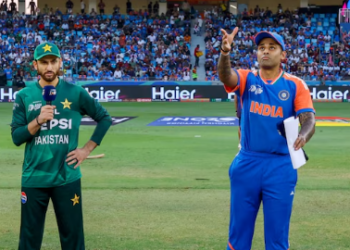
Amid the Asia Cup final between India and Pakistan, Gitanjali Angmo, wife of jailed Ladakh activist Sonam Wangchuk, has questioned the controversy surrounding her husband’s visit to Pakistan earlier this year. Speaking out on X, Angmo highlighted, “If India can play cricket with Pakistan, why can’t one of its heroes, Sonam Wangchuk, attend a UN conference there?”
Sonam Wangchuk, renowned innovator and activist, has been a prominent voice for Ladakh’s statehood and greater democratic rights for tribal regions. Currently detained in Jodhpur, Wangchuk faces charges under the stringent National Security Act (NSA) following violent protests in Leh on September 24, 2025. The government accused him of inciting unrest, a claim strongly contested by his supporters and family.
Angmo emphasized that Wangchuk’s visit to Pakistan in February 2025 was strictly professional, focused on climate change. She explained that the ‘Breathe Pakistan’ conference was organized by the United Nations’ Pakistan chapter in collaboration with Dawn Media and involved multinational cooperation. Organizations like ICIMOD and the Himalayan University Consortium were part of the initiative, aiming to address climate and environmental issues across the Hindu Kush region.
She further defended Wangchuk against claims of anti-national behavior, pointing out his advocacy for shelters for the Indian Army and his promotion of boycotting Chinese goods. Angmo also addressed accusations regarding Wangchuk’s remarks on Gen Z protests in Nepal and Bangladesh, clarifying that his statements were about nonviolent activism: “When governments are not responsive, it leads to a revolution. My husband merely pointed out that change can start with one individual, even with one’s own sacrifice.”
Wangchuk, who has long used hunger strikes and peaceful protests to voice concerns about Ladakh’s rights after the region lost its special status in 2019, had recently abandoned his hunger strike in disgust over the escalation of violence. Angmo criticized the government’s portrayal of the activist as a threat, asserting that he remains committed to peaceful advocacy for the people of Ladakh.
The controversy has reignited debates over freedom of expression, the application of the NSA, and India’s stance toward cross-border professional engagement, especially in the context of international climate initiatives.




 English
 Gujarati
 Hindi
Hindi Kannada
 Malayalam
 Marathi
 Punjabi
 Tamil
Tamil Telugu