



 India
India

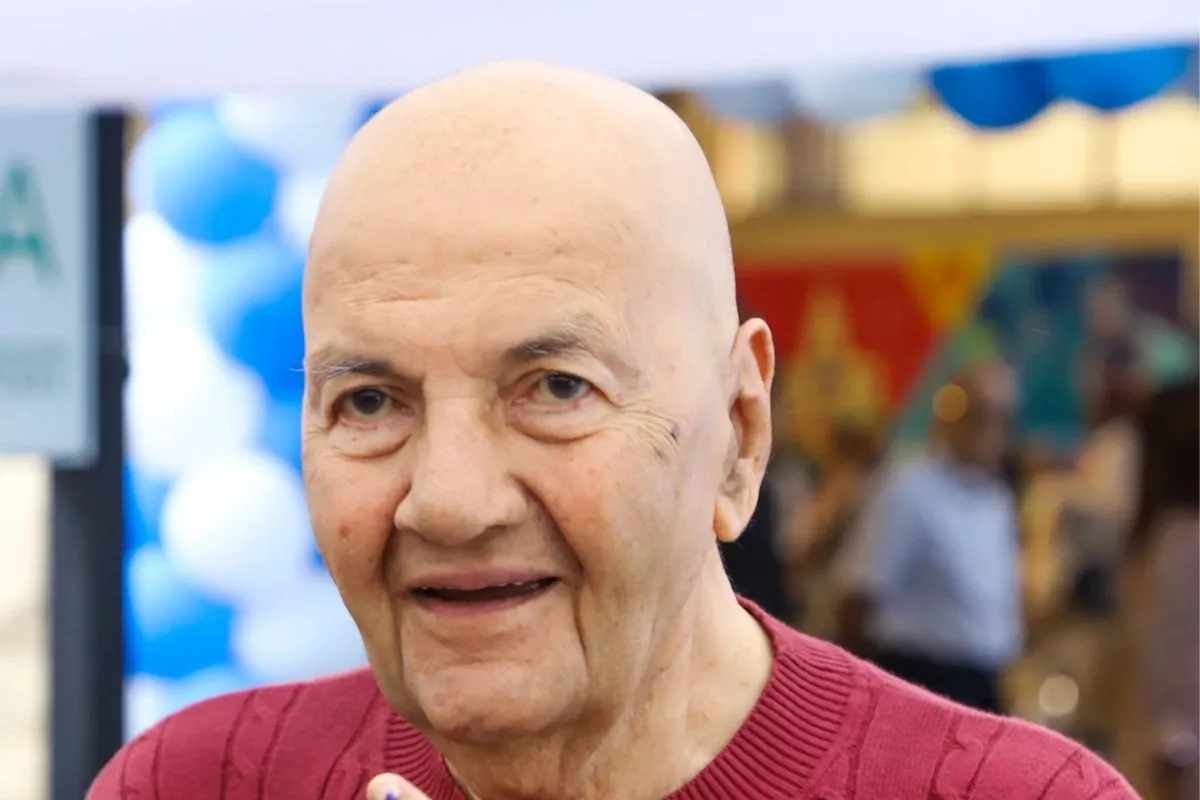
Veteran Bollywood actor Prem Chopra, 90, has undergone a Transcatheter Aortic Valve Implantation (TAVI) after being diagnosed with severe aortic stenosis, a serious but often silent heart condition. The update on his health was shared by his son-in-law, actor Sharman Joshi, bringing attention to a disease that largely affects older adults and can remain undetected for years.
Aortic stenosis occurs when the aortic valve — which controls blood flow from the heart to the rest of the body — becomes narrowed and stiff. According to Dr Abhijit Borse, Senior Interventional Cardiologist at the Asian Heart Institute, this narrowing restricts blood flow to the aorta, forcing the heart to work harder to pump blood. Over time, this excessive strain can weaken the heart muscle and lead to heart failure if left untreated.
The condition commonly develops with age due to calcium buildup on the valve leaflets. As these deposits harden, the valve loses flexibility and cannot open fully, reducing blood flow. Many patients do not experience symptoms in the early stages, making aortic stenosis particularly dangerous. The American Heart Association notes that people with mild to moderate disease may feel completely normal while the condition silently progresses.
Symptoms often appear only when the disease becomes severe. These include breathlessness, chest pain, fatigue, dizziness, or fainting. Studies, including reviews published in the New England Journal of Medicine, indicate that once symptoms develop, the risk of death increases rapidly if the valve is not replaced, underscoring the importance of timely diagnosis.
Doctors rely on imaging tests to detect and assess the severity of aortic stenosis. Transthoracic echocardiography is the primary diagnostic tool, helping measure valve area, blood flow velocity, and pressure gradients. Additional tests such as ECGs and chest X-rays may support clinical decisions.
For elderly and high-risk patients like Prem Chopra, TAVI has emerged as a game-changing treatment. Unlike traditional open-heart surgery, TAVI is minimally invasive and involves replacing the damaged valve through a blood vessel, usually in the leg. Dr Maulik Parekh, Structural Cardiologist at Sir H N Reliance Foundation Hospital, says the procedure allows for quicker recovery, less discomfort, and shorter hospital stays, helping older patients maintain a better quality of life.






 English
 Gujarati
 Hindi
Hindi Kannada
 Malayalam
 Marathi
 Punjabi
 Tamil
Tamil Telugu