




 India
India

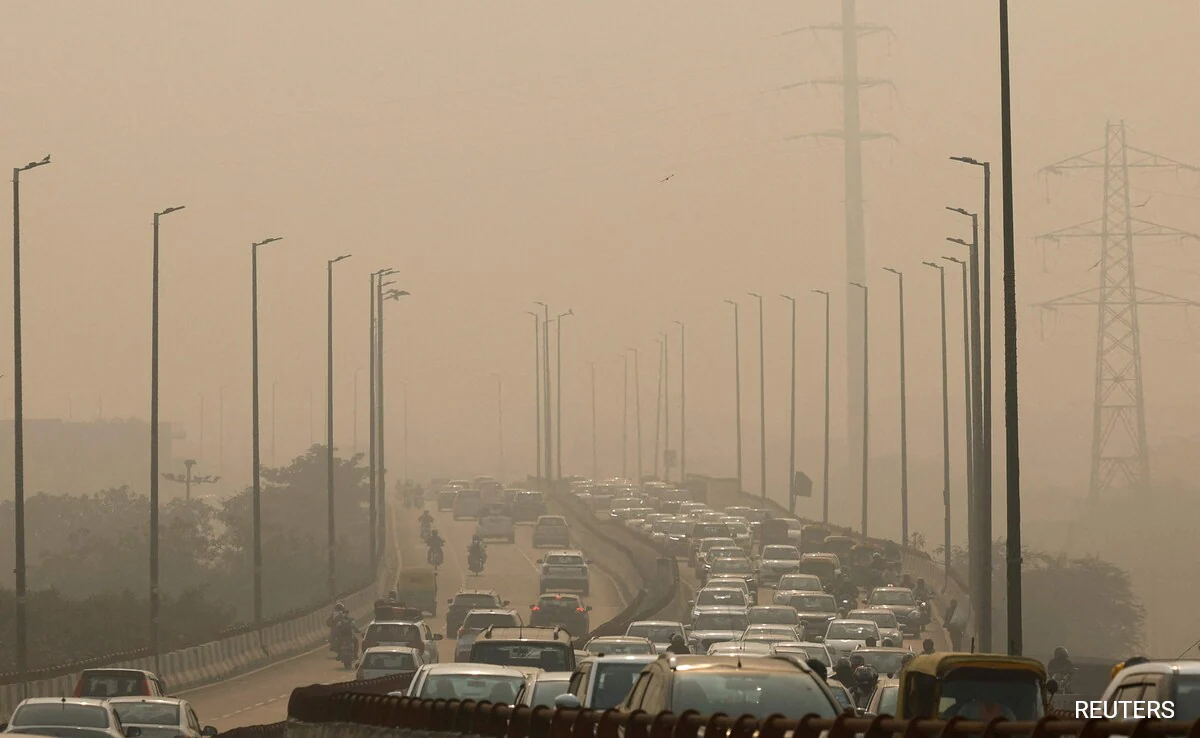
Delhi residents are once again grappling with poor air quality, with the Air Quality Index (AQI) crossing 350 on November 8, entering the ‘very poor’ category. Despite this, Stage 3 measures under the Graded Response Action Plan (GRAP), designed for ‘severe’ pollution, have not yet been implemented.
Currently, Stage 2 of GRAP is active, imposed on October 19 after AQI first surpassed 300, just days after Stage 1 was triggered at 200. Since then, AQI has repeatedly breached 350, raising questions about the delay in escalating measures. Stage 3 typically includes strict restrictions on older petrol (BS-III) and diesel (BS-IV) vehicles, hybrid schooling for Classes 1–5, and work-from-home advisories.
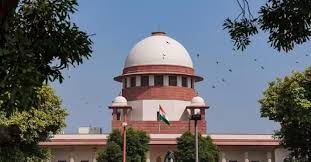
The Supreme Court had revised GRAP thresholds in December 2024, lowering Stage 3 to AQI 350 and Stage 4 to AQI 400. However, authorities have not activated Stage 3 despite reaching the threshold. An official, speaking anonymously, explained that the revised GRAP reclassified some Stage 3 measures into Stage 2, making Stage 2 stricter and more comprehensive. These include daily mechanical road sweeping, water sprinkling, restrictions on diesel generators, enhanced public transport services, and bans on certain inter-state buses.
With these measures already in effect under Stage 2, the Commission for Air Quality Management (CAQM) decided to maintain the original Stage 3 and 4 thresholds at AQI 400 and 450, respectively. Experts have criticized this approach as reactive rather than preventive. Sunil Dahiya, founder of Envirocatalysts, emphasized that forecasting pollution spikes and acting before AQI reaches 350 would better protect public health. Former CPCB laboratory head Dipankar Saha noted that residents are exposed to hazardous pollution levels by the time air quality reaches the ‘severe’ category.
Forecasts suggest Delhi’s AQI could reach the ‘severe’ stage by November 9, intensifying health risks. GRAP’s staged approach begins at Stage 1 for ‘poor’ air quality (AQI 201–300) with construction and fire restrictions, Stage 2 adds vehicle and public transport measures, while Stage 3 and 4 impose stricter vehicle bans and hybrid schooling. Despite current AQI levels, authorities are relying on Stage 2 measures, leaving residents exposed as pollution worsens.




 English
 Gujarati
 Hindi
Hindi Kannada
 Malayalam
 Marathi
 Punjabi
 Tamil
Tamil Telugu