





 India
India

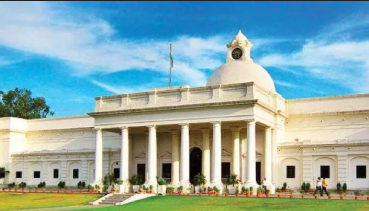
A new study conducted by the Indian Institute of Technology (IIT) Roorkee has identified a significant shift in the behavior of Western Disturbances (WDs), the crucial weather systems responsible for winter rainfall and snowfall across the Himalayan region. The findings raise fresh concerns about climate resilience, disaster preparedness and long-term water security in northern India.
Published in the International Journal of Climatology, the research reveals that western disturbances are no longer limited primarily to the winter season. Instead, they are increasingly active during the pre-monsoon months of March to May, marking a fundamental change in their seasonal pattern.
Traditionally, WDs have played a vital role in delivering winter precipitation to the Himalayas, replenishing glaciers and sustaining river systems that support millions downstream. However, the new study indicates that these systems are now extending beyond their conventional winter window, intensifying rainfall during periods when the region is particularly vulnerable.
According to researchers, this seasonal shift significantly heightens the risk of flash floods, landslides and extreme rainfall events in the ecologically fragile Himalayan terrain. It also disrupts the long-established balance of seasonal precipitation, potentially affecting long-term water availability in downstream states.
Lead principal investigator Ankit Agarwal from IIT Roorkee’s Department of Hydrology said the analysis demonstrates “significant seasonal and structural changes” in western disturbances, particularly during the pre-monsoon period. He noted that these changes have far-reaching implications for water resources management, extreme weather patterns and disaster vulnerability across the Himalayan belt and adjoining regions.
The research team analyzed more than 70 years of atmospheric and rainfall data to track long-term trends. Their findings show that western disturbances are now traveling longer distances, accumulating more moisture and interacting with stronger upper-level winds. These combined factors are contributing to higher precipitation intensity outside the traditional winter season.
PhD scholar Spandita Mitra, who was part of the research team, pointed out that the growing frequency of erratic rainfall and sudden extreme weather events observed in recent years reflects these broader atmospheric shifts. She cited major disasters such as the 2023 Himachal Pradesh floods and the 2025 Uttarakhand floods as examples of how western disturbances are influencing weather patterns even during the monsoon season.

The study emphasizes that climate warming is not only intensifying extreme events but also reshaping the timing and structure of large-scale atmospheric systems. Researchers have called for urgent revisions in climate modeling, forecasting frameworks and disaster management strategies, particularly for Himalayan states that face increasing climate-related risks.
IIT Roorkee Director K K Pant underlined the policy importance of the findings, stating that scientific evidence of this nature is crucial for planning climate resilience in sensitive mountain ecosystems. He added that such research strengthens the institute’s commitment to advancing climate science that informs preparedness and policymaking.
With western disturbances evolving beyond their traditional role, experts warn that adapting to this new climate reality will be essential to safeguarding lives, infrastructure and water security across northern India.






 English
 Gujarati
 Hindi
Hindi Kannada
 Malayalam
 Marathi
 Punjabi
 Tamil
Tamil Telugu