


 India
India

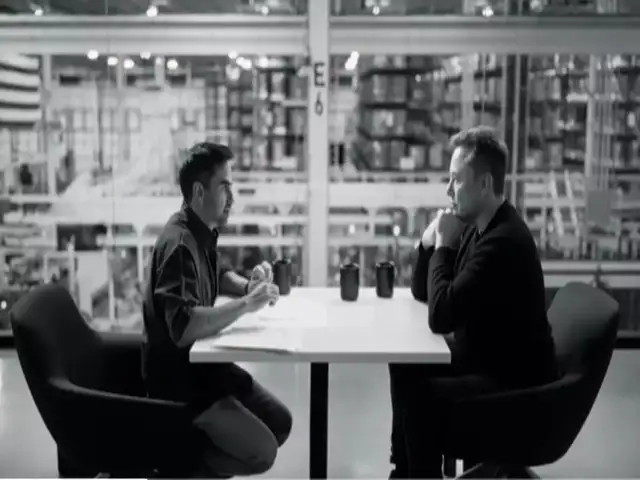
Elon Musk believes the United States owes a significant share of its technological rise to Indian talent—and he wants his next big leap, Starlink, to be rooted in India as well. In a candid conversation with Indian entrepreneur Nikhil Kamath, the Tesla and SpaceX chief touched on immigration, the future of work, AI upheavals, and India’s rural-urban digital divide, offering a blend of optimism and caution about what lies ahead.
The interview, released as a long-form podcast on Sunday, saw Kamath guide the discussion through India-centric themes. When asked whether India would mirror China’s rapid urbanisation or follow a different trajectory, Musk admitted that the country’s evolving pattern was hard to predict. He reflected on how the pandemic disrupted traditional migration to large cities, then argued that advanced AI and robotics could fundamentally change why people cluster around urban centres.
“In the future it won’t be necessary to be in a city for a job,” Musk said, before going further: “My prediction is in the future working will be optional… in less than 20 years.” He described a world where labour becomes more of a choice, even a hobby, as technology takes over repetitive and essential tasks.
The conversation then turned to Indian professionals in the US, a subject many in India refer to as “brain drain”. Musk pushed back against the negative framing. “America has benefited immensely from talented Indians that have come to America,” he said, stressing that Indian engineers, doctors, and innovators have had an outsized impact on the American economy and tech ecosystem.
He also compared immigration approaches under recent US administrations, criticising the Biden-era border situation while acknowledging that the H-1B visa programme—despite misuse by some outsourcing firms—remains vital. Shutting it down, he warned, “would actually be very bad.”
On Starlink, Musk was emphatic that India could be one of its most meaningful markets. The satellite internet system, he explained, is inherently designed for countries with vast rural populations. “It basically tends to serve the least served,” he said, noting that satellite beams face physical constraints in dense metropolitan areas where ground-based telecom towers have a natural advantage. But in remote districts—where connectivity is unreliable or unaffordable—Starlink could transform access, especially during disasters when terrestrial infrastructure collapses.
As millions of young Indian entrepreneurs tuned in, Kamath asked what Musk would want to tell them. His message was simple: focus on creating value. “Aim to make more than you take. Be a net contributor to society,” he said, adding that financial success inevitably follows those who build useful products and services.

Describing AI as a “supersonic tsunami” that will reshape human life, Musk encouraged young Indians to keep learning broadly, whether through college or self-driven exploration. But his parting thought was clear: in the world ahead, purpose—not necessity—will define why people work.

 English
 Gujarati
 Hindi
Hindi Kannada
 Malayalam
 Marathi
 Punjabi
 Tamil
Tamil Telugu