



 India
India

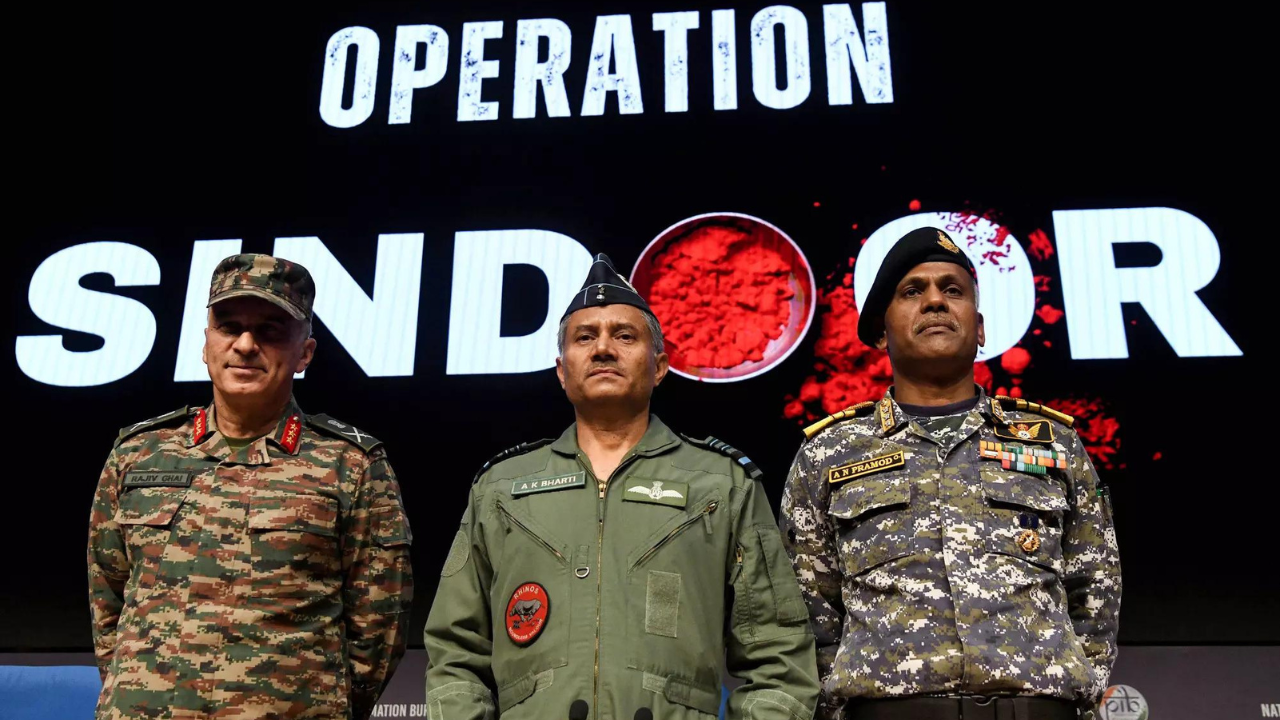
The visit of Major General Yousef Maayouf Saeed Al Hallami, Commander of the United Arab Emirates (UAE) Land Forces, to India carries significant strategic shock value, coming at a time when New Delhi’s Operation Sindoor has become a symbol of India’s assertive military posture and indigenous defence capability. The fact that the UAE commander was given a detailed briefing on this classified military operation underscores the growing trust and intelligence-sharing dimension between the two nations.
Operation Sindoor, widely seen as a decisive military campaign showcasing India’s readiness to counter regional threats, has elevated the country’s image as a capable defence power. For the UAE—a key player in the Gulf’s shifting security architecture—aligning more closely with India signals a pivot toward stronger Asian security cooperation, reducing dependence on traditional Western partners.
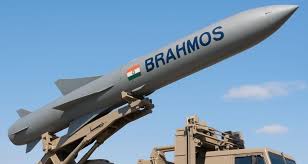
The ceremonial reception, combined with detailed interactions with the Indian Army Design Bureau, DRDO, and senior defence officials, suggests that the engagement goes beyond symbolic diplomacy. The UAE’s interest in India’s AI-driven defence roadmap and indigenous weapon platforms marks a convergence of strategic and technological ambitions.
The visit’s timing also reflects the UAE’s recognition of India’s growing regional clout and operational credibility post-Sindoor. For India, the outreach reinforces its image as a trusted defence partner in West Asia, vital for intelligence, logistics, and future joint exercises.
By being briefed on an operation like Sindoor, a foreign commander entering this level of access sends a strong geopolitical signal — that India’s defence diplomacy is maturing, confident, and increasingly influential across regions once dominated by Western and Chinese interests.




 English
 Gujarati
 Hindi
Hindi Kannada
 Malayalam
 Marathi
 Punjabi
 Tamil
Tamil Telugu