

 India
India

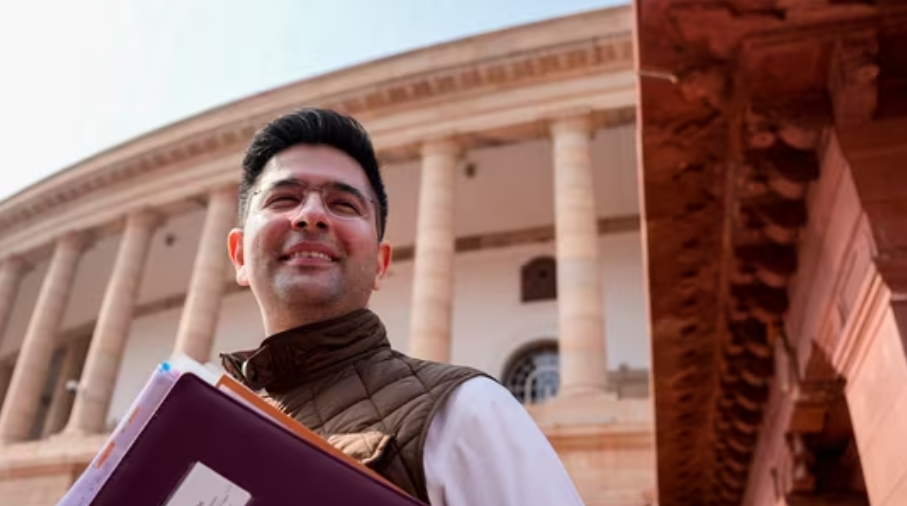
In a debate during the Budget session of Parliament on February 11, 2026, Aam Aadmi Party (AAP) Rajya Sabha MP Raghav Chadha made a strong pitch for introducing a Right to Recall system in India’s parliamentary democracy. He underlined that while citizens currently have the power to elect their representatives, they lack a direct mechanism to remove them mid-term if they fail to perform or lose public trust.
Chadha argued that holding a legislator accountable should not end at the ballot box. “If we can impeach the President, the Vice President and judges, and move a no-confidence motion against an elected government mid-term, then why should voters be forced to tolerate a non-performing MP or MLA for five full years?” he said, stressing this would act as a form of insurance for democracy.
What does the Right to Recall mean?
The Right to Recall is a democratic mechanism that allows voters to de-elect an elected representative before the completion of their term. Under this proposal, if a significant section of constituents is dissatisfied with the performance of their MP or MLA, they could initiate a formal recall process. This typically begins with a petition signed by a threshold share of registered voters, followed by a recall vote. If a majority supports the removal in this vote, the representative is effectively “recalled” from office.
Chadha suggested several safeguards to prevent misuse of this provision. These include:
A minimum performance period (he proposed 18 months) before any recall attempt can begin.
A verified petition backed by at least 35–40% of registered voters to trigger a recall vote.
Grounds for recall limited to proven misconduct, fraud, corruption or serious neglect of duty.
A final recall vote requiring more than 50% voter support in the constituency to remove the representative.
In India, a form of recall already exists at the local body level — for instance, for gram panchayat representatives in states such as Karnataka, Rajasthan, Madhya Pradesh and Maharashtra — but no such mechanism currently applies to Members of Parliament (MPs) or Members of Legislative Assemblies (MLAs).
How many countries have recall provisions?
Chadha pointed out that over 24 democracies around the world incorporate some form of recall or voter-initiated removal mechanism at various levels of government. Examples include:
United States (many states allow recall of state officials; e.g., California recall elections)
Canada (notably in British Columbia at the provincial level)
Switzerland (certain cantons have recall procedures)
Venezuela
Mexico
Japan
Germany (in several Länder)
Latvia and others.
However, the nature and level of recall powers differ widely — in some countries, it applies only at the local or state level rather than to national legislators.

Chadha’s proposal has triggered discussion and debate in Parliament on strengthening the accountability of public representatives, with supporters viewing it as a step toward more responsive governance and critics raising concerns about potential political instability or misuse.
 English
 Gujarati
 Hindi
Hindi Kannada
 Malayalam
 Marathi
 Punjabi
 Tamil
Tamil Telugu