


 India
India

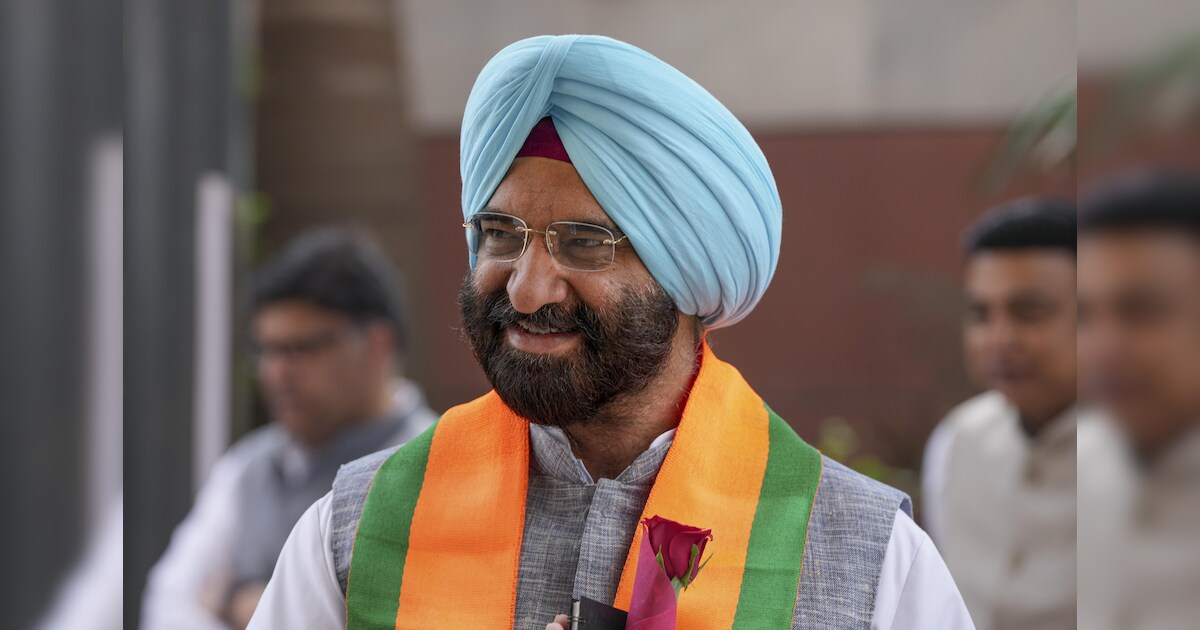
The Delhi government has announced a significant tightening of its anti-pollution measures, making two key restrictions under the Graded Response Action Plan (GRAP)-4 permanent, regardless of fluctuations in air quality levels. Environment minister Manjinder Singh Sirsa said on Friday that petrol will no longer be sold to vehicles without a valid Pollution Under Control Certificate (PUCC), and that non-BS6 vehicles entering Delhi from outside the city will continue to face restrictions indefinitely.
Speaking to reporters, Sirsa made it clear that the decision marks a shift from temporary emergency measures to long-term enforcement aimed at reducing vehicular emissions, one of the biggest contributors to Delhi’s chronic air pollution problem. “You will not get petrol anywhere without a PUCC certificate until further orders,” the minister said, underlining the government’s zero-tolerance approach towards non-compliant vehicles.
The move follows a cabinet decision taken earlier this week under the leadership of Delhi chief minister Rekha Gupta. The cabinet resolved to formalise the two GRAP-4 measures as permanent policies, making it compulsory for all vehicle owners to maintain a valid PUCC, irrespective of the prevailing Air Quality Index (AQI). The government had already notified the decision, signalling that the curbs would continue even when pollution levels temporarily improve.
Under the second permanent restriction, vehicles entering Delhi from neighbouring states that do not meet Bharat Stage VI (BS6) emission standards will not be allowed into the capital. Sirsa said this rule would apply until further orders, effectively discouraging the entry of older, more polluting vehicles into the city. “Vehicles from outside Delhi that are below Bharat Stage VI (BS6) will also face restrictions on entering Delhi,” he said, as quoted by PTI.
Officials said the policy is designed to act as a long-term compliance mechanism rather than a short-term response to pollution spikes. According to the environment department, ensuring that vehicles are regularly tested for emissions and preventing high-polluting vehicles from entering the city could significantly cut harmful emissions over time.
Sirsa has repeatedly stressed that vehicular pollution remains a major factor behind Delhi’s poor air quality. In a strong remark earlier, he said that driving a vehicle without a valid PUCC was “no less than committing a crime against Delhi’s air,” reflecting the government’s increasingly hard stance on environmental violations.
The announcement comes as Delhi continues to grapple with deteriorating air quality. On Saturday, the city’s air remained in the ‘very poor’ category for the second consecutive day, with the average AQI recorded at 391 at 10 pm. Earlier in the week, air quality had slipped into the ‘severe’ category on December 23 before briefly improving to ‘poor’ levels on Wednesday, when the average AQI stood at 271. However, pollution levels worsened again by Friday, prompting concerns over sustained exposure to unhealthy air.

With these measures now permanent, the Delhi government hopes to enforce stricter accountability among vehicle owners and achieve sustained reductions in pollution, even beyond the winter months when smog typically peaks.


 English
 Gujarati
 Hindi
Hindi Kannada
 Malayalam
 Marathi
 Punjabi
 Tamil
Tamil Telugu